





What Exactly is a Micro-Fulfillment Center?
Think of a micro-fulfillment center (MFC) as a miniature, hyper-efficient warehouse strategically placed within a city or town, not on its outskirts. Covering just 3,000 to 10,000 square feet, these facilities are a fraction of the size of traditional
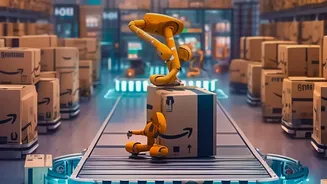
warehouses. Their purpose is simple: to store a limited range of high-demand products closer to customers. Often called 'dark stores' because they are not open to the public, these hubs are designed purely for speed. By using automation and streamlined packing processes, they can turn an online order into a ready-to-ship package in minutes, forming the backbone of the quick commerce model that promises delivery within an hour.
Why the Focus on Tier 2 Towns?
For years, the fastest delivery speeds were reserved for metros like Bengaluru and Mumbai. Now, the strategic focus is shifting to cities like Nagpur, Lucknow, Jaipur, and Coimbatore. Several factors are driving this expansion. Firstly, the e-commerce boom has created a massive new customer base in these cities, with shoppers who are now accustomed to online buying and expect faster service. Secondly, the operational economics are often more favorable. Real estate for setting up an MFC is significantly cheaper than in a Tier 1 city, and there is often less competition for a stable workforce. Finally, improved digital infrastructure and logistics networks have made it more viable for companies to offer consistent, reliable service in these emerging economic hubs.
A New Engine for Local Job Creation
The most significant impact of this trend is on local employment. The rise of quick commerce and its reliance on MFCs creates far more jobs per rupee of revenue than traditional e-commerce. While delivery partners are the most visible new role, these centers require a diverse range of employees. Job listings in Tier 2 cities now frequently include positions like warehouse managers, inventory specialists, operations executives, logistics coordinators, and pick-and-pack staff. This creates a spectrum of opportunities for both skilled and unskilled workers, deviating from the typical 9-to-5 and offering flexible employment. As companies scale up for festive seasons, this hiring can surge dramatically, with some platforms increasing their workforce by up to 60% to meet demand.
More Than Just Delivery Jobs
The staffing needs of a modern MFC go beyond manual labor. As these centers become more technologically advanced, there is a growing demand for tech-savvy workers. New roles are emerging for professionals who can manage warehouse management systems, supervise automated packing equipment, and handle AI-powered systems that optimize everything from vehicle routing to worker allocation. This infusion of technology-focused jobs provides new career paths and contributes to upskilling the local workforce. The growth in the logistics and e-commerce sectors is a major driver of India's overall hiring surge, with many of these new opportunities materializing in non-metro regions.
Challenges and the Road Ahead
Despite the rapid growth, the expansion into Tier 2 cities is not without challenges. Companies must navigate varying levels of local infrastructure, manage complex supply chains to keep these hubs stocked, and compete for skilled talent. The long-term profitability of the 10-minute delivery model is still under scrutiny, as companies often absorb the high operational costs to stay competitive. However, the trajectory is clear. The future of retail in India is hyper-local and incredibly fast. This shift is fundamentally re-engineering the supply chain around customer expectations for speed and convenience, a trend that is set to strengthen local economies and redefine the job market in dozens of cities across the country.