







A Growing Appetite for Authenticity
There's a significant shift happening in how people travel, and food is at the heart of it. A recent report revealed that nearly 40% of Indian travellers now consider food and local cuisine a major factor when planning trips. This trend, often called
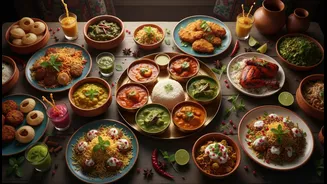
culinary or gastronomic tourism, is moving beyond just fine dining. It's about seeking genuine, immersive experiences that connect travellers to the heart of a place. Instead of a generic menu, tourists are craving the story behind the food—the regional traditions, the family recipes, and the fresh, local ingredients. This desire for authenticity is driving travellers away from predictable tourist traps and into the vibrant, sensory world of local food culture.
From Monuments to Markets
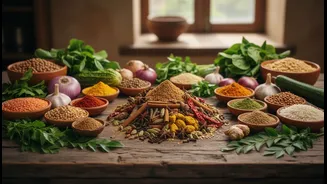
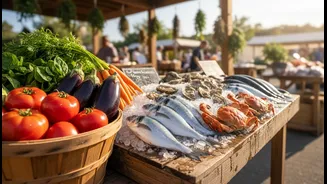
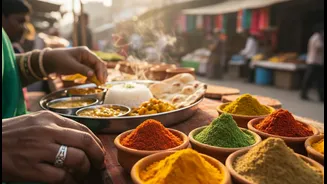
Local markets in India have always been the pulsating heart of community life, but they are now becoming essential tourist destinations. For many visitors, a walk through a market like Chandni Chowk in Delhi or Sardar Market in Jodhpur is a cultural experience in itself. These are not just places to shop; they are living museums of tradition where one can interact with artisans, taste regional street food, and see daily life unfold. Tour companies now offer guided walks through spice markets, flower markets, and bustling bazaars, recognizing that these excursions offer a deeper connection to a city's soul than many traditional attractions. Travellers get to see, smell, and taste the ingredients that form the foundation of the local cuisine, making it an educational and unforgettable part of their journey.
The Rise of the Home-Kitchen Experience
Perhaps the most significant aspect of this trend is the growing popularity of home-cooking experiences. Across the country, from urban apartments in Mumbai to traditional homes in Kerala, families are opening their kitchens to visitors. These are not formal cooking classes but intimate sessions where guests learn to prepare authentic dishes alongside their hosts. It’s an opportunity to understand the nuances of regional cooking that are rarely found in restaurants, from the specific way vegetables are cut to the secret family spice blend. Guests often share the meal with the family afterward, turning a simple cooking lesson into a powerful cultural exchange. Platforms and local tour operators now list hundreds of these experiences, connecting curious travellers with passionate home cooks.
The Economic and Cultural Recipe
This shift towards culinary tourism is cooking up significant economic and social benefits. It empowers local communities by creating new income streams, particularly for home cooks and small-scale farmers. By creating demand for regional specialties and farm-fresh produce, agritourism and food tourism help preserve agricultural heritage and traditional practices. Experts note that food tourism stimulates local economies, supports small businesses, and fosters sustainable development. It also plays a crucial role in preserving cultural identity, as the stories and traditions behind the food are passed on to a new and appreciative audience. Some states are actively promoting their culinary identities, recognizing that a region's unique flavours can be a powerful tool for branding and economic growth.
A More Meaningful Way to Travel
Ultimately, the pull of markets and home-style cooking reflects a deeper change in what people seek from travel. The focus is moving from passive observation to active participation. Influenced by social media and a global interest in food culture, younger travellers especially are seeking out these unique, story-rich experiences. They want to return home not just with photographs, but with new skills, new friends, and a genuine understanding of the place they visited. This trend suggests a future for tourism that is more personal, more sustainable, and far more delicious. It’s about recognizing that sometimes the most memorable part of a journey isn't a monument, but a shared meal.