






The Truth Behind the 'Instant Fix'
Let's be clear from the start: the idea that any single activity can 'instantly correct' long-standing postural issues is, unfortunately, a myth. Posture is a complex result of muscle strength, flexibility, and ingrained habits developed over years. A
hunched back or a swayed pelvis isn't something that can be undone in a few minutes, any more than you can build a six-pack with one sit-up. However, the headline contains a kernel of truth. The act of walking barefoot, while not an instant cure, is a powerful tool that can set you on the right path toward better posture by fundamentally changing how you connect with the ground beneath you.
Waking Up Your Feet
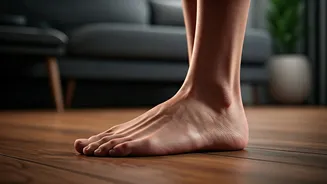
Think of your feet as the foundation of your body. When you wear cushioned, supportive shoes all day, you are essentially putting that foundation in a cast. The small, intrinsic muscles within your feet and ankles don't have to work very hard. Walking barefoot changes this immediately. The soles of your feet are packed with nerve endings that provide your brain with a rich stream of information about the texture and shape of the ground—a process called proprioception. This sensory data helps your body make micro-adjustments in real-time, improving your balance and stability. Your foot muscles, from your toes to your arch, have to engage and fire in ways they simply don’t in shoes, beginning the process of rebuilding strength from the ground up.
The Foot-to-Spine Connection
Your body is a kinetic chain, meaning that movement and alignment in one part directly affect others. When your feet are weak or dysfunctional, the effects ripple upwards. Weak arches can cause your ankles to roll inward, which in turn can rotate your knees and misalign your hips. This hip misalignment often leads to compensation in the lower back and spine, contributing to the poor posture, aches, and pains so many of us experience. By strengthening your feet through barefoot walking, you are creating a more stable and aligned foundation. A stronger base allows your ankles, knees, and hips to stack more efficiently, reducing the strain on your spine and encouraging a more upright, natural posture over time.
From 'Strolling' to a Sustainable Habit
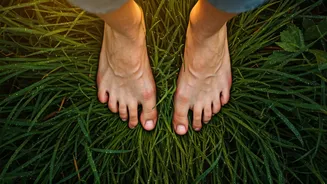
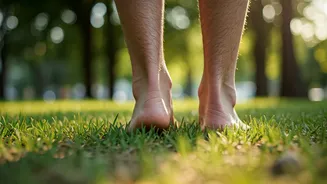
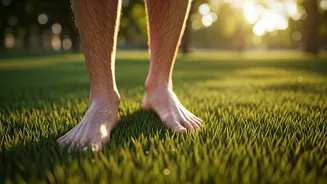
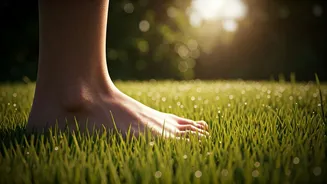
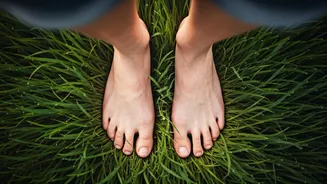
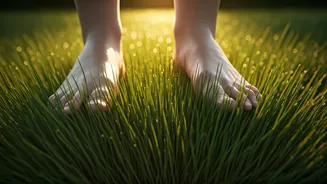
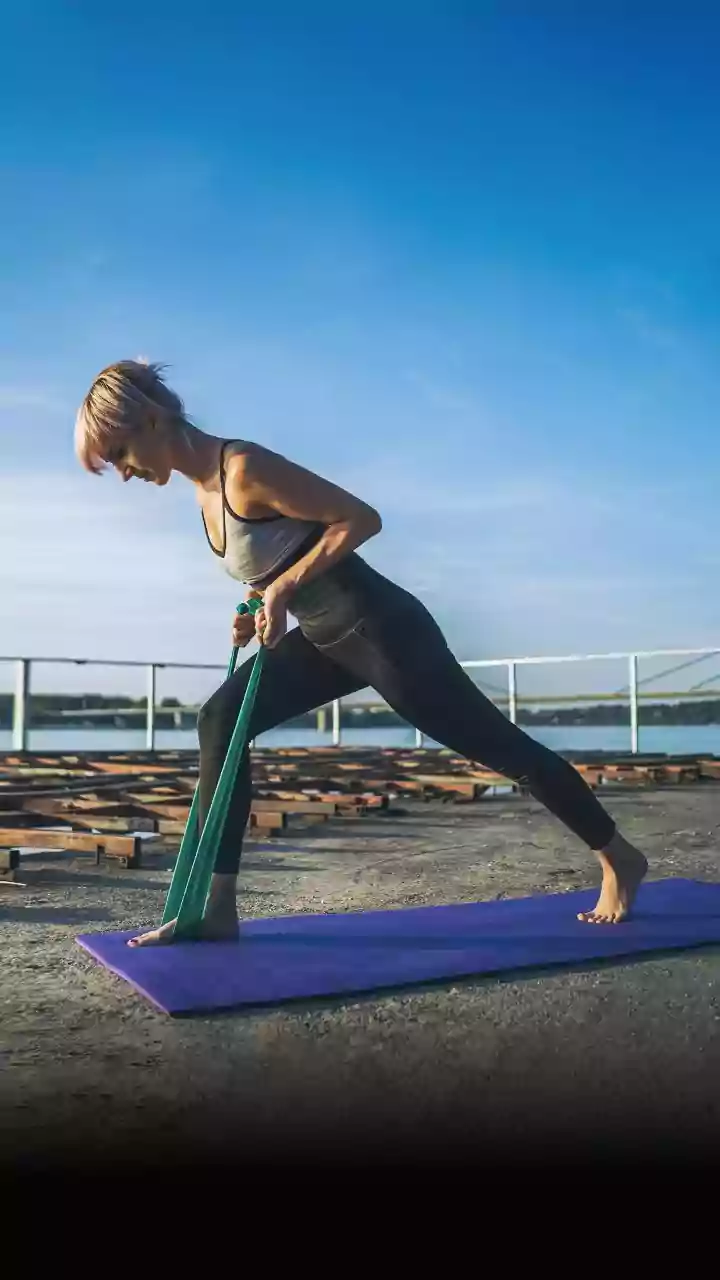
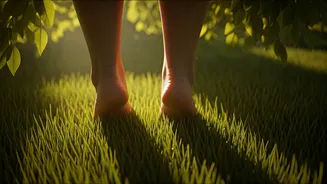
So, while a five-minute stroll won't instantly transform your posture, it does offer an immediate change in feedback and muscle activation. The 'correction' happens not in that moment, but gradually, as you consistently incorporate barefoot time into your routine. This isn't about ditching your shoes forever. It's about strategically giving your feet the freedom to function as they were designed. The benefits of improved proprioception and foot strength are cumulative. What starts as a five-minute walk on the grass in your garden can become a foundational practice that supports all other efforts to improve your posture, from targeted exercises to ergonomic adjustments at your desk.
How to Start Safely
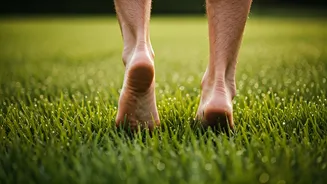
Ready to give it a try? Start slow and be smart. If you've spent your life in supportive shoes, your feet will need time to adapt. Begin by walking barefoot indoors on safe, clean surfaces like carpet or wood floors. Progress to short, mindful walks on soft, natural surfaces like grass or sand. Pay attention to how your foot strikes the ground—you're more likely to land on the midfoot or forefoot rather than heel-striking, which is a gentler way to move. Always be aware of your surroundings to avoid stepping on sharp objects. Listen to your body; if you feel any sharp pain, stop. The goal is to gently reawaken your feet, not to injure them.