





The Climate-Kitchen Connection
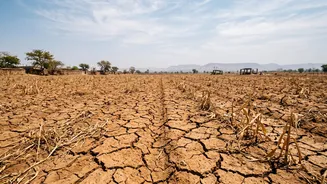
This year's monsoon season has been weaker than usual, creating a rainfall deficit that is stressing key crops. As of early September, forecasts predict below-normal precipitation, which impacts soil moisture necessary for staples like rice, soybeans,
and sugarcane. This isn't just a problem for farmers; it has a direct ripple effect on urban and rural households alike. Lower crop yields mean reduced supply, and when demand remains high, prices inevitably climb. The Reserve Bank of India and the Finance Ministry have both noted that erratic weather, influenced by El Niño conditions, poses a significant risk to food inflation.
Which Foods Are Most Affected?
The impact isn't uniform across the grocery basket. Reports indicate that rainfall-sensitive crops are the most vulnerable. This includes rice, with production potentially falling by around 4.5%, and corn by over 9%. Pulses, edible oils, and certain vegetables are also under pressure. Onion prices, for example, have remained elevated due to damage to stored crops from unseasonal rains earlier in the year. As festive season demand for items like milk, oil, and sugar approaches, this supply-side strain could become even more pronounced.
Plan Your Meals, Master Your List
The single most effective strategy to combat rising costs is planning. Before you go shopping, plan your meals for the week. This allows you to create a precise shopping list of what you actually need, drastically reducing impulse buys that inflate your bill. Sticking strictly to your list is a disciplined habit that pays off. For even better results, take a quick inventory of your pantry and fridge before making the list to avoid buying things you already have. This simple act minimizes food waste, which is essentially throwing money away.
Shop Smart: Seasonal, Local, and Bulk
Where and how you shop matters. Prioritise buying seasonal fruits and vegetables, as they are generally cheaper, fresher, and more nutritious. Visiting your local mandi or farmers' market can often get you better prices than supermarkets for fresh produce. For non-perishable staples like rice, dal, and flour, buying in bulk can lead to significant long-term savings. The per-unit cost is almost always lower on larger packs. However, be cautious during sales; buy only what you will use to avoid falling into the trap of overspending on supposed deals.
Rethink What's on Your Plate
A flexible menu can be a powerful budget tool. If a particular vegetable becomes too expensive, don't hesitate to substitute it with a cheaper, seasonal alternative. Incorporating more affordable staples like millets (bajra, jowar) and a variety of dals can also help stretch your budget while maintaining nutrition. Planning a few legume-based meals each week is a cost-effective way to get protein. Furthermore, cutting down on packaged and processed foods like biscuits and instant noodles not only saves money but is also healthier. Preparing snacks at home is a cheaper and more wholesome alternative.
Waste Not, Want Not
An estimated 40-50 kg of food is wasted per person per year in Indian households. Reducing this figure is a direct way to save money. Embrace a “root-to-stem” approach in your cooking, using parts of vegetables that are often discarded. Get creative with leftovers; today's dal can be used as a filling for parathas tomorrow. Proper storage of produce can extend its life and prevent spoilage. Also, paying attention to expiration dates helps ensure you use up items before they go bad, getting the most value out of every purchase.