


Why Visit Himachal in the Monsoon?
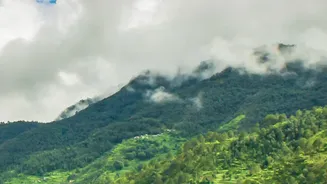
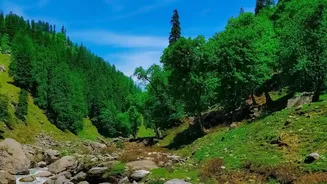
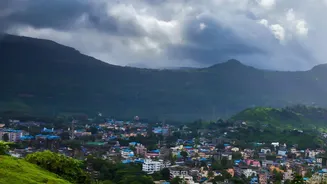
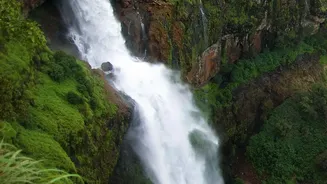
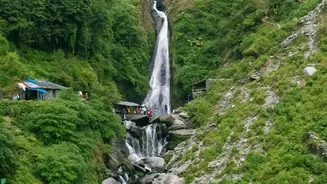
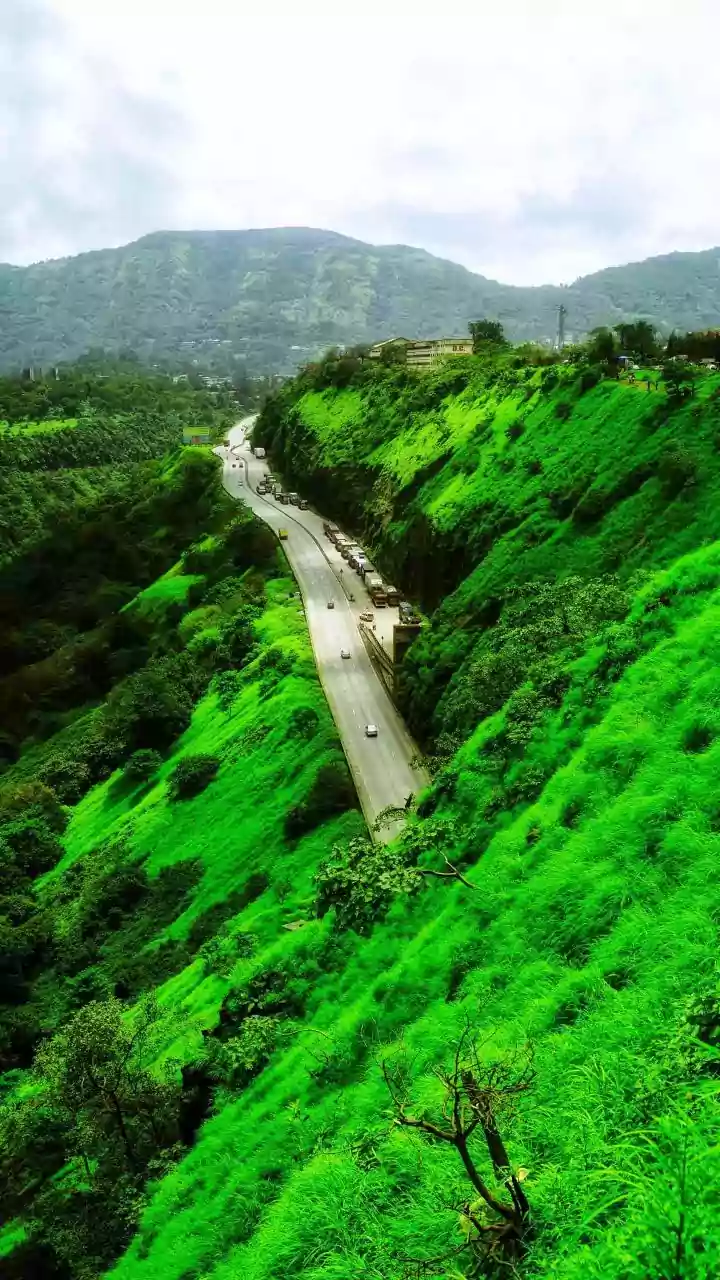
Conventional travel wisdom suggests avoiding the hills during the rainy season. However, for those willing to embrace the weather, the monsoon transforms Himachal's landscapes into a vibrant, emerald paradise. From July to September, the valleys are at their
greenest, waterfalls cascade with full force, and the rivers run wild and strong. The biggest advantage is the peace and quiet; with fewer tourists, you get to experience these destinations without the usual crowds, allowing for a slower, more immersive holiday. It’s a season that rewards travellers who aren’t chasing a checklist but are instead seeking quiet moments, cozy homestays, and the cinematic beauty of clouds rolling through the mountains.
Tirthan Valley: A Riverside Sanctuary
Named after the pristine Tirthan River, this valley is a designated eco-zone and the gateway to the Great Himalayan National Park (GHNP), a UNESCO World Heritage Site. During the monsoon, the river swells, and the surrounding forests become incredibly lush. While multi-day treks into the core zone of the GHNP are often restricted for safety, visitors can still enjoy plenty of activities. Gentle day hikes, like the trail to Chhoie Waterfall or the walk to the GHNP gate from Gushaini village, are particularly beautiful this time of year. The valley is famous for its trout fishing, though this is often suspended during heavy rains. The real charm of a monsoon trip here lies in staying at one of the many traditional homestays or guesthouses, enjoying home-cooked Himachali food, and spending lazy afternoons watching the rain from a wooden balcony.
Shoja: A Quiet Village in the Clouds
Situated a short drive above the more frequented Jibhi, Shoja is a quieter, more atmospheric alternative. At an altitude of over 8,000 feet, this small village often finds itself enveloped in mist, creating a magical, almost cinematic feel. Shoja’s appeal lies in its simplicity and slowness. It is the perfect place for doing nothing at all—reading a book by the window, sipping tea, and watching clouds drift through the dense deodar forests. For those seeking a bit of activity on clearer days, Shoja serves as a base for the drive up to Jalori Pass, which sits at around 10,800 feet. From the pass, you can embark on a popular beginner-friendly trek to Serolsar Lake, a serene high-altitude lake surrounded by thick oak forest. However, it's crucial to check local conditions, as the trail can become slippery and the pass road may close during heavy downpours.
Know Before You Go: Monsoon Travel Tips
Travelling to the mountains in the monsoon requires some preparation. The primary route to Tirthan Valley and Shoja is via the Delhi-Chandigarh highway to Aut, from where you enter the Banjar Valley. This stretch, particularly between Mandi and Aut, is prone to landslides, so it's essential to check road conditions before and during your journey. When booking accommodation, consider homestays located on higher ground rather than right on the riverbank for added safety during heavy rains. Pack waterproof jackets, quick-drying clothes, and sturdy footwear with good grip. Always carry essential medicines, a power bank, and some cash, as connectivity and power can be intermittent. Most importantly, keep your itinerary flexible. A monsoon trip is about embracing the weather, not fighting it.