





The Meaning Beyond the Petals
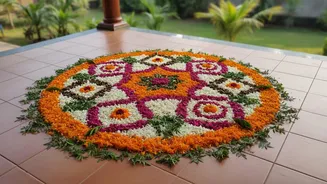
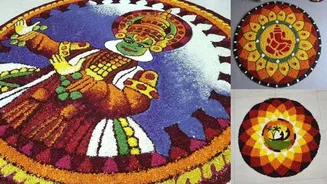
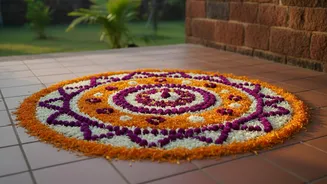
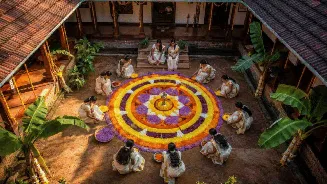
The pookalam, or floral carpet, is more than just decoration; it's a symbol of Kerala's rich harvest and natural abundance. Traditionally, these intricate designs were created over the ten days of Onam, starting on Atham, using flowers and leaves gathered
from the immediate surroundings. This practice fostered a deep connection with local ecology. However, modern celebrations often rely on commercially grown flowers transported over long distances and sometimes include non-biodegradable elements like plastic glitter or synthetic floral foam. This shift carries a significant environmental footprint, from carbon emissions during transport to plastic pollution after the festival ends. Embracing sustainability is a return to the original spirit of Onam—a true celebration of nature's gifts.
Choose Local and Native Flowers
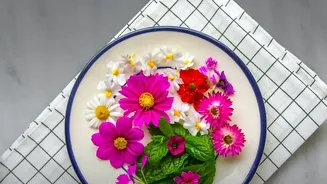
The first step towards a sustainable pookalam is rethinking your floral palette. Instead of sourcing flowers from distant markets, explore what grows locally and seasonally. Many traditional flowers that once defined the pookalam are native to Kerala and are perfectly suited for the celebration. Flowers like the white Thumba (Ceylon Slitwort), yellow Mukkutti, red Chethi (Jungle Geranium), and blue Shankupushpam (Butterfly Pea) are not only beautiful but are also biodegradable and part of the festival's heritage. Marigolds (Jamanthi), Hibiscus (Chembarathy), and Jasmine are other readily available options. Using native flowers supports local biodiversity and reduces the carbon footprint associated with transportation. It also revives a beautiful aspect of the tradition where families would forage in their own gardens for the day's floral arrangement.
Think Beyond Just Flowers
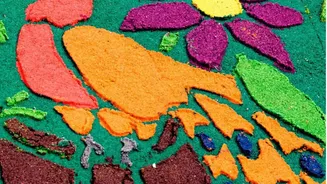
A sustainable pookalam uses a variety of natural materials for texture and colour. Look around your own home and garden for inspiration. Colourful leaves, tulsi (holy basil), small twigs, and even dried seeds or beads can add intricate detail and an earthy touch to your design. Instead of artificial coloured powders, which can contain harmful chemicals, consider using natural alternatives like rice flour for white outlines or turmeric powder for a vibrant yellow. Banana leaves can serve as a beautiful, traditional base for your arrangement or be used as decorative elements themselves. Avoid using plastic decorations, single-use floral foam, and anything that cannot naturally return to the earth.
The Art of Creative Composting
The lifecycle of your pookalam doesn't end when the celebrations do. One of the most significant sustainable actions you can take is to compost the floral waste. Instead of sweeping the petals and leaves into the bin, where they would end up in a landfill and produce methane gas, give them back to the soil. Separating the organic materials from any non-biodegradable items is key. You can add the flowers to a home compost bin, or even a simple terracotta pot, layering them with soil and dry leaves. Within weeks, this festive waste transforms into nutrient-rich compost for your garden or potted plants. This act closes the loop, turning your beautiful decoration into nourishment for future growth, embodying the cycle of harvest and renewal that Onam celebrates.