




The Himalayan Trigger: Glacial Outbursts
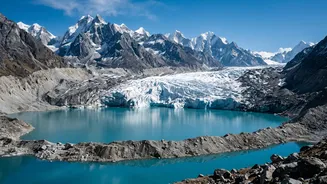
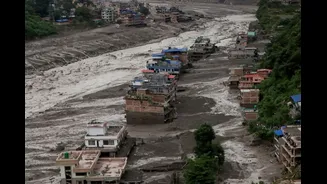
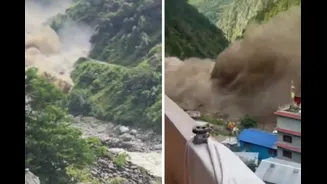
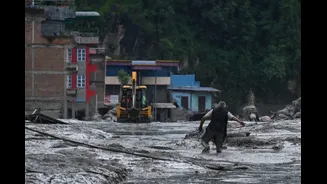
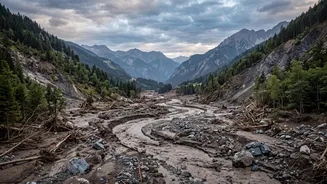
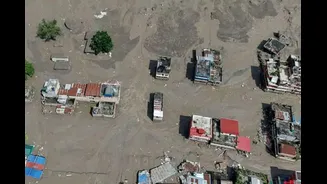
The disaster in Nepal's Rasuwa and Nuwakot districts was reportedly caused by a glacier collapse that triggered a massive release of water, sweeping away villages and infrastructure. This type of event is often a Glacial Lake Outburst Flood (GLOF). As
glaciers melt due to rising global temperatures, they leave behind vast lakes, often held in place only by unstable walls of ice and debris called moraines. These natural dams can fail with little warning. Triggers can include an avalanche or large rockfall crashing into the lake, causing a massive wave to overtop the dam. The dam itself can also fail due to erosion or the sheer pressure of the water. The result is a catastrophic, fast-moving wall of water and debris that scours everything in its path, with floods known to travel over 100 kilometres downstream. With thousands of such lakes dotting the Himalayas, many in India, the risk is immense and growing.
When Rain Becomes a Weapon: Cloudbursts
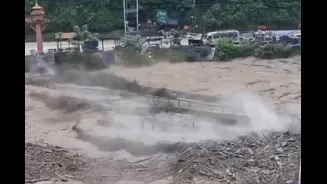
Another primary cause of flash floods in India's hill states is the cloudburst. This isn't just heavy rain; it's an extreme amount of precipitation in a very short period over a small area. The India Meteorological Department defines a cloudburst as 100 mm of rain in one hour. When this happens on steep terrain, the ground cannot absorb the water fast enough. This leads to a sudden, high-velocity rush of water mixed with mud and boulders, creating lethal debris flows. Recent years have seen devastating cloudburst-triggered events in states like Uttarakhand, Himachal Pradesh, and Jammu and Kashmir. Unlike GLOFs, which are tied to glaciers, cloudbursts are a meteorological phenomenon made more frequent and intense by climate change, as a warmer atmosphere can hold more moisture. They are notoriously difficult to predict, often occurring in remote areas with little warning.
Landslides and Man-Made Failures
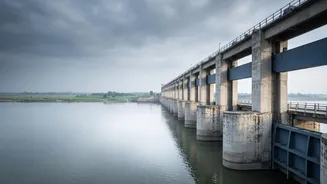
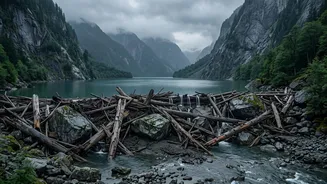
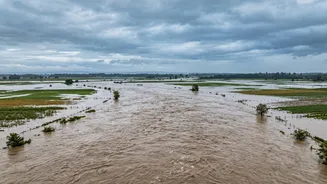
Flash floods aren't always born from glaciers or clouds. Sometimes, the trigger is the land itself. A massive landslide can block a river, creating a temporary 'landslide dam'. Water builds up behind this unstable barrier until it is breached or overtops it, leading to a sudden, violent flood downstream. This happened catastrophically in 2000 when a landslide dam on the Yigong-Zangbo River in Tibet failed, causing extensive damage downstream in India. Furthermore, human infrastructure can also be the point of failure. The collapse of a man-made dam or levee, whether due to structural issues, extreme weather, or poor maintenance, can release a reservoir's worth of water in an instant, with predictable and tragic consequences for anyone downstream. Urban areas also face unique flash flood risks due to impervious surfaces like concrete and asphalt, which prevent rainwater from soaking into the ground and accelerate runoff into drainage systems that can be quickly overwhelmed.
A Shared and Growing Threat
While the specific trigger for the August 26 disaster was a glacier collapse in the Nepal-Tibet border region, the lesson is universal for mountainous regions. The incident in the Bhotekoshi and Trishuli river systems, which killed at least 160 people and left hundreds missing, underscores the transboundary nature of these disasters. A trigger in one country can have devastating impacts on another downstream. The increasing frequency of these events—whether GLOFs, cloudbursts, or landslide-dam failures—is a direct consequence of a changing climate and increased development in fragile mountain ecosystems. The warming temperatures are not just melting glaciers to create more unstable lakes, but are also driving more extreme and erratic rainfall patterns that can trigger both landslides and cloudbursts. This combination creates a perfect storm for more frequent and more destructive flash floods across the entire Himalayan belt.