






A Below-Normal Forecast Sets the Stage
The India Meteorological Department (IMD) has set a cautious tone for the 2026 southwest monsoon, forecasting rainfall at 90% of the Long Period Average (LPA). [4, 9, 12] This places the season in the “below-normal” category, with a significant probability
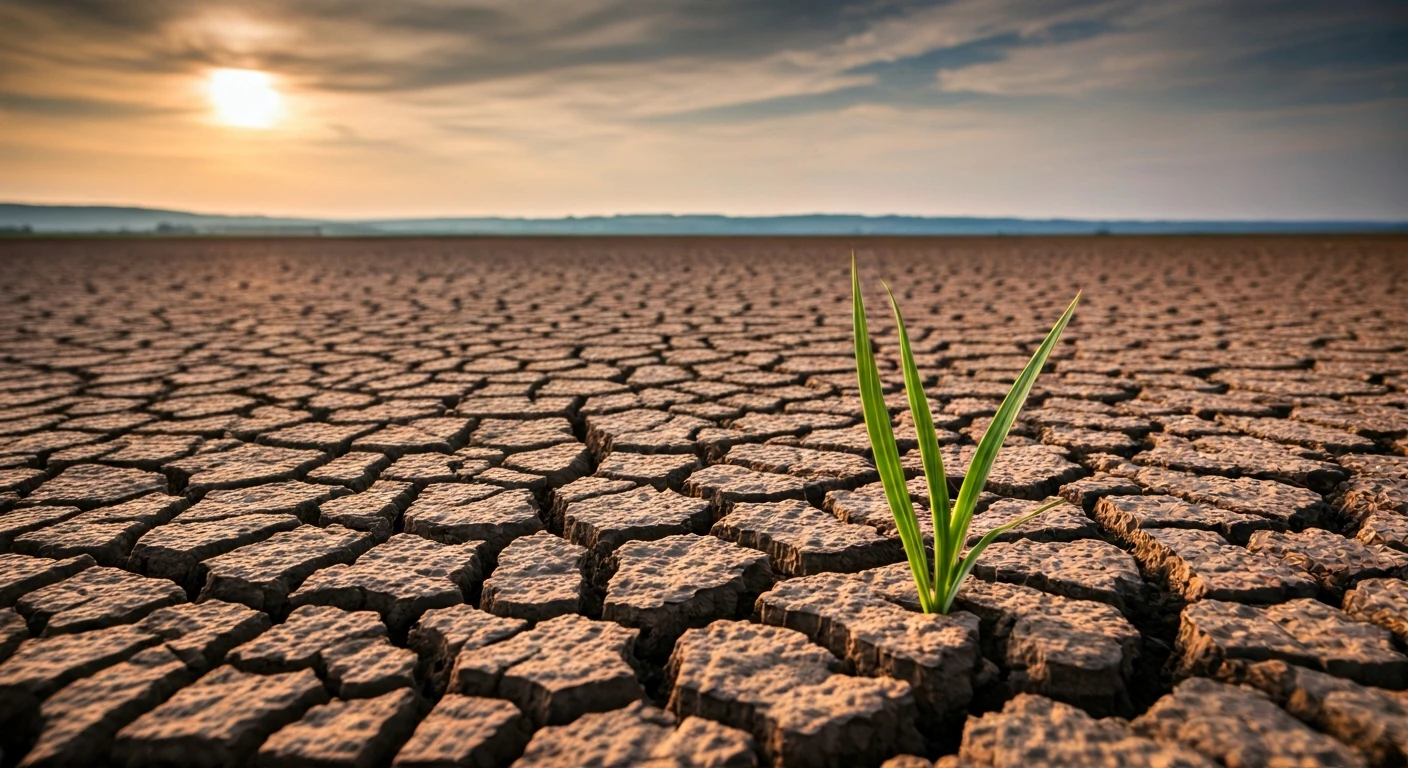
of deficient rainfall across key agricultural regions. [4, 21] This outlook is largely driven by the emergence of El Niño conditions, a climate pattern historically associated with weaker monsoons in India. [2, 12, 20] While the monsoon has advanced, covering all of Maharashtra by June 24th and continuing its push into other states, its initial progress was sluggish and followed a delayed onset. [8, 13, 17] The cumulative rainfall deficit was around 42% by June 23, raising early concerns. [24]
The Kharif Crop Conundrum
The monsoon's behaviour is the lifeline for India's Kharif (summer) crops. [11] Sowing for the 2026 season has had a mixed and cautious start. Data from mid-June showed that while overall sowing was slightly ahead of the previous year, driven by rice and pulses, key crops like cotton have seen a sharp decline in acreage. [2, 6] This hesitation reflects the uncertainty farmers face. The distribution of rain is often more critical than the national total. [10, 18] Extended dry spells can devastate newly sown crops, and many parts of the country remain heavily dependent on rain-fed agriculture. [10, 25] The government has identified 315 districts that could face agricultural stress if rainfall remains inadequate and has asked states to prepare contingency plans, including the use of alternative crop varieties. [24]
Reservoirs and Water Security
Beyond the fields, the monsoon is crucial for replenishing India's water reservoirs, which supply water for drinking, industry, and hydropower. [16] As of mid-June 2026, the country's 166 major reservoirs were at about 28% of their total live storage capacity. [3, 5] While this is above the 10-year average for this time of year, it is lower than the levels recorded in the same period in 2025. [3, 5, 15] The situation is particularly concerning in eastern and southern India, where reservoir levels are below both last year's and the normal levels for the season. [3] A weak monsoon could put severe pressure on urban and rural water supplies and impact hydropower generation well into the next year. [16, 18]
Economic Ripple Effects
A deficient monsoon's impact ripples far beyond the farm gate, directly influencing the broader economy. The agricultural sector, which employs a significant portion of the workforce, is the most obvious casualty. [11] A poor harvest can dampen rural demand, affecting sales of everything from tractors to fast-moving consumer goods. [14] More importantly for urban consumers, it can fuel food inflation. [18] Lower production of key staples like pulses and oilseeds can lead to price spikes, putting pressure on household budgets and creating a challenge for the Reserve Bank of India's efforts to manage inflation. While India's economy is now more diversified, the monsoon's performance remains a critical variable for overall GDP growth and economic stability. [10, 14]