

From Heirlooms to High-Fashion
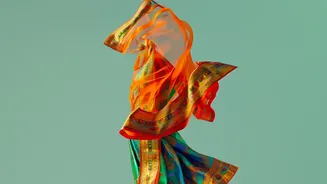
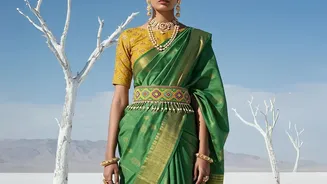
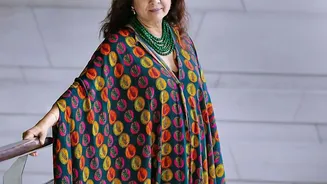
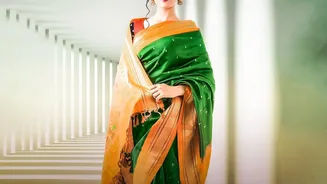
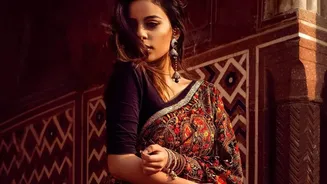
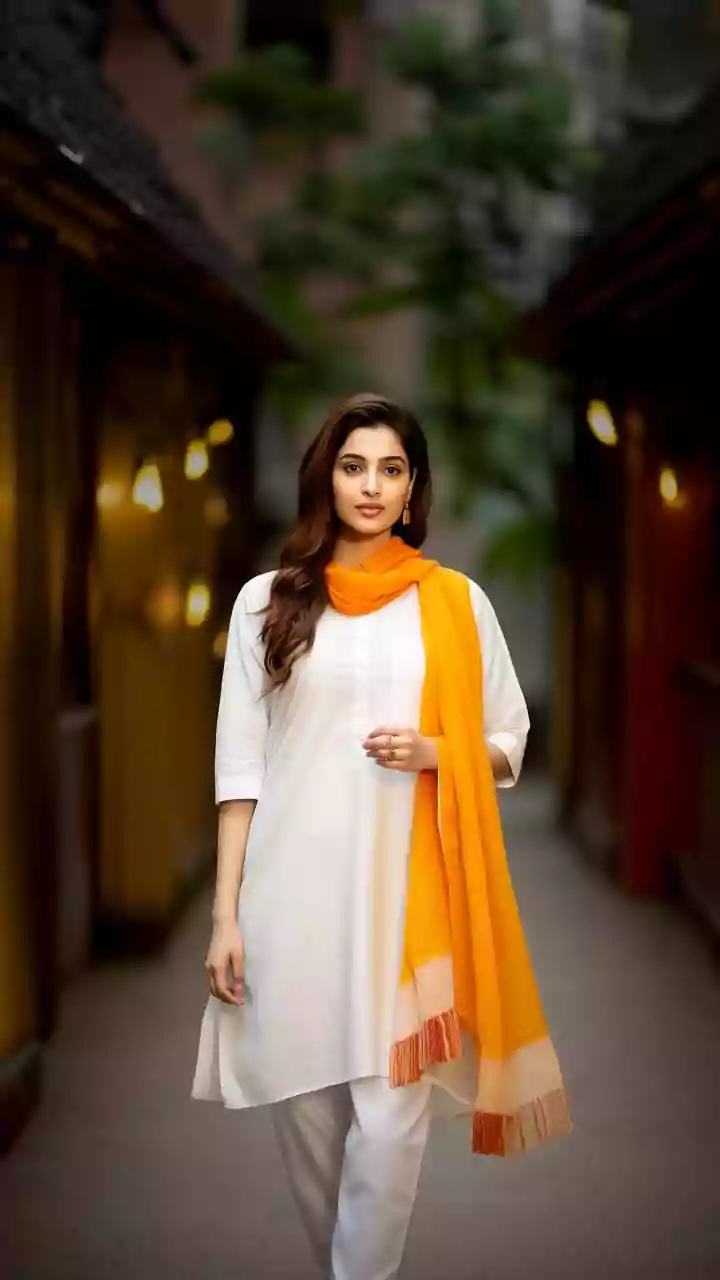
The perception of handloom is shifting dramatically. What was once seen as traditional or reserved for special occasions is now a staple of contemporary wardrobes. Designers are transforming heritage fabrics into everything from structured jackets and co-ord
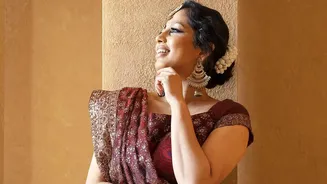
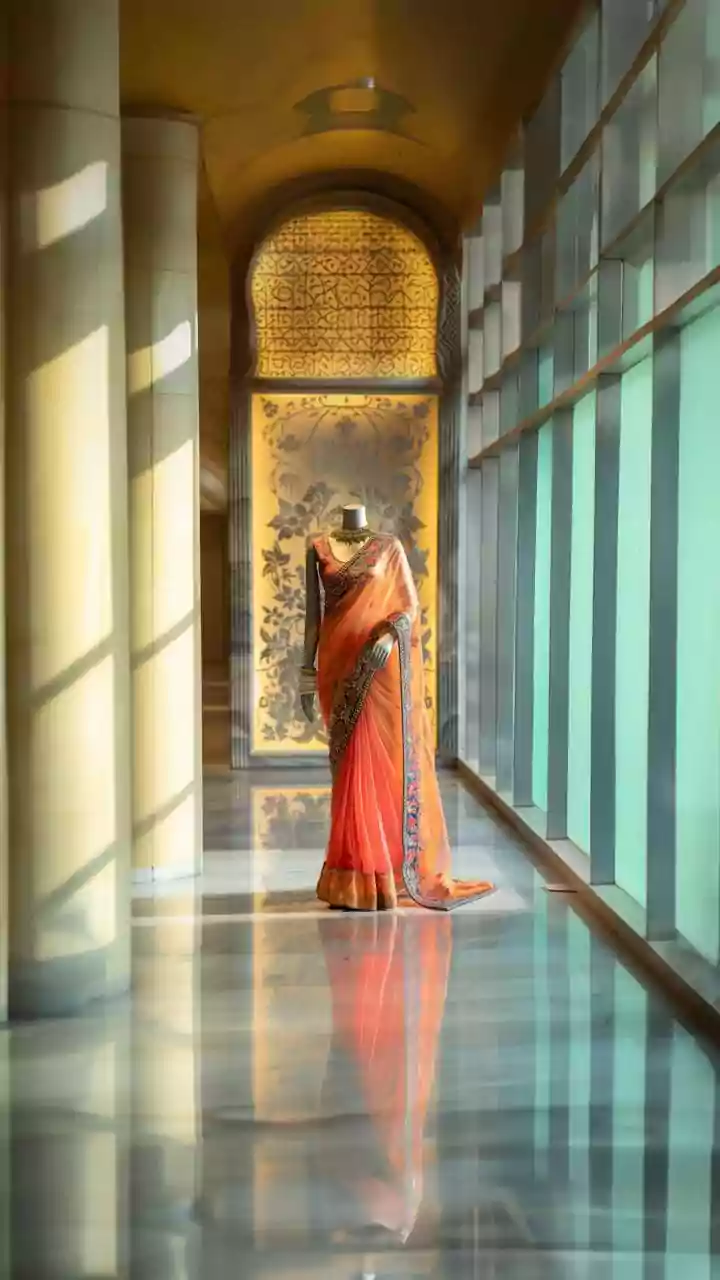
sets to minimalist dresses and everyday shirts. This evolution is changing how people connect with the craft. The sari is being restyled with sneakers, Khadi jackets are appearing in boardrooms, and weaves like Ikat and Chanderi are being cut into global silhouettes. This versatility proves that handloom is not a relic of the past but a living, adaptable art form perfectly suited for modern life. Celebrities and designers are championing this shift, proving that cultural depth and craftsmanship are the new markers of luxury.
The Designers Driving the Change
A new generation of Indian designers is at the forefront of this movement, acting as crucial bridges between weavers and the contemporary market. Names like Sabyasachi Mukherjee, Anita Dongre, and Rahul Mishra have been instrumental in placing handloom textiles on the global stage. They are not simply using old fabrics; they are reinterpreting them. By blending age-old weaving techniques with contemporary cuts, innovative colour palettes, and modern styling, they make heritage textiles relevant to a new audience. This approach respects the integrity of the craft while expanding its appeal beyond traditional ethnic wear. Their work shows that handloom can be both a tribute to heritage and a forward-looking fashion statement.
More Than Just Thread: A Sustainable Choice
A significant force behind the handloom revival is the growing global demand for sustainable and ethical fashion. Handloom production has an inherently low carbon footprint. The looms are powered by human skill, not electricity, and the process uses significantly less water than industrial manufacturing. Many artisans use natural dyes derived from plants and minerals, avoiding the toxic chemicals common in fast fashion. In a world grappling with the environmental cost of mass-produced clothing, handloom offers a compelling alternative. Consumers, particularly younger generations, are increasingly drawn to garments that tell a story of conscious production, ethical labour practices, and environmental responsibility.
A New Language of Modern Indian Identity
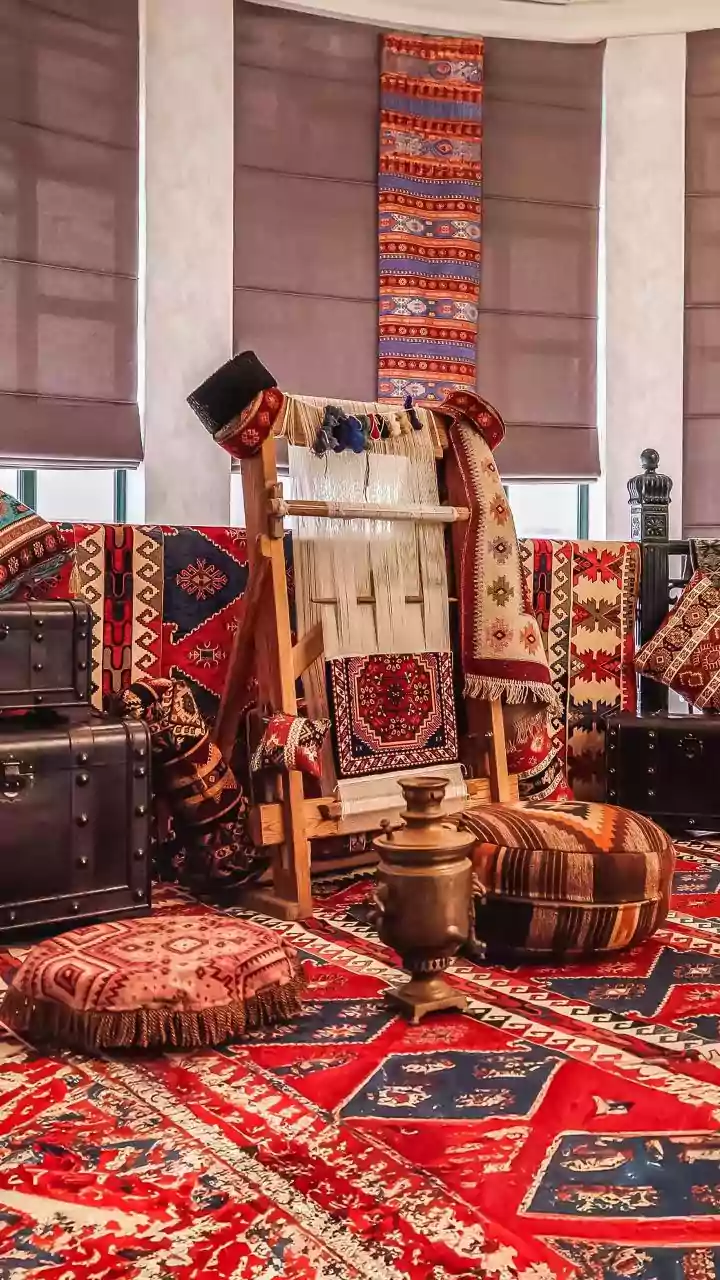
Choosing to wear modern handloom is increasingly a statement of identity. It reflects a pride in Indian heritage combined with a global, contemporary outlook. The movement, which has roots in the Swadeshi Movement's call for self-reliance, is finding new resonance today. By integrating handwoven textiles into everyday life, wearers are rejecting the homogenised trends of fast fashion and embracing something unique and culturally significant. Each handwoven piece is distinct, carrying the touch of the artisan who made it. This connection to craftsmanship and cultural narrative offers a sense of authenticity that mass-produced garments cannot replicate, making it a powerful form of self-expression for a new generation.
Challenges on the Loom
Despite its resurgence, the handloom sector faces significant hurdles. Competition from cheaper, machine-made powerloom fabrics remains a primary threat. Many weavers struggle with low and inconsistent incomes, with some earning less than ₹5,000 a month, pushing younger generations to seek more stable employment in urban areas. The rising cost of quality raw materials like cotton and silk yarn further squeezes weavers' margins. While government schemes and designer collaborations provide vital support, long-term success depends on creating an ecosystem where weaving is seen as a profitable and aspirational profession. This requires better market access, fair pricing, and leveraging technology to connect weavers directly with consumers.