








What is 'Humid Bloating'?
While not a clinical medical term, 'humid bloating' describes a very real sensation that many people in India experience. During periods of high humidity, especially in the monsoon or in coastal regions, our bodies can struggle. The heat and moisture
can slow down our digestive fire, or 'agni' as it's known in Ayurveda. We may also sweat more and drink less water, thinking we don't need it, which can lead to dehydration and water retention. This combination can result in a feeling of puffiness, gas, and digestive sluggishness. Your stomach feels uncomfortably full, and you might feel lethargic. This is the body's response to an external environment that makes its internal regulation a little more challenging.
The Ancient Wisdom of Fennel (Saunf)
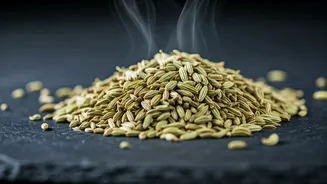
Fennel seeds, or saunf, are a staple in every Indian kitchen for a reason. They are more than just a mouth freshener offered after meals. Traditionally, saunf is revered for its carminative properties, which means it can help prevent the formation of gas in the gastrointestinal tract and aid in its expulsion. This is why it’s so effective against bloating and indigestion. The essential oils in fennel, like anethole, have antispasmodic and anti-inflammatory qualities that can relax stomach muscles and soothe an irritated digestive system. Furthermore, fennel acts as a mild diuretic, which can help the body flush out excess water and salt, directly addressing the water retention aspect of bloating.
The Cooling Power of Mint (Pudina)
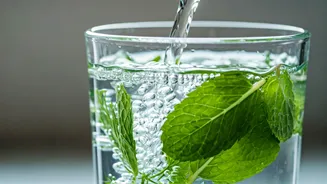
Mint, or pudina, is another hero ingredient in this simple concoction. Its primary active compound, menthol, is known for its cooling properties, providing a refreshing antidote to sticky, humid weather. For digestion, mint is a powerhouse. It has been used for centuries to soothe upset stomachs. It can help relax the muscles of the stomach, which can improve the flow of bile, an acid the body uses for digestion. This can help food pass through the stomach more quickly. For those who feel 'stuck' or heavy after a meal, mint water can provide a sense of lightness and ease. Its fresh aroma and taste also make drinking water more enjoyable, encouraging better hydration overall.
The Simple Overnight Infusion Recipe
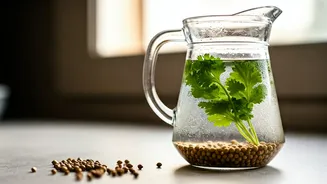
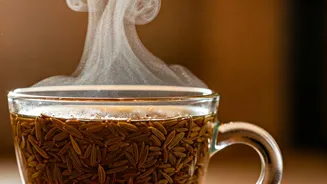
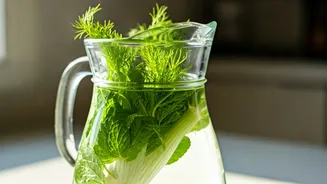
Making this beneficial water is incredibly easy. The overnight steeping process is key, as it allows the water to gently extract the essential oils and nutrients from the ingredients without using heat, which can destroy some of the delicate compounds. **Ingredients:** - 1 litre of water (preferably in a glass jar or bottle) - 1 teaspoon of fennel seeds (saunf) - 10-12 fresh mint leaves (pudina), lightly crushed **Instructions:** 1. Take your glass jar or bottle and add the fennel seeds. 2. Gently crush the mint leaves in your palm to release their oils before adding them to the jar. 3. Pour the 1 litre of water over the ingredients. 4. Give it a gentle stir, cover the jar, and leave it to steep overnight on your kitchen counter or in the refrigerator. 5. In the morning, your infused water is ready. You can strain the seeds and leaves if you prefer, or leave them in and drink throughout the day.
How to Incorporate It Into Your Day
For best results, start your day by drinking a large glass of this fennel and mint water on an empty stomach. This can help kick-start your metabolism and digestive system for the day ahead. You can then sip the remaining water throughout the morning and early afternoon. It’s a fantastic replacement for plain water, making hydration more flavourful and beneficial. While this drink is gentle and natural, it's always best to listen to your body. It is a supportive habit, not a magic cure. If you find it helps, you can make it a regular part of your wellness routine, especially during seasons of high humidity.