







India's Heavy Reliance on Imports
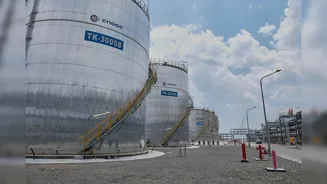
The story of India's fuel prices begins with its significant dependence on foreign oil. The country imports a vast majority of its crude oil, with figures showing this dependence has climbed to nearly 89 percent. This high level of reliance means that
any volatility in global crude oil markets, whether due to geopolitical conflicts, supply chain disruptions, or changes in production by oil-producing nations, has a direct and immediate impact on India's import bill. When international crude prices rise, India has to spend more foreign currency, primarily US dollars, to purchase the same amount of oil. This exposure makes the Indian economy highly sensitive to global energy shocks.
The Journey from Crude to the Pump
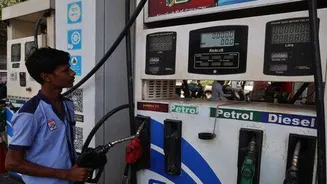
The price of crude oil is just the starting point. Once crude oil is imported, it is sent to refineries where it is processed into finished products like petrol and diesel. The price at which oil marketing companies (OMCs) like Indian Oil, BPCL, and HPCL sell this fuel to dealers is called the base price. This includes the cost of crude, refining expenses, and a margin for the oil companies. However, this is far from the final price you pay. Since June 2017, India has followed a dynamic pricing mechanism, where petrol and diesel prices are revised daily based on a rolling average of international fuel prices and the Rupee-Dollar exchange rate.
The Crucial Role of Taxes
A major portion of the retail price of petrol and diesel in India consists of taxes levied by both the central and state governments. The central government imposes a fixed excise duty, which includes components like a basic duty and various cesses for infrastructure and agriculture development. On top of this, each state government levies its own Value Added Tax (VAT), which is charged as a percentage. This is why fuel prices vary significantly from one state to another. Combined, these central and state taxes can account for anywhere from 40% to over 50% of the final pump price, forming a substantial source of revenue for the government but also significantly inflating the cost for consumers.
How Airfares Are Affected
The impact of global oil prices extends to the skies. Airlines are major consumers of a specialised fuel called Aviation Turbine Fuel (ATF), which is derived from crude oil. For an airline, fuel costs represent one of their largest operational expenses, often making up 35-40% of their total budget. When crude oil prices surge, the cost of ATF follows suit. These increased costs are typically passed on to passengers in the form of higher ticket prices or additional fuel surcharges. This direct link means that a spike in global oil prices can quickly make air travel more expensive, potentially affecting passenger demand and the financial health of the aviation industry.
The Ripple Effect on the Economy
The impact of rising fuel prices is not confined to just vehicle owners and air travellers. Since diesel is the primary fuel used for transporting goods across the country, an increase in its price leads to higher freight charges. This inflates the cost of almost all commodities, from fresh vegetables and grains to manufactured products, as businesses pass on the higher logistics costs to consumers. This can lead to broader inflationary pressures across the economy, squeezing household budgets and reducing discretionary spending. Therefore, a sustained increase in global oil prices can slow down overall economic growth by increasing costs for businesses and reducing the purchasing power of the common citizen.