

The Perfect Season: Why Visit in Autumn
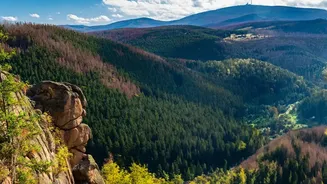
October and November are arguably the best months to experience Sohra (formerly Cherrapunji). The intense monsoon rains have subsided, but their gift remains: a landscape of impossible green and waterfalls flowing with vigour. This post-monsoon period
offers clearer skies, comfortable temperatures, and better visibility, revealing the vast valleys often hidden by clouds. The weather is ideal for trekking and sightseeing, striking a perfect balance between the dramatic, rain-soaked summer and the drier winter months. You get the best of both worlds—vibrant nature without the travel disruptions of peak monsoon.
Chase Waterfalls: Nohkalikai and the Seven Sisters
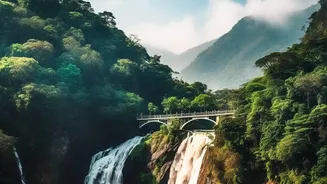
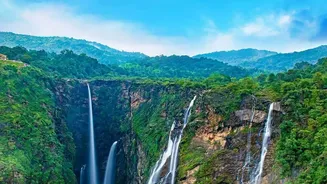
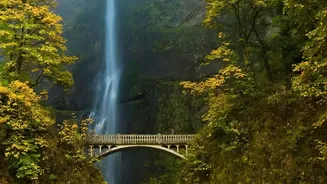
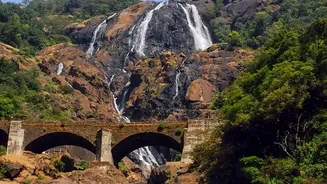
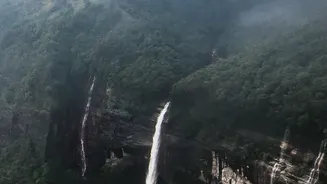
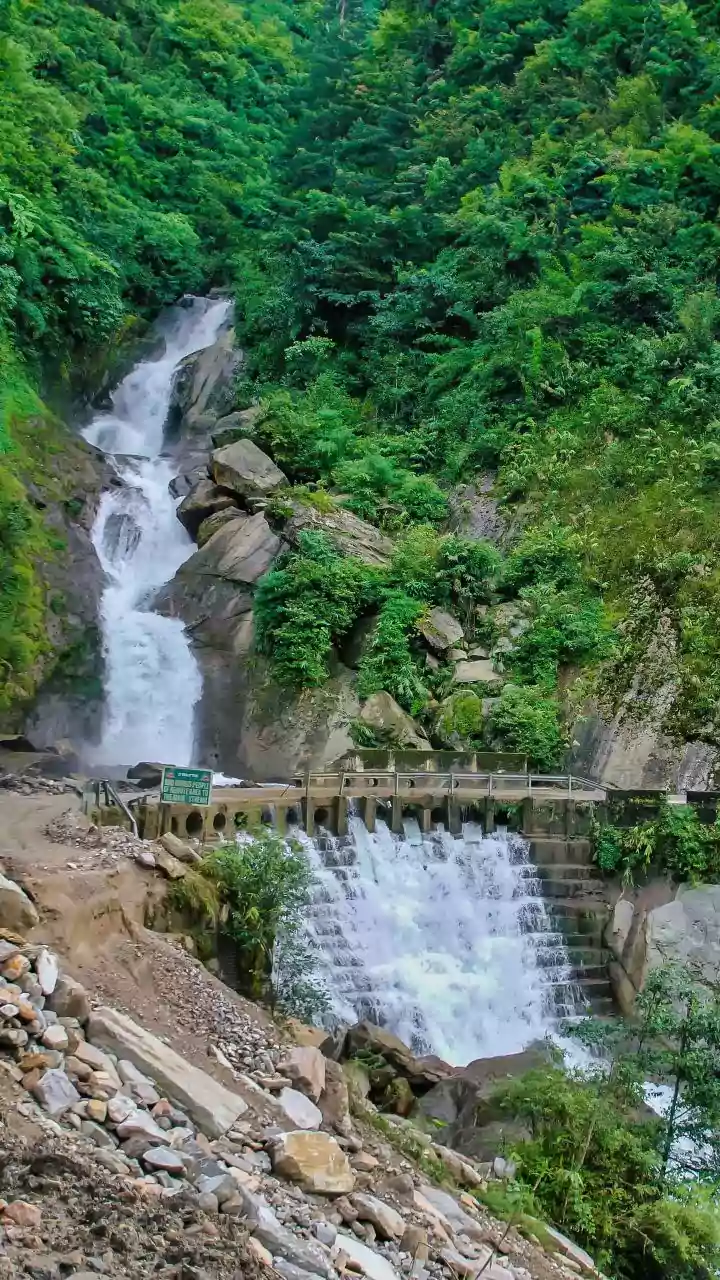
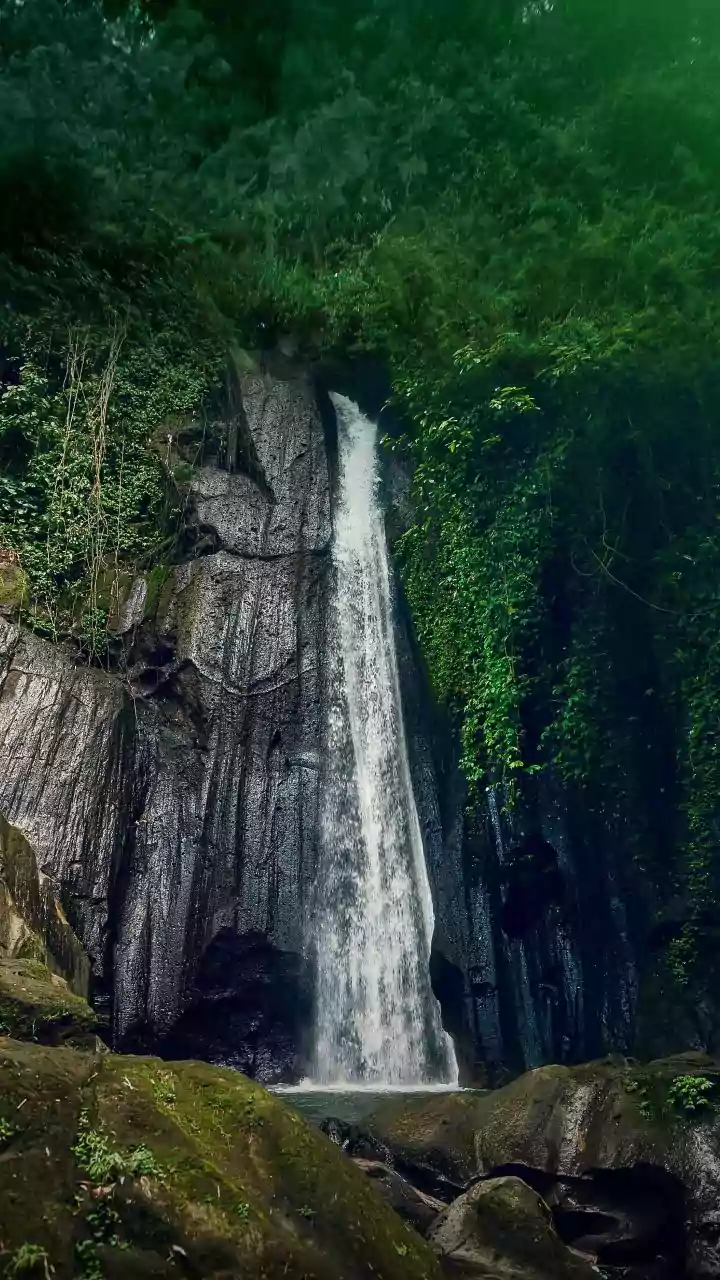
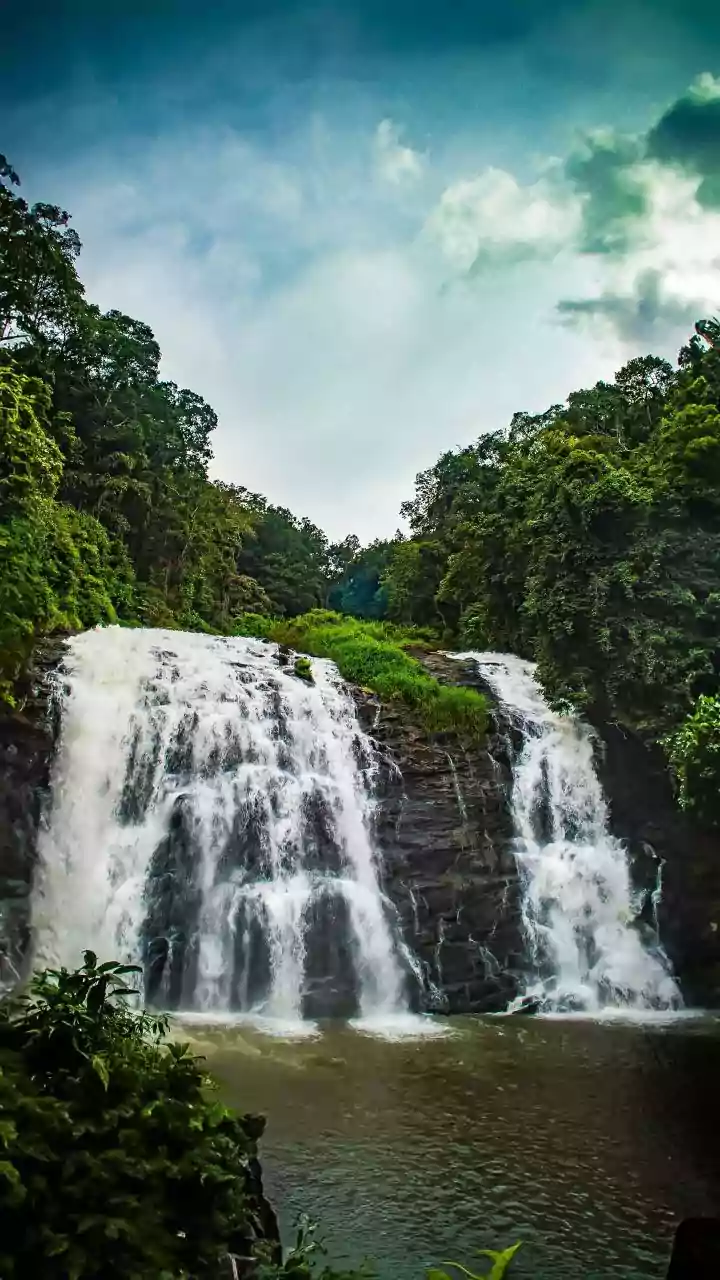
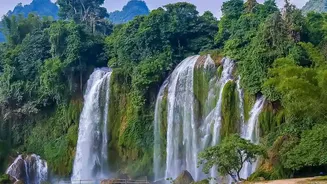
Sohra’s reputation is built on its spectacular waterfalls, and autumn is a prime time to see them. Start with Nohkalikai Falls, India's tallest plunge waterfall, which cascades from a clifftop into a stunning turquoise pool. Then, head to the Seven Sisters Falls (Nohsngithiang Falls), a magnificent seven-segmented cascade that is particularly impressive after the monsoon. Another must-see is Dainthlen Falls, known for its wide, rocky expanse and the fascinating Khasi legends surrounding it. Unlike the peak dry season, these falls still carry impressive volume in autumn, making for breathtaking sights and photos.
The Living Root Bridges: A Trek to Nongriat
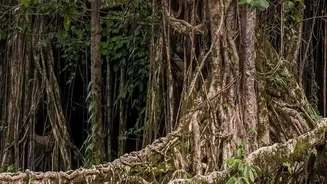
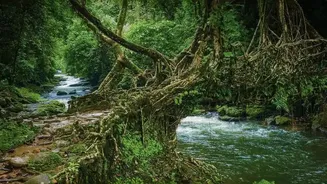
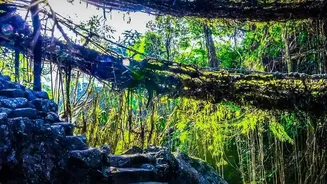
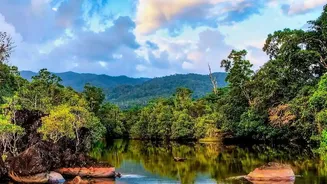
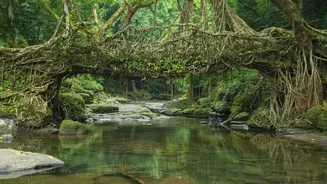
No trip to Meghalaya is complete without seeing the living root bridges, a marvel of bio-engineering by the Khasi people. The most famous of these is the Umshiang Double-Decker Root Bridge, located in Nongriat village. Reaching it requires a significant trek, involving a descent of over 3,000 steps from the starting point in Tyrna village, a short drive from Sohra. The journey is strenuous but incredibly rewarding. You'll cross steel suspension bridges over crystal-clear rivers before arriving at the two-tiered bridge. For a more immersive experience, consider staying overnight in a village homestay to enjoy the tranquility of the place after the day-trippers have left.
Underground Wonders: Exploring Mawsmai Cave
For a different kind of adventure, head to Mawsmai Cave. It is one of the most accessible and well-lit cave systems in Meghalaya, offering a safe introduction to the region's subterranean world. Located just a few kilometres from Sohra, the 150-metre-long cave is filled with impressive stalactite and stalagmite formations. As you navigate the sometimes narrow passages, you can observe fossils embedded in the limestone walls. The path is easy to follow, making it suitable for most visitors. It provides a fascinating look into the geology that shapes this unique landscape.
Getting There and Around
The main gateway to Meghalaya is Shillong, which is about 55 km (around 2 hours by road) from Sohra. You can hire a taxi or take a shared vehicle from Shillong to reach Sohra. To explore the various sights around the Sohra plateau, hiring a local taxi for the day is the most convenient option. For the trek to the double-decker root bridge, you'll need to arrange transport to Tyrna village, the starting point of the hike. It's wise to have your taxi wait for your return, as transport options from Tyrna are scarce, especially later in the day.
Essential Packing Checklist
Packing for Meghalaya requires thinking in layers. While autumn days are pleasant, mornings and evenings can be cool. Your essentials should include lightweight, quick-dry clothing and a warm fleece or light jacket. Sturdy walking or trekking shoes with good grip are non-negotiable, especially for the trek to the root bridges and slippery paths near waterfalls. A waterproof jacket or poncho is also a must, as sudden showers can occur. Don't forget a power bank, as electricity can be unreliable in remote areas, and a reusable water bottle to stay hydrated.