

A Return to Conscious Celebrations
A quiet but powerful shift is taking place at dinner tables in urban India. Young hosts, increasingly aware of their environmental footprint, are consciously moving away from disposable plastics and mass-produced ingredients. Instead, they are championing
a style of entertaining that is both elegant and earthy. This trend marries the wisdom of tradition with modern values like sustainability and wellness. It’s a movement driven by a desire for authenticity, a connection to the food being served, and the community it brings together. This new wave of hosting proves that festive indulgence and mindful living can go hand in hand, creating experiences that are memorable for both their flavour and their philosophy.
The Humble, Mighty Banana Leaf
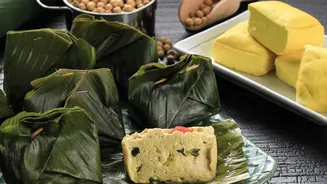
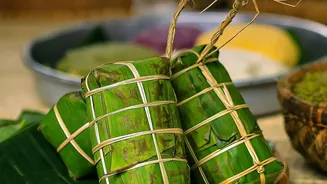
At the forefront of this sustainable shift is the revival of the banana leaf as the ultimate organic plate. For centuries a staple in South Indian and other Asian cultures for serving food, the banana leaf is finding new appreciation for its eco-friendly credentials. Unlike plastic or styrofoam plates that pollute landfills for centuries, banana leaves are fully biodegradable and compostable, returning to the earth within a short time. They require minimal cleaning, saving water, and are free from the chemical residues that can linger on washed utensils. Furthermore, when hot food is placed on the leaf, its natural waxy coating imparts a subtle, earthy aroma that enhances the flavour of the meal. Some studies also suggest this coating contains polyphenols, natural antioxidants that may be absorbed by the food.
Celebrating Regional and Organic Bounty
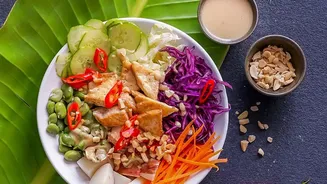
Alongside the choice of serveware, what's on the plate is also changing. There's a growing emphasis on sourcing organic, seasonal, and regional produce. This 'farm-to-table' approach, once a niche concept, is becoming more mainstream as young consumers seek fresher, more flavourful, and chemical-free food. By sourcing directly from local farms, hosts are not only ensuring the quality of their ingredients but also supporting local economies and reducing the carbon footprint associated with long-distance food transportation. This focus on regionality celebrates India's immense agricultural diversity, bringing forgotten grains, indigenous vegetables, and seasonal delicacies back to the festive menu.
More Than Just a Meal, It's a Mindset
Choosing banana leaves over paper plates or seeking out a local farmer for vegetables is about more than just logistics; it represents a deeper cultural and philosophical shift. For many young Indians, it's a way of reclaiming a piece of their heritage while actively participating in a global conversation about sustainability. These festive feasts are an expression of values: a respect for nature, a commitment to community health, and a rejection of mindless consumerism. The act of serving a meal on a natural, biodegradable leaf fosters a connection to the earth, reminding guests of the origins of their food and the importance of preserving the environment for future generations to celebrate.
How to Host Your Own Green Feast
Inspired to make your next gathering more sustainable? Start small. Seek out a local vendor for banana leaves; they are often readily available and inexpensive. Plan your menu around seasonal produce from your region, which will be fresher and more flavourful. When decorating, opt for natural elements like fresh flowers, earthen diyas, and reusable cloth hangings instead of plastic decor. Most importantly, share the story behind your choices with your guests. Explaining why you chose a banana leaf or sourced local ingredients can turn a simple meal into a meaningful conversation, inspiring others to adopt a more conscious approach to their own celebrations.