







The Scent of the Soil
Forget fleeting florals and artificial sweet notes. The fragrance capturing the imagination of India’s wellness-focused crowd is earthy, complex, and deeply rooted in our own soil. It’s vetiver, or as it's traditionally known, *khus*. Derived from the fragrant
roots of a perennial grass native to India, vetiver’s scent is unlike any other. It’s smoky, woody, and reminiscent of the air after the first monsoon rain hits dry earth. This isn’t a scent that screams for attention; it’s a quiet, grounding presence that feels both ancient and incredibly modern. For centuries, khus has been woven into mats and curtains, which, when sprinkled with water, release their cooling, calming aroma. Now, that same timeless scent is being rediscovered in a new form: the artisan incense cone.
From Chemical Clouds to Conscious Calm
The rise of vetiver is part of a larger rebellion against the synthetic. For years, the home fragrance market was dominated by chemical-heavy sprays, gels, and plug-in diffusers that masked odours with an aggressive olfactory assault. But as awareness around clean living, organic food, and sustainable choices has grown, so has the desire for authenticity in what we breathe at home. People are no longer just asking what’s in their food, but also what’s in their air. This “slow fragrance” movement prioritises natural ingredients, subtle aromas, and mindful rituals over quick, artificial fixes. Vetiver, with its grounding properties long celebrated in Ayurveda for calming the mind, fits perfectly into this new paradigm. It doesn't just make a room smell 'nice'; it helps create a sanctuary.
Why 'Artisan' Matters
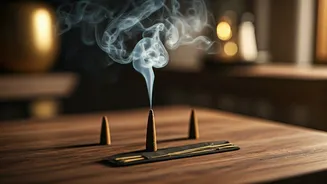
It’s crucial to understand that the incense cones trending now are worlds apart from the cheap, brightly-coloured agarbattis many of us grew up with. Those are often made by dipping a blank stick into synthetic fragrance oils and chemical binders, which can release harmful particulates when burned. The 'artisan' in the headline is the key. Small-batch creators are reviving traditional methods, crafting cones from natural resins, wood powders, and, most importantly, pure vetiver essential oil or powdered root. They are hand-rolled and sun-dried, free from charcoal, phthalates, and synthetic perfumes. The result is a cleaner burn and a far more nuanced and authentic scent experience. It’s the difference between a homemade meal cooked with fresh ingredients and a pre-packaged, microwaved dinner.
The Ritual of Modern Mindfulness
For many, lighting a vetiver cone has become a cherished daily ritual. It’s a signal to the brain that it’s time to transition—from a frantic workday to a peaceful evening, before a yoga or meditation session, or simply to create a pocket of calm amidst the chaos of daily life. The act itself—striking a match, watching the tip of the cone glow, and seeing the first plume of fragrant smoke—is a mindful practice. It’s a sensory cue to slow down, breathe deeply, and be present. In organic lifestyle circles, where self-care is a non-negotiable, this small, ten-minute ritual offers a powerful return on investment for mental clarity and a sense of well-being. It's less about fragrance and more about feeling.