





Understanding the 'Waterproof' Promise
Before you buy, it’s crucial to know the difference between 'water-resistant' and 'waterproof'. Water-resistant items can handle a light drizzle or splashes but will eventually get soaked in a sustained downpour. Waterproof gear, on the other hand, is designed
to be impervious to water, often using materials with a membrane and sealed or welded seams to block moisture entirely. For a daily commute during the Indian monsoon, which can shift from a light shower to a deluge in minutes, investing in truly waterproof items is not a luxury—it's a necessity.
How to Choose Monsoon-Proof Shoes
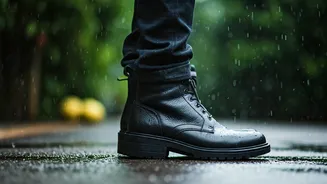
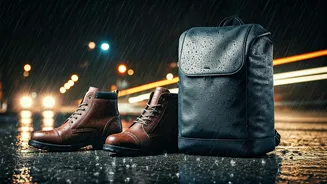
Your feet are your first line of defence against puddles and muck. The ideal rainy-day shoe should be waterproof, provide excellent grip, and be easy to clean. Materials like rubber and PVC are classic choices because they are fully waterproof and durable. Many brands now offer stylish waterproof versions of everyday footwear. Look for waterproof sneakers, loafers, or Chelsea boots made from treated leather or synthetic fabrics. These options provide the protection of a rain boot without compromising on office-appropriate style. Always check for a slip-resistant sole with a good tread to prevent accidents on slick pavements.
Key Features in a Commuter Shoe
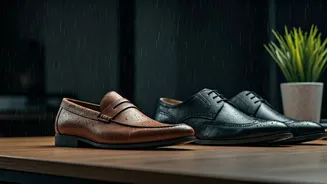
Beyond the material, consider the construction. Closed shoes are generally better than open-toed sandals for keeping feet clean and protected, but ensure they are made from quick-drying, breathable materials to prevent fungal infections. Styles like Crocs are popular because their ventilation holes allow water to drain out easily. For a more formal look, waterproof loafers or boots made from specially treated leather offer a great balance of function and fashion. Pay attention to the sole; a sturdy, textured rubber sole provides the grip needed for slippery surfaces. Whatever you choose, make sure your shoes can dry out completely between wears to maintain foot hygiene.
Finding the Right Commuter Bag
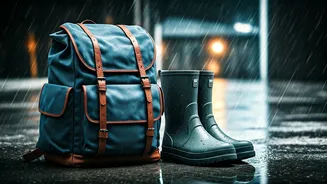
Your bag carries your daily essentials, from your wallet and phone to your expensive work laptop. A standard backpack or handbag simply won't cut it in a downpour. Cardboard and even thick canvas can become saturated, risking damage to everything inside. The best monsoon bags are made from inherently waterproof materials like PVC, coated nylon, or tarpaulin. These fabrics act as a barrier against rain, rather than just repelling it for a short time. The difference between a soggy mess and a dry interior often comes down to these material choices.
Must-Have Bag Features for a Wet Commute
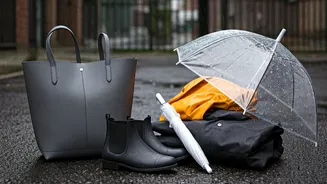
A truly waterproof bag goes beyond just the fabric. The closures are critical. Look for bags with roll-top closures, which create a watertight seal, or those with specially designed waterproof zippers. Regular zippers are a common failure point where water can easily seep in. Inside, multiple compartments are a huge plus, allowing you to keep a wet umbrella or raincoat separate from your electronics. A dedicated, padded laptop sleeve is non-negotiable for most commuters. Finally, consider comfort. Padded shoulder straps and an ergonomic back panel make carrying a fully loaded bag much more manageable, whether you're on a crowded train or navigating a two-wheeler.