







What is an IoT Flood Monitor?
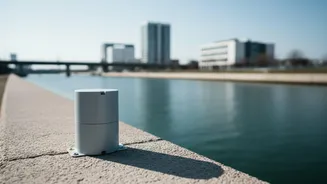
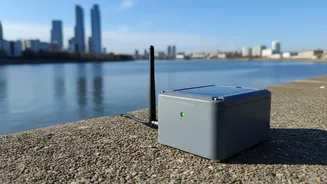
At its heart, an IoT flood monitor is a smart, connected device designed for one crucial job: detecting rising water levels. Imagine a network of rugged sensors placed at strategic, flood-prone points across a city—inside major storm drains, along riverbanks,
and in low-lying residential areas. 'IoT' simply stands for 'Internet of Things,' which means these individual sensors are all connected to the internet. Unlike traditional methods that might rely on manual checks or delayed reports, these monitors work 24/7, automatically measuring water levels. When the water surpasses a pre-defined safe threshold, the sensor is triggered, initiating an instantaneous alert. This system forms the backbone of a smart city's flood management strategy, replacing guesswork with hard data.
From Sensor to Smartphone in Seconds
The magic of this technology lies in its speed. The moment a sensor detects a dangerous water level, it transmits this data wirelessly to a central command centre. There, sophisticated software analyses the information, often combining it with weather forecasts and data from other sensors to understand the scale of the potential flood. This isn't just raw data; it's processed into actionable intelligence. The system can then automatically push out targeted warnings to the public. These alerts are sent through multiple channels to ensure they reach everyone at risk: SMS notifications, push alerts on dedicated city apps, social media updates, and even public address systems or sirens in high-risk zones. This entire process, from detection to public alert, can happen in minutes, providing a critical head start.
The Power of a Precious Head Start
Receiving a flood warning even 30 to 60 minutes in advance can be the difference between manageable inconvenience and total disaster. This lead time transforms residents from potential victims into prepared individuals. Without a warning, a sudden flash flood can trap people in their homes or cars, damage vehicles beyond repair, and destroy valuable property and essential documents on lower floors. With an alert, the dynamic shifts completely. That crucial window of time allows people to take simple yet profoundly effective preparatory measures. It’s the time you need to move your car to higher ground, to lift electronics and furniture off the floor, and to secure important papers in a waterproof bag. Most importantly, it gives families time to check on vulnerable neighbours and decide on a safe evacuation plan if necessary.
Turning an Alert into Action
When that alert arrives, knowing what to do is key. The first step is to stay calm and follow the instructions from local authorities. If you have time before water levels rise, bring in or tie down any outdoor furniture or objects that could float away. Move essential items, including emergency kits and valuables, to an upper floor if possible. It’s also wise to unplug electrical appliances, but only if you are dry and not standing in water. An essential part of community resilience is communication; use this time to check on family, friends, and elderly neighbours who may need assistance. If an evacuation order is issued, follow it immediately. Authorities will recommend the safest routes to avoid already flooded or blocked roads.
Building Smarter, More Resilient Cities
Real-time flood monitoring does more than just warn residents. The vast amount of data collected is invaluable for city planners and disaster management teams. By analysing flood patterns over time, officials can identify chronic problem areas and make data-driven decisions about where to invest in better drainage, build flood barriers, or improve infrastructure. This technology is a cornerstone of the 'smart city' concept, where data is used to make urban environments safer and more efficient. Cities across India, including Mumbai, Chennai, and Bengaluru, are increasingly looking to technologies like IoT and digital twins—virtual models of the city—to better predict and manage the impacts of severe weather, making them more resilient in the face of climate change.