




What is the Hidden Lotus Pose?
Gupta Padmasana, translating to 'Hidden Lotus Pose', is an advanced yoga asana that builds upon the classic Padmasana (Lotus Pose). It involves sitting in the full lotus position, where each foot rests on the opposite thigh, and then carefully moving
into a prone position, lying flat on the abdomen. In the full expression of the pose, the hands are clasped behind the back. The name 'Hidden Lotus' comes from the way the legs in the lotus position are tucked beneath the body. This posture is a deep forward bend and requires significant flexibility in the hips, knees, and ankles, as well as spinal mobility and core strength.
The Importance of Controlled Movement
The transition into Gupta Padmasana is not about speed or force; it is a study in deliberate and controlled movement. As Shilpa Shetty demonstrated, the practitioner first establishes a stable Padmasana. From there, they lean forward, placing hands on the floor for support, lifting the hips, and coming onto the knees while maintaining the leg lock. The descent is the most critical part, requiring core engagement to slowly lower the torso, chest, and chin to the floor without collapsing. This slow, mindful movement prevents injury to the vulnerable joints of the knees and ankles, which are in a deeply flexed and rotated position. Rushing or using momentum can place undue strain on ligaments and muscles. Control ensures the body remains stable and aligned throughout the posture.
Physical and Mental Benefits
The rewards of mastering a pose like Gupta Padmasana are numerous. Physically, it provides an intense stretch for the hips, pelvis, knees, and ankles, improving mobility in these areas. The act of binding the arms behind the back opens up the chest and shoulders, helping to counteract the rounded upper back that often results from prolonged sitting. It strengthens the spine and can stimulate the abdominal organs, potentially aiding digestion. Mentally, the pose is deeply grounding. The forward fold encourages a sense of turning inward, away from external distractions, which can calm the mind and reduce stress. The focus required to maintain balance and control sharpens concentration and enhances body awareness.
A Guide for Advanced Practitioners
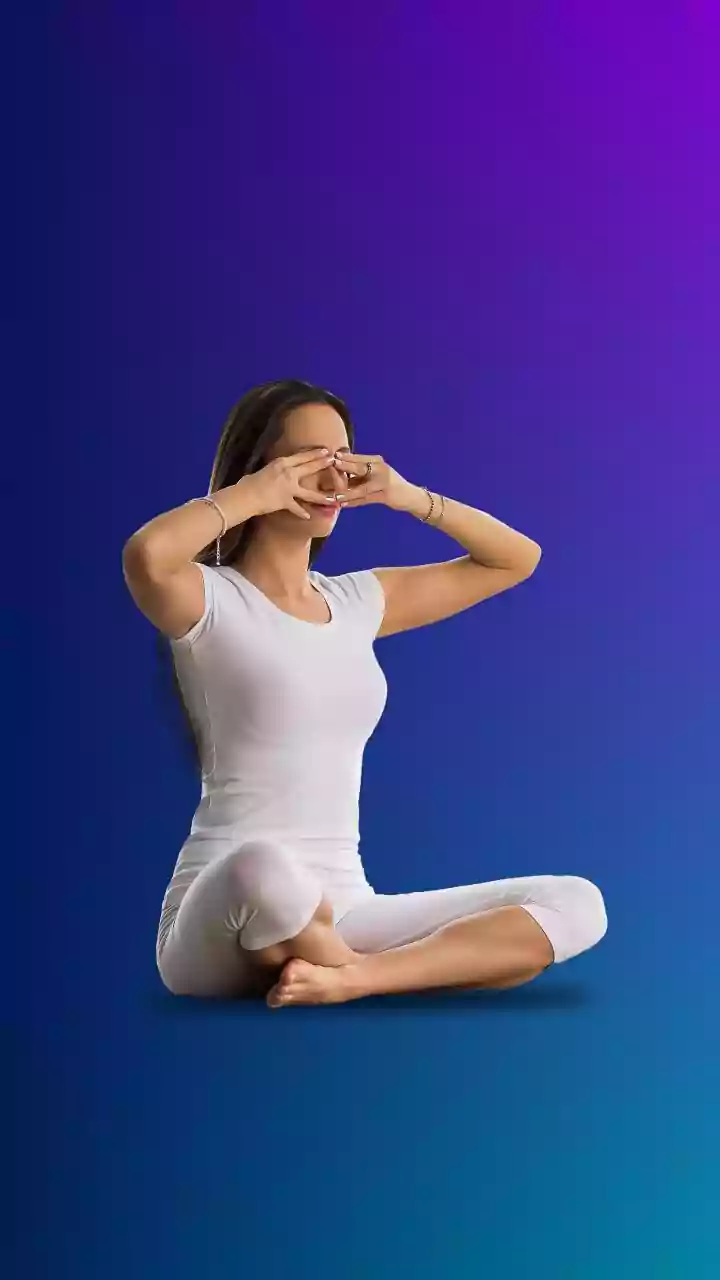
This pose should only be attempted by those who have already mastered Padmasana (Full Lotus) comfortably. To begin, sit in Padmasana with a straight spine. Place your hands on the floor in front of you. Engaging your core, lean forward onto your hands, lift your hips, and come to a standing position on your knees. From here, the control is paramount. Slowly and mindfully lower your elbows and then your entire torso to rest on the mat, leading with your chest and finally your chin. Once stable, you can bring your arms behind your back, either clasping your hands or attempting to hold opposite toes in the more advanced Baddha Padmasana variation. Hold the pose while breathing steadily, never to the point of pain. To exit, release the hands and use their support to gently push the torso back up, finally unwinding the legs with care.
Safety First: Who Should Avoid This Pose?
Gupta Padmasana is not suitable for everyone. It is crucial to listen to your body and avoid forcing the posture. Individuals with any pre-existing or recent injuries to the knees, ankles, hips, lower back, or shoulders should refrain from attempting it. The deep flexion and rotation can exacerbate existing issues. Similarly, it is contraindicated for pregnant women due to the pressure on the abdomen. Anyone suffering from sciatica should also avoid this pose, as it can potentially aggravate the sciatic nerve. If a full lotus is uncomfortable, practitioners can work with Ardha Padmasana (Half Lotus) to build flexibility gradually. The journey in yoga is personal, and progress should never come at the cost of safety.