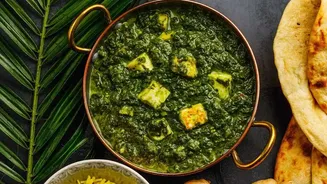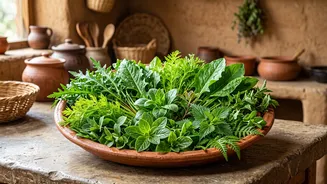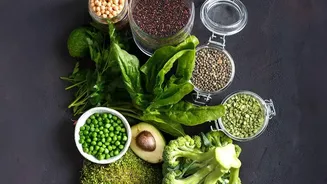




A quiet revolution is sprouting on India's finest plates. Once foraged for simple home meals, wild greens are now the stars of gourmet menus. But what's behind this shift from humble to high-end? It’s much more than just a passing food trend.
From Field to Fine Dining
For generations,
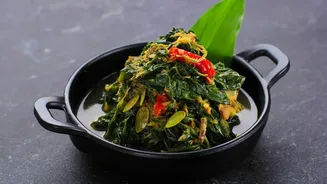
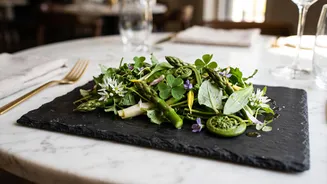
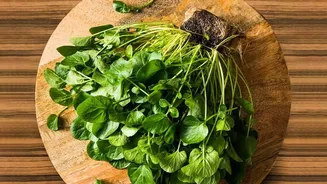
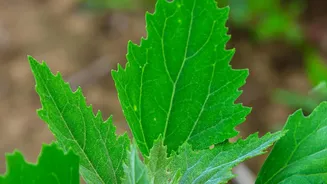
greens like bathua (pigweed), moringa (drumstick leaves), and poi saag (Malabar spinach) were staples in regional Indian kitchens, often foraged from backyards or fields. They were considered simple, everyday nutrition. Now, these very ingredients are appearing in a new context: the meticulously plated world of gourmet dining. Chefs are moving beyond the farm-to-table trend and venturing into 'forest-to-table', sourcing hyperlocal, wild, and indigenous ingredients that were once overlooked. This shift represents a re-evaluation of what constitutes a luxury ingredient, moving the focus from imported novelties to the unique, flavourful, and historically significant plants of our own land.
A Nutritional Powerhouse Rediscovered
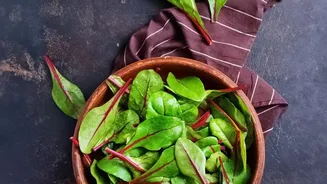
A major driver of this trend is the modern diner's obsession with wellness. These indigenous greens are nutritional powerhouses, aligning perfectly with the demand for plant-based, nutrient-dense foods. Bathua, for example, is packed with iron, fibre, and vitamins A and C. Moringa leaves are celebrated for containing more calcium than milk and significant amounts of protein and potassium. Amaranth leaves, or 'chaulai', are another excellent source of vitamins, protein, and essential minerals like iron and magnesium. In a world of processed foods, these greens offer a direct link to natural, potent nutrition that supports everything from gut health and immunity to bone strength.
The Flavour of the Land
For chefs, these greens are an exciting new palette of flavours and textures. They offer a sense of 'terroir' — the taste of a specific place — that cannot be replicated. Gongura brings a natural sourness to dishes, fiddlehead ferns offer a unique curl and bite, and kalmi (water spinach) has a mild sweetness. Avant-garde chefs like Prateek Sadhu and the late Thomas Zacharias have been pioneers, travelling to remote areas to work with local communities and foragers to bring ingredients like sea purslane and Himalayan berries to their urban restaurants. This isn't just about using a new vegetable; it's about crafting dishes that tell a story about a specific region, season, and landscape.
More Than a Meal: Reclaiming Heritage
Embracing wild greens is also an act of cultural preservation. Foraging has been a way of life in India for millennia, but this traditional knowledge is at risk of disappearing. By featuring these ingredients, chefs are not only diversifying their menus but also validating and preserving culinary heritage that was often dismissed as 'poor man's food'. This movement creates a valuable economic link, supporting tribal communities and small-scale farmers who are the custodians of this biodiversity. It’s a win-win: diners get to experience new and exciting flavours, while communities that have protected these food systems for generations find new respect and livelihood.
The Future is Green and Local
The rise of indigenous greens on gourmet menus marks a significant evolution in Indian cuisine. It reflects a growing confidence in our own culinary traditions and natural bounty. This trend challenges the longheld notion that luxury must be imported. Instead, it suggests that true luxury lies in scarcity, history, and a genuine connection to the land. As more diners seek out authentic and sustainable food experiences, the humble saag, once confined to home kitchens, is proving that it has a rightful place at the most esteemed tables, leading a delicious and meaningful revolution in what it means to eat well in India today.