






Understanding the Local API Launch
OpenAI has announced that its Application Programming Interface (API) will now be processed locally in India. This means that for eligible businesses and developers using models like GPT-6 Luna, the AI computations and data processing will happen on servers
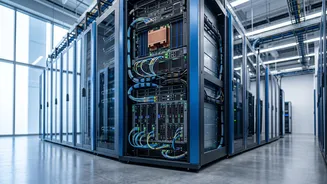
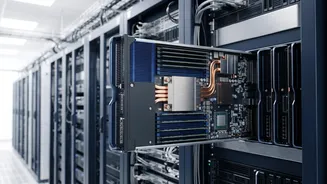
within the country. Previously, data might be sent to servers in other parts of the world. This local launch, part of the broader 'OpenAI for India' initiative, is a strategic move that builds on existing partnerships, including one with the Tata Group to develop domestic AI data centre capacity. The key change is the shift from just storing data in India to actively processing it here, a crucial distinction for many companies.
Why 'Local' Is a Game-Changer for India
The decision to process data locally is hugely significant for two main reasons: data sovereignty and performance. Many Indian businesses, especially in regulated sectors like financial services and banking, have been cautious about adopting AI because of strict mandates that require customer data to be processed and stored within India. This launch directly addresses that barrier, giving companies more control and helping them meet compliance requirements. Secondly, local processing reduces latency. With servers located closer to the user, API requests and responses are much faster, leading to a smoother and more responsive experience for applications built on the platform.
The Power of Text Summarisation
The headline highlights text summarisation for a good reason—it's one of the most powerful and immediate use cases for businesses drowning in information. An AI-powered summarisation tool can distill long documents, reports, emails, customer feedback, news articles, or legal contracts into concise and accurate summaries. This saves an enormous amount of time and resources. For example, a marketing team can quickly grasp the key findings from a 100-page market research report, or a customer service manager can get a summary of the day's support tickets to identify trending issues without reading each one. It turns information overload into actionable intelligence.
Beyond Summaries: Other Key Business Applications
While summarisation is a key feature, the API's capabilities extend much further. Indian businesses can now build sophisticated applications for a variety of needs. Customer service can be revolutionised with intelligent chatbots that understand context and provide helpful answers 24/7. Content creation for marketing, from social media posts to email drafts, can be automated and scaled. Data analysis becomes more accessible, as the API can help employees analyse complex information and generate insights. It can also assist developers by drafting code, speeding up development cycles and fostering innovation within tech teams.
Who Stands to Benefit Most?
The impact of this launch will be felt across the Indian business landscape. Startups and developers gain access to world-class AI tools with lower barriers to entry, allowing them to build and launch innovative products faster. Large enterprises, particularly in finance and healthcare, can now confidently deploy AI for mission-critical tasks while adhering to data regulations. The thriving IT services sector gets a powerful new tool to build custom solutions for their clients. According to Nitin Bawankule, Head of Enterprise for India at OpenAI, this move gives 'Indian developers and startups more scope to build for their own, and enterprise needs'.