








The Rise of the 'Skintellectual'
A new type of beauty consumer has emerged in India: the 'skintellectual'. This digitally-savvy individual doesn't just buy a product based on a popular brand name or fancy packaging. Instead, they are deeply invested in the science behind skincare. They
actively research ingredients, understand their benefits, and demand transparency from brands. It's a shift from being a passive consumer to an educated one who knows their niacinamide from their hyaluronic acid and wants to understand how each active ingredient works for their specific skin concerns. This focus on knowledge has empowered young people to build routines that are highly personalized and effective, moving beyond marketing hype to focus on data and results.
Social Media as a Beauty University
Much of this new-found knowledge comes from social media platforms like Instagram and YouTube. These platforms have become virtual classrooms where 'skinfluencers', dermatologists, and beauty creators break down complex topics, review products, and share their own extensive routines. For millions of young Indians, especially those in non-metro cities, social media has democratised access to beauty education. According to one report, a significant number of consumers discover new beauty products through Instagram Reels. This constant stream of authentic, user-generated content and expert advice builds trust and guides purchasing decisions far more effectively than traditional advertising ever could.
From Kitchen Remedies to Lab-Backed Actives
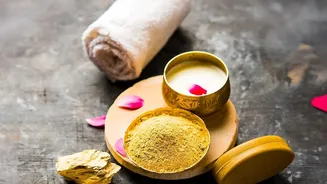
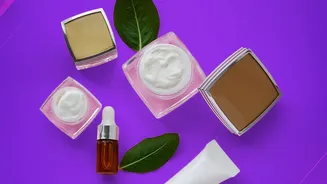
While traditional Indian beauty has always valued natural ingredients like turmeric and sandalwood, the focus has expanded dramatically. Today’s routines often blend the best of tradition with modern science. The new shelfie is less about DIY pastes and more about serums and creams formulated with potent, clinically-tested 'actives'. Ingredients like Vitamin C for brightening, peptides for anti-aging, and ceramides for barrier repair are now household names. This trend is also influenced by global phenomena like K-Beauty, which popularised multi-step, hydration-focused routines and introduced concepts like 'glass skin' to the Indian market.
A New Wave of Indian Brands
This consumer evolution has been met by a revolution in the market itself. A surge of homegrown, direct-to-consumer (D2C) brands have entered the scene, challenging legacy players. These digital-first brands are agile, tuned into the needs of young consumers, and built on transparency. They offer specialised products targeting specific concerns like pigmentation or acne, often at accessible price points. By leveraging e-commerce and social media, these brands have made advanced skincare available across the country, fuelling the trend and growing the market at an explosive rate.
More Than Just Skin Deep
Ultimately, this shift in beauty habits reflects a deeper cultural change. For many young Indians, an elaborate skincare routine is a form of self-care—a calming, daily ritual in an increasingly hectic world. It’s about investing time and effort in one's own well-being. This movement is also expanding beyond the face, with a growing focus on 'bodycare' using active ingredients for concerns like body acne or uneven texture. The goal is no longer just about looking good for an event, but about long-term skin health and 'skin longevity', a preventive approach that starts as early as one's 20s. It marks a move away from corrective treatments and towards a holistic, proactive vision of wellness.