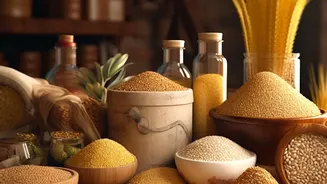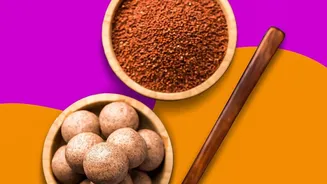





Have you noticed more millet-based dishes popping up on your favourite lunch menus? From ragi dosas to jowar salads, these ancient grains are making a modern comeback. This isn't just a fleeting trend; it's a shift driven by a powerful mix of factors.
A Major Push from the Top
One of the biggest drivers behind the millet revival is the strong backing from the Indian government. After India's proposal, the United Nations declared 2023 the 'International Year of Millets', catapulting the grain onto the global stage. Domestically, the government has rebranded millets as 'Shree Anna' or 'the mother of all grains', a name meant to signify their nutritional and sacred importance. This promotion is supported by concrete policies, including financial incentives for farmers, state-level millet missions in states like Odisha and Karnataka, and a push to include millets in public food programs. This top-down effort has created a positive environment, encouraging chefs and restaurateurs to experiment with and promote these versatile grains.
The Health-Conscious Consumer
Diners today are more health-conscious than ever, seeking food that is not just tasty but also nutritious. Millets fit this demand perfectly. They are a nutritional powerhouse—naturally gluten-free, high in protein, and packed with dietary fibre and essential minerals like magnesium and phosphorus. For a growing number of urban consumers, the low glycemic index of millets is a major draw, as it helps in managing blood sugar levels more effectively than refined grains like wheat and rice. Restaurants are responding to this by offering millet-based options that cater to diners looking for lighter, healthier, and more balanced meals to power through their workday.
A Sustainable and Climate-Smart Choice
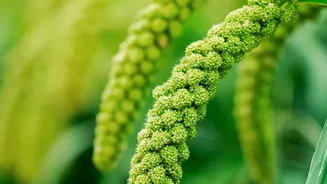
Beyond personal health, there's a growing awareness around the health of our planet, and millets score high on sustainability. These are hardy, climate-resilient crops that can thrive in arid conditions with significantly less water compared to rice and wheat. In a country facing water scarcity and the challenges of climate change, promoting crops that are less demanding on natural resources makes immense sense. By featuring millets, restaurants are not just offering a healthy option but also supporting a more sustainable agricultural system that is better for the environment and provides a secure livelihood for farmers in dryland regions.
A Playground for Culinary Creativity
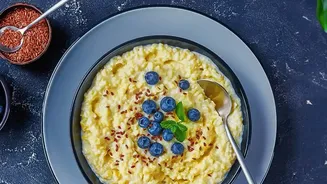
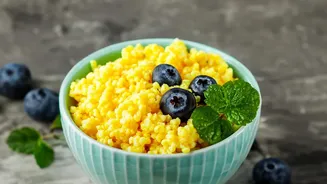
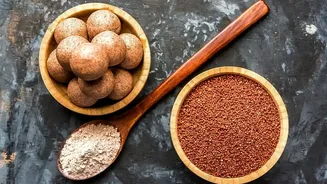
For a long time, millets were seen as humble, traditional food. But chefs across the country are now rediscovering their incredible versatility. Far from being boring, millets like jowar, bajra, ragi, and foxtail millet are being creatively incorporated into a wide range of dishes. You might find fluffy ragi pancakes for breakfast, a hearty bajra salad for lunch, or even jowar_based wraps and millet 'khichdi'. Chefs are transforming these grains into modern, appealing formats that excite the contemporary palate, from millet risottos to even brownies. This culinary innovation has been key to moving millets from the 'specialty health food' shelf to the mainstream lunch menu.
Good for Business
Ultimately, a menu change has to make business sense. Offering unique, healthy, and locally_sourced dishes gives restaurants a competitive edge. It attracts a discerning clientele willing to pay for quality and wellness. Furthermore, with government schemes promoting the entire millet value chain, from farming to processing, the supply and quality have become more consistent, making it easier for restaurants to source these grains. By aligning with the national narrative around 'Shree Anna', restaurants can tap into a powerful cultural and wellness trend, creating a win_win situation for their patrons, the farmers, and their own brand.