





The Promise of a Wider Plate
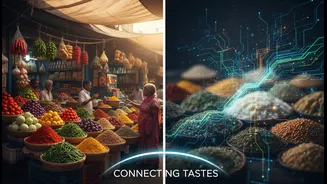
In many parts of India, particularly in rural areas, the internet is acting as a powerful tool for dietary improvement. The primary benefit comes from increased “nutritional literacy”. With a smartphone in hand, individuals can now access a global library
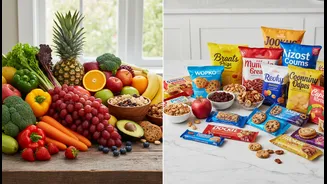
of health information, from the benefits of certain food groups to healthy cooking techniques. This access to knowledge can empower families to make more informed choices, moving beyond traditional, often carb-heavy diets. Furthermore, research shows that internet use can significantly boost dietary diversity. E-commerce platforms break down geographical barriers, allowing rural households to purchase a wider variety of foods, including fresh produce and animal-based proteins that might not be available locally. This ability to diversify the food basket is a crucial step in improving nutritional intake and overall health outcomes, offering a new pathway from food security to nutritional security.
The Urban Convenience Trap
While the internet offers the promise of knowledge, in urban India, it has also delivered a significant challenge: the explosion of online food delivery applications (OFDAs). Platforms like Zomato and Swiggy have redefined convenience, but this ease comes at a potential cost to public health. Studies focused on urban working adults and students show a strong correlation between frequent use of these apps and poorer diet quality. The primary driver is the overwhelming availability and promotion of fast food and calorie-dense, ultra-processed meals. A 2025 study of working adults in Ahmedabad found that fast food was the most ordered category, at a staggering 84.7%. While many users report trying to find healthier options, a majority find it difficult, often swayed by discounts, prominent visuals, and the sheer convenience of ready-to-eat meals that prioritize taste and price over nutritional value. This trend is a contributing factor to rising rates of obesity and lifestyle-related diseases in India's cities.
The Influence of the Digital Food Environment
Beyond delivery apps, a broader “digital food environment” is constantly shaping our choices. Social media platforms like Instagram and YouTube are filled with food-related content, from celebrity endorsements to influencer posts, that can trigger cravings and impulsive eating. Research indicates that young adults are particularly susceptible, with digital marketing for ready-to-eat foods and delivery apps having a significant association with higher BMI. This digital ecosystem creates powerful “behavioural nudges”—discounts, loyalty points, and targeted ads—that often guide consumers towards less healthy options. The phenomenon is a double-edged sword; while some influencers promote healthy eating, the pervasive marketing of junk food often drowns out these messages. This constant exposure normalises the consumption of unhealthy food, making it an integral part of the social and digital fabric for millions of young Indians.
A Tale of Two Digital Indias
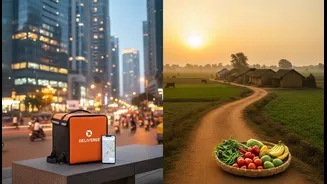
The impact of the internet on diet is not uniform; it is creating a tale of two Indias. In one narrative, a rural resident uses their phone to look up the benefits of millets and finds a new recipe, improving their family’s nutrition. In another, an urban student, stressed and short on time, orders a high-calorie burger and fries with a single tap. There is also a clear generational divide. Studies show that younger demographics, from Gen Z to young millennials, are far more influenced by food delivery apps and social media trends. Older adults, by contrast, tend to rely more on home-cooked meals and are less swayed by digital influencers. This bifurcation means that while connectivity can be a tool for empowerment and health education for some, for others it becomes a gateway to a diet dominated by convenience and unhealthy temptations. India is simultaneously experiencing the best and worst of what a digital food ecosystem can offer.