




Why We Crave the Canopy
The surge in rainforest travel isn't just about pretty scenery; it's a response to a modern need for authentic experiences. After years of digital saturation, many are seeking a 'nature reset'. Studies show that immersing ourselves in natural environments
can lower stress, reduce anxiety, and improve overall well-being. This isn't your typical fly-and-flop holiday. It’s about engaging all your senses, from the humid air and earthy scents to the chorus of unseen creatures. This type of travel, often falling under the umbrella of ecotourism, focuses on sustainability, cultural awareness, and contributing to conservation. Travellers no longer want to be passive observers; they want to feel that their presence has a positive impact, making rainforest lodges and community-run tours more popular than ever.
More Than Just a Walk in the Woods
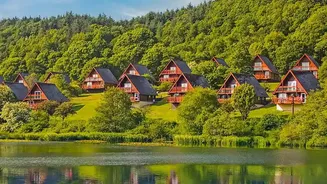
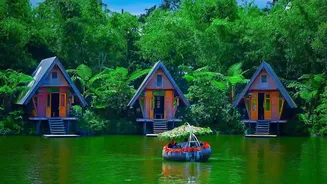
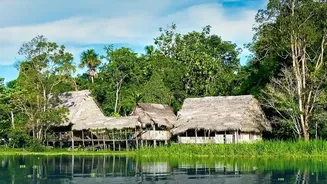
A rainforest escape offers a kaleidoscope of activities that go far beyond a simple trek. Imagine waking up in a sustainable eco-lodge to the sound of howler monkeys, embarking on a night safari to spot nocturnal wildlife, or learning about medicinal plants from an indigenous guide whose ancestors have walked the same paths for centuries. These trips are often built around personalised experiences, whether it's a privately guided hike to spot specific wildlife or a boat journey down a winding jungle river. It’s an opportunity for deep immersion, connecting not just with the environment but with the cultures that protect it. This form of tourism provides vital income to local communities, empowering them to become guardians of their ancestral lands and creating a powerful incentive for conservation.
The Amazon, South America: The Ultimate Epic
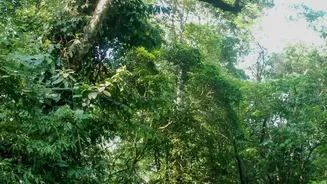
When you think 'rainforest', you likely picture the Amazon. Spanning nine countries, it is the world's largest tropical rainforest and a bucket-list destination for serious nature lovers. The sheer scale is breathtaking, offering unparalleled biodiversity. Travellers can base themselves in eco-lodges in Peru, Ecuador, or Brazil, venturing out on canoe trips to spot pink river dolphins, piranha fishing, and guided treks to find monkeys, sloths, and hundreds of bird species. The Amazon is ideal for the adventurous traveller who wants to feel truly remote and witness nature on its grandest scale. It’s a powerful reminder of what the planet stands to lose, making a visit both a privilege and a call to action.
Costa Rica, Central America: The Eco-Pioneer
Costa Rica has become a global benchmark for sustainable tourism. Despite its small size, the country is a biodiversity superstar, with over 25% of its land protected in national parks and reserves. This makes it incredibly accessible for rainforest adventures. Here, you can zip-line through the misty cloud forests of Monteverde, watch sea turtles nest on the shores of Tortuguero National Park, or hike to the base of the majestic Arenal Volcano. Costa Rica is perfect for families and first-time rainforest explorers, offering a well-developed infrastructure of eco-lodges and tour operators committed to the 'Pura Vida' (pure life) philosophy. The focus on conservation is deeply ingrained, ensuring your tourist dollars directly support the preservation of its natural wonders.
The Western Ghats, India: A Biodiversity Hotspot
Closer to home, the Western Ghats mountain range is a UNESCO World Heritage Site and one of the world's eight 'hottest hotspots' of biological diversity. These monsoon forests, stretching along India's west coast, are a treasure trove of flora and fauna, including many endemic species. National Parks like Silent Valley and Periyar in Kerala offer incredible opportunities for guided treks, bamboo rafting, and wildlife spotting, where you might see elephants, lion-tailed macaques, and the Malabar giant squirrel. Several eco-lodges and community-based tourism projects in the region allow travellers to experience the forest responsibly, ensuring that tourism benefits both the environment and the local communities who are its stewards.
Travel with Purpose
The beauty of the rainforest travel trend lies in its mindful approach. To be a responsible visitor, do your research. Choose tour operators and lodges with legitimate eco-certifications. Pack light and avoid single-use plastics. Always follow the guidance of local experts, especially concerning wildlife encounters—maintain a respectful distance and never feed the animals. Opt to buy local handicrafts and eat at local establishments to ensure your money directly supports the community. This conscious approach transforms a simple holiday into a meaningful exchange, benefiting both you and the destination.