




The Hidden Danger of Too Much Water
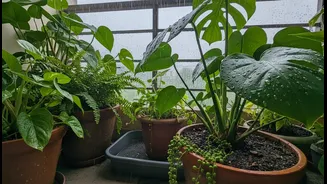
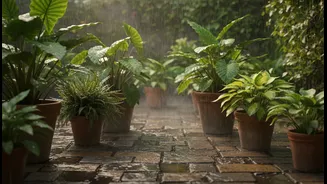
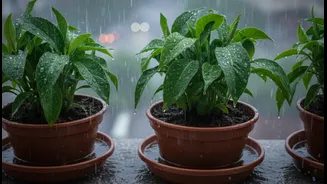
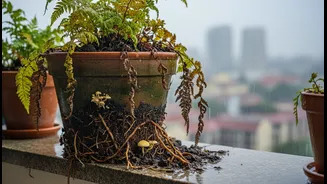
While rain feels like a blessing, it can be a curse for potted plants. Unlike plants in the ground, balcony containers have limited space and drainage. When it rains for days, the soil in these pots can become completely saturated, leaving no air pockets
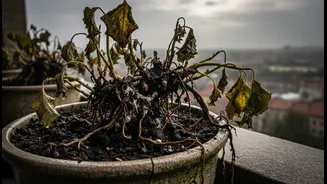
for the roots to breathe. This is the perfect recipe for root rot, a fungal disease that quickly turns healthy roots into a black, mushy mess. Constant wetness also encourages other fungal infections on leaves and stems, and can attract pests like fungus gnats that thrive in moist soil. Moreover, the constant flow of water can wash away, or leach, essential nutrients from the soil, leaving your plants starved despite being drenched.
How to Spot the Signs of Drowning
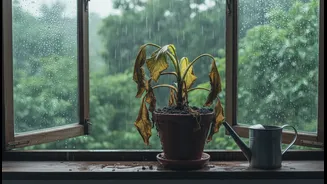
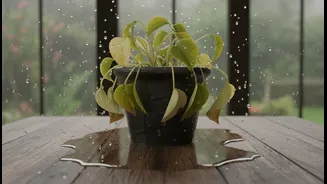
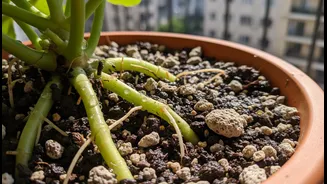
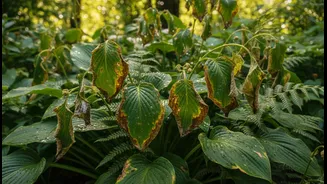
An overwatered plant often looks surprisingly like an underwatered one, which can confuse many gardeners. The most common sign is wilting, even when the soil is wet to the touch. This happens because the suffocating roots can no longer absorb water and nutrients to support the plant. Other key indicators include yellowing leaves, particularly the lower ones, that feel soft and limp rather than dry and crispy. You might also notice premature leaf drop, where both old and new leaves fall off. In advanced cases, you may see blisters on the leaves (edema), a mushy base, or even mould growing on the soil's surface.
Your Immediate Action Plan for Rainy Weeks
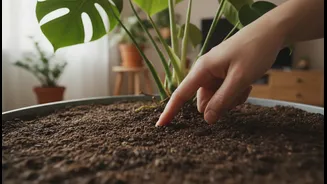
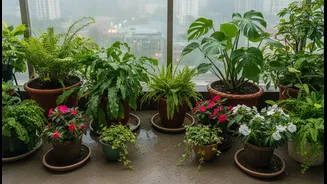
The moment you suspect overwatering, the first and most important step is to stop watering manually. Nature is providing more than enough. Next, assess the soil. Don't just trust the surface; stick your finger about two inches deep. If it feels damp, do not add more water. Ensure your pot's drainage holes are not blocked. If possible, move sensitive plants to a sheltered spot under an eave or awning to give them a break from the constant downpour. For pots sitting in saucers, empty the collected water immediately to prevent the plant from reabsorbing it. Elevating pots on bricks or 'pot feet' also dramatically improves airflow and allows water to escape freely.
Rethink Your Foundation: Soil and Pots Matter
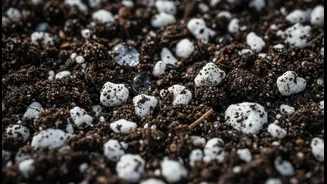
Long-term prevention is more effective than emergency rescues. Start with the right foundation. Avoid using heavy garden soil, which compacts easily and retains too much water in pots. Instead, use a well-draining potting mix specifically designed for containers. Look for mixes containing ingredients like perlite, coco peat, or coarse sand, which create air pockets and improve drainage. The type of pot also plays a role. Terracotta pots are porous and allow soil to dry out faster, making them a good choice for the rainy season. Regardless of material, always choose pots with multiple, clear drainage holes. Adding a layer of gravel at the bottom is a myth; it actually hinders drainage by raising the water table inside the pot.
A Monsoon Maintenance Checklist
Beyond watering, a few other habits can keep your balcony garden healthy during wet weather. Improve air circulation by spacing your pots out and pruning dense foliage or lower leaves that touch the soil. This helps prevent fungal growth. Hold off on fertilizing during periods of heavy rain, as the nutrients will likely just wash away and waterlogged roots can't absorb them anyway. Keep an eye out for pests like slugs and snails, which are more active in damp conditions. With these small adjustments, you can put down the watering can and let your plants enjoy the monsoon season without the risk of being over-loved.