






The Power of Protein and Fibre
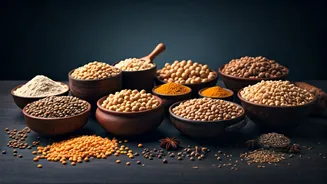
Before we dive into the meals, let's understand why this combination is so effective. Protein is the most satiating macronutrient, meaning it helps you feel fuller for longer compared to fats or carbohydrates. [3] It slows down digestion and triggers
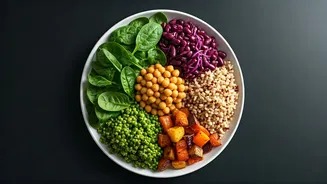
the release of hormones that signal satisfaction to your brain. [5] Fibre, found in whole grains, legumes, and vegetables, adds bulk to your meals without adding extra calories and also slows digestion. [5, 6] This powerful combination helps to stabilize blood sugar levels, preventing the sharp spikes and crashes that lead to cravings and afternoon fatigue. [3, 7]
Paneer Bhurji with Multigrain Roti
A beloved North Indian dish, Paneer Bhurji is a quick and flavourful scramble of Indian cottage cheese, onions, tomatoes, and spices. Paneer is an excellent source of protein, with a 100-gram serving providing around 18-21 grams. [8, 18] This makes it incredibly effective for muscle repair and keeping hunger at bay. [13, 24] The dish is low in carbohydrates and pairs perfectly with one or two multigrain rotis, which add essential fibre and complex carbs for sustained energy. A serving of this satisfying meal can provide roughly 20-25 grams of protein. [9, 11]
Chana Masala with Brown Rice
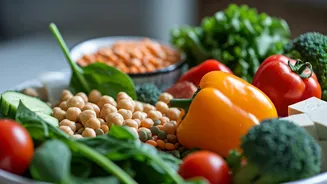
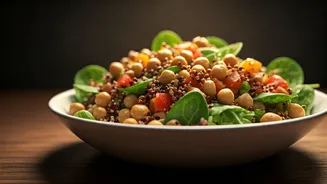
Chana Masala, a hearty curry made from chickpeas, is a staple in Indian households for a reason. Chickpeas are a fantastic source of plant-based protein and dietary fibre. [10, 24] A single cup of cooked chickpeas can contain around 15 grams of protein. [8] The fibre helps with digestion and promotes a feeling of fullness. [10] When you pair this flavourful curry with brown rice instead of white, you increase the fibre content even more. Brown rice is a whole grain that releases energy slowly, helping you avoid that post-lunch lethargy. This combination creates a complete and balanced meal. [9]
Mixed Dal Tadka with a Side Salad
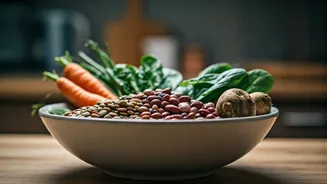
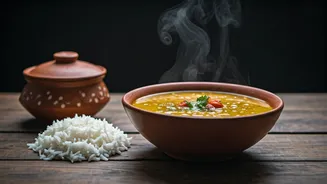
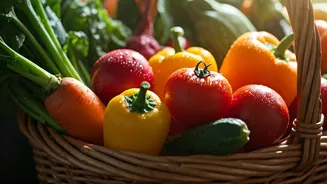
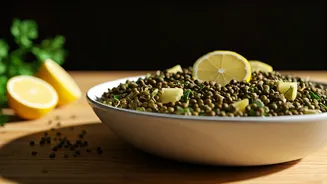
Lentils, or dal, are the cornerstone of Indian vegetarian cuisine and a protein powerhouse. A comforting bowl of mixed dal, using varieties like moong, masoor, and toor, can provide a substantial amount of protein and fibre. [8, 25] One cup of cooked lentils contains about 18 grams of protein. [10] The 'tadka' (tempering) of spices like cumin and garlic not only adds immense flavour but also aids digestion. To make this a complete meal, enjoy it with a simple kachumber salad (cucumber, tomato, onion) to add freshness, vitamins, and extra fibre.
Quinoa Pulao with Vegetables and Raita
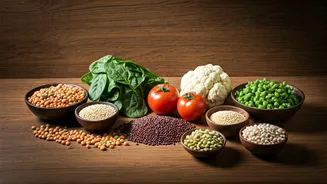
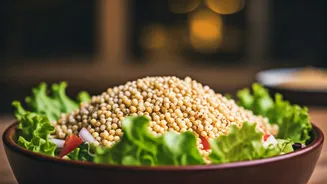
For a modern and incredibly nutritious option, a vegetable quinoa pulao is an excellent choice. Quinoa is a complete protein, meaning it contains all nine essential amino acids that our bodies cannot produce on their own. [20, 24] It's also gluten-free and packed with fibre. [21] Loading the pulao with vegetables like carrots, peas, and beans further boosts its fibre and vitamin content. [23] Served with a side of cucumber raita (yogurt dip), you add a dose of probiotics for gut health and even more protein. [24]
Soya Keema with Pav
Soya granules, or textured vegetable protein, are one of the most potent sources of plant-based protein available. Styled into a 'keema' curry, this dish mimics the texture and satisfaction of the traditional meat version. Soya is a complete protein and provides a significant protein boost to your meal. [20] Cooked with onions, tomatoes, ginger, garlic, and a blend of Indian spices, it's both delicious and incredibly filling. Serve it with whole-wheat pav (bread rolls) for a lunch that will power you through the most demanding afternoons.