







The Problem with Post-Meal Sitting
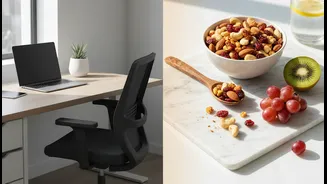
Many of us finish a meal and immediately return to a desk, slump onto a sofa, or continue a long commute. This inactivity, especially after eating, can be detrimental. When you sit for prolonged periods, your large leg muscles are inactive, which can slow
down your body's ability to regulate blood sugar and insulin after meals. This habit can lead to slower digestion, causing discomforts like bloating and gas. Over time, this pattern of post-meal inactivity can contribute to more serious metabolic issues, as it allows blood sugar levels to remain elevated for longer periods. Breaking these long stretches of sitting is crucial for long-term health, and a post-meal walk is one of the easiest ways to do it.
The Power of a Post-Meal Walk
The science is clear: walking after a meal is remarkably effective. When you walk, your muscles use glucose from your bloodstream for energy. This action helps to lower your blood sugar levels, preventing the sharp spikes and subsequent crashes that can leave you feeling tired. Research shows that even a short walk of just two to five minutes can have a noticeable impact. Multiple studies have found that short walks after each main meal can be more effective for 24-hour glucose control than one single, longer walk. This simple habit helps improve your body's sensitivity to insulin over time, which is a key factor in preventing chronic conditions like type 2 diabetes.
Improve Your Digestion Naturally
If you often feel heavy or bloated after eating, a gentle stroll might be the perfect remedy. Movement stimulates your digestive system through a process called peristalsis, which involves wave-like muscle contractions that move food through your gut. Sitting or lying down can compress the abdomen and slow this process down. A light walk helps to speed up digestion and can significantly reduce symptoms like gas, bloating, and that uncomfortable feeling of fullness. Studies have shown that a 10 to 15-minute walk after meals can lead to a noticeable reduction in these gastrointestinal complaints.
More Than Just Physical Benefits
The advantages of a post-meal walk extend beyond blood sugar and digestion. Taking a short break to move can work wonders for your mental state. Light physical activity is a known stress-reducer, helping to lower cortisol levels and promote a sense of calm. It offers a moment to clear your head, especially after a heavy lunch during a busy workday, which can improve focus and prevent that afternoon energy slump. A walk after dinner can also aid in regulating your body's internal clock, potentially leading to better sleep quality. It's a simple way to incorporate a moment of mindfulness and gentle activity into your daily routine.
How to Make It a Habit
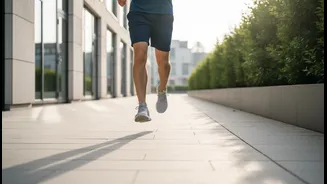
Starting is simple. You don't need a long or strenuous workout. Aim for a 10 to 15-minute walk at a comfortable, gentle pace. The best time to start is within 10 to 30 minutes of finishing your meal, as this is when it can be most effective for managing blood sugar. If you experience any discomfort, you can wait a few minutes before starting. The key is consistency. Try starting with just one walk a day, perhaps after lunch at the office or after dinner with your family. If you can't get outside, even walking around your home or office is beneficial. The goal is to make this a regular, enjoyable part of your routine, not another chore.