




The Weekly Fruit Dilemma
We’ve all been there. You return from the grocery store with a beautiful haul of fresh fruit, full of healthy intentions for the week ahead. But reality often bites back. The soft, juicy peaches you planned for Thursday are already bruised by Monday night,
and the berries you envisioned for a weekend treat have started to grow fuzz. On the other flip side, waiting for that firm avocado to yield can feel like an eternity. This cycle of fruit ripening too fast or too slow is a common source of food waste and can derail even the best-laid meal plans. The secret isn't just to buy produce, but to buy it strategically, with a clear understanding of its lifecycle.
Understanding the Ripening Clock
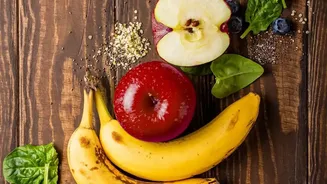
The key to mastering your fruit bowl is a plant hormone called ethylene gas. Some fruits, known as 'climacteric' fruits, produce ethylene and continue to ripen after being picked. Think of bananas, avocados, peaches, pears, and tomatoes. This gas doesn't just ripen the fruit that produces it; it also accelerates ripening in any ethylene-sensitive produce nearby. That's why placing an unripe avocado in a paper bag with a banana can speed things up—the bag traps the ethylene gas produced by the banana. Other fruits, called 'non-climacteric', like berries, grapes, and citrus, do not ripen significantly after being harvested. They will soften and eventually rot, but they won't get sweeter. Understanding this distinction is fundamental to your shopping strategy.
The Art of Staggered Selection
The most effective strategy for ensuring you have perfectly ripe fruit all week is to buy produce in varying degrees of ripeness. Instead of grabbing a bunch of uniformly yellow bananas, pick a bunch that has a few yellow ones for now, and a few that are still greenish for later in the week. The same logic applies to avocados and stone fruits like peaches or plums. Select one or two that are soft and ready to eat, a couple that are firm but have a slight give for mid-week, and one or two that are still quite firm for the end of the week. This 'staggered' approach ensures you have a continuous supply of ready-to-eat fruit without everything becoming overripe simultaneously.
Smart Storage to Control Time
Once you get your strategically selected fruit home, where you store it is crucial. To slow down ripening, refrigeration is your best friend. For fruits like apples, berries, and ripe stone fruit, the cold temperature of the fridge will preserve them for longer. Importantly, keep your ethylene-producing fruits (apples, ripe bananas, avocados) separate from your ethylene-sensitive ones (like berries or leafy greens) to prevent premature spoilage. If you need to speed things up, place firm fruit on the counter at room temperature. As mentioned, trapping them in a paper bag, especially with an apple or banana, will concentrate the ethylene and accelerate the process.
Using Every Stage: No Fruit Left Behind
Even with the best planning, you might end up with fruit that's past its prime for eating fresh. But overripe doesn't mean unusable. In fact, the ripening process converts starches into sugars, making older fruit much sweeter. Those brown, spotty bananas are the undisputed champion of banana bread and smoothies for this very reason. Mushy peaches, plums, or berries can be cooked down into a delicious jam, a sauce for pancakes, or a base for a fruit crisp or cobbler. On the other end of the spectrum, underripe fruit also has its place. Firm, starchy green bananas are high in resistant starch, which is great for gut health. Underripe, firm peaches or nectarines are fantastic for grilling, as they hold their shape well under heat.