



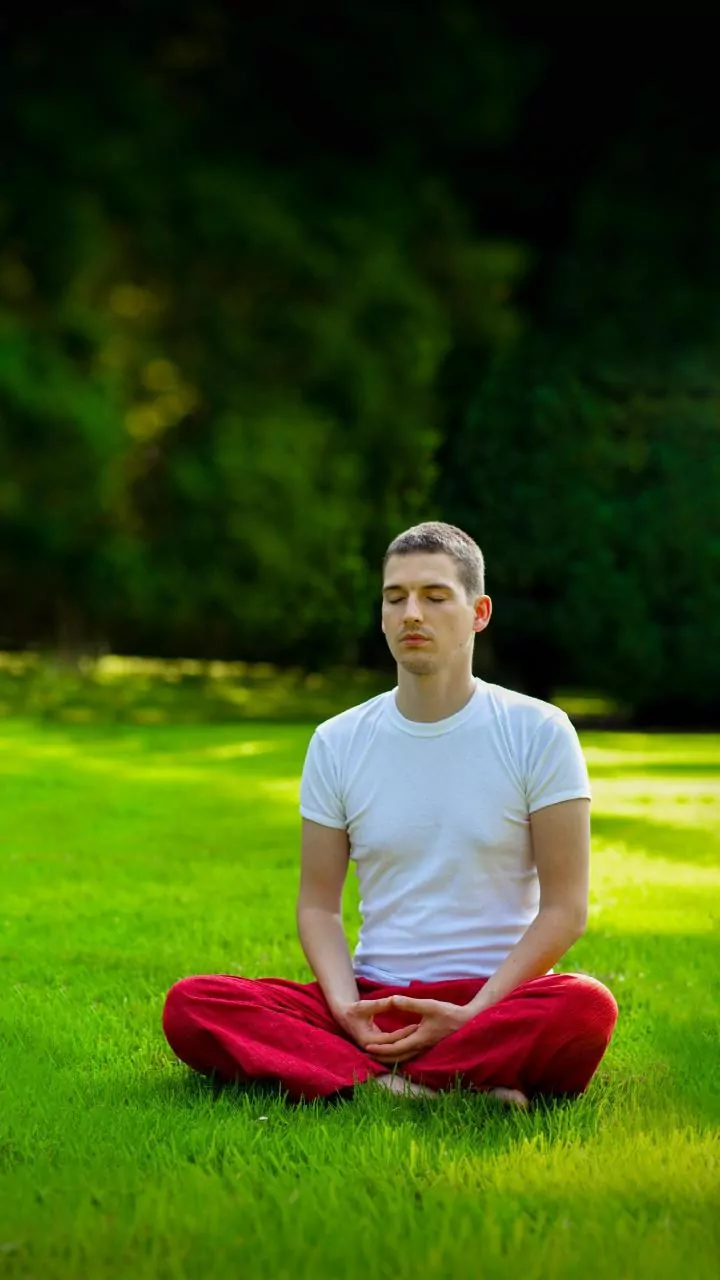



What Is Breath Awareness, Really?
At its core, breath awareness is the simple practice of paying attention to your natural breath as it moves in and out of your body. It is not about controlling your breath or performing a special breathing exercise; it's about observation without judgment.
Think of it as anchoring your attention to something your body is already doing. You can practice it anywhere, whether you're sitting, standing, or lying down. The goal is simply to notice the physical sensations of breathing. This act of focused attention is the foundation of many mindfulness practices, helping to gently pull you into the present moment.
The Goal Is Not an Empty Mind
The single biggest myth that discourages beginners is the idea that you must 'clear your mind' of all thoughts. This is not only unrealistic but also misses the point. Your mind is designed to think, and thoughts will inevitably arise. The practice is not about stopping your thoughts, but about noticing when your mind has wandered and gently guiding your attention back to your breath. Each time you notice you've been distracted and return to the breath, you are succeeding. This process of returning, again and again, is the 'exercise' in mindfulness. It’s about building a new relationship with your thoughts, where you are the observer rather than a participant swept away by them.
Your First Simple Practice
Ready to try? You don’t need any special equipment, just a few minutes. Find a comfortable position, either sitting in a chair with your feet on the floor or lying down. You can close your eyes or soften your gaze toward the floor. Begin by simply bringing your attention to your breath. Don't try to change it. Just notice the air entering your body and leaving it. Pay attention to the physical sensations: the coolness of the air entering your nostrils, the gentle rise and fall of your chest or belly. Your mind will wander. When it does, just acknowledge where it went—to a to-do list, a memory, a sound—and then gently, without frustration, guide it back to the feeling of your breath. Start with just three to five minutes.
What You Might Actually Experience
Your first few sessions might not feel like a wave of pure bliss, and that's perfectly normal. Many beginners experience a range of feelings. You might feel restless or agitated, finding it difficult to sit still. Sleepiness is also incredibly common, especially if you're sleep-deprived. It's also normal to feel bored or even irritated. You might find yourself judging the experience, wondering if you're 'doing it right' or feeling like it's not working. These are not signs of failure; they are part of the process. The practice is to notice these feelings of restlessness, doubt, or sleepiness with the same non-judgmental awareness you bring to your breath.
Common Hurdles and How to Navigate Them
Several common obstacles can pop up. Many people struggle with finding time. The key is to start small—even a few minutes count—and try linking the practice to an existing habit, like before your morning coffee or after you brush your teeth. Physical discomfort can also be a distraction. If you’re uncomfortable, feel free to adjust your posture. Another major hurdle is the feeling of 'grasping' or wanting a specific outcome, like instant relaxation. The paradox of mindfulness is that relaxation is often a byproduct, but striving for it can create more tension. The best approach is to let go of expectations and simply focus on the process of showing up and paying attention.
The Subtle Shifts You'll Notice Over Time
While immediate calm isn't guaranteed, the long-term benefits are well-documented. With consistent practice, you may notice a significant reduction in feelings of stress and anxiety. This happens as you activate the body's natural relaxation response and regulate stress hormones. Many people report improved focus and concentration in their daily lives. You might also find you have better emotional regulation, becoming less reactive to life's ups and downs. Other reported benefits include better sleep, enhanced immune response, and even reduced blood pressure. These changes come gradually, reinforcing that breath awareness is a practice for long-term well-being, not a quick fix.