



Beyond the Breakfast Cereal Box
For many, breakfast is the most predictable meal of the day, often rotating between a handful of staples. While convenient, this routine stands in stark contrast to the sheer variety found on breakfast plates across India. Here, breakfast isn't a single
concept; it's a dynamic, regional, and seasonal affair that changes from one state to the next, and even from one household to another. It’s a culinary landscape shaped by local agriculture, climate, and culture, offering a spectrum of flavours, textures, and ingredients that go far beyond a simple slice of toast. This isn't about glorifying one food culture over another, but about exploring the immense and often overlooked world of Indian 'naashta'.
A Journey Through the South
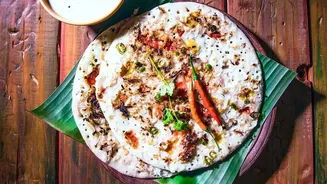
In South India, breakfast is often a masterful play on fermented rice and lentil batters. The iconic idli, a soft, steamed cake, is light, easy to digest, and a perfect vehicle for flavourful sambar and coconut chutney. Its counterpart, the dosa, is a thin, crispy crepe that can be served plain or stuffed with a spiced potato mixture (masala dosa). But the variety doesn't end there. Kerala offers soft, lacy appams, often paired with a fragrant vegetable stew, and puttu—steamed cylinders of rice flour and coconut served with a hearty chickpea curry. These dishes are not just delicious; the fermentation process can make them rich in probiotics and easier on the digestive system.
Hearty Mornings in the North
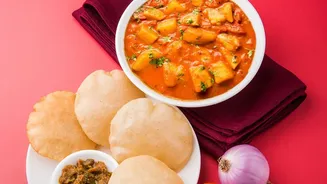
As you move north, breakfasts become heartier, designed to provide sustained energy. Punjab is famous for its parathas—unleavened flatbreads stuffed with everything from spiced potatoes (aloo paratha) to paneer or radishes, often served with a dollop of butter, curd, and tangy pickles. Another popular weekend indulgence is chole bhature, featuring fluffy, deep-fried bread served with a spicy chickpea curry. In cities like Indore, you'll find a beloved combination of savoury poha (flattened rice) seasoned with spices and onions, often enjoyed alongside sweet, syrupy jalebi. These meals are robust, flavourful, and deeply satisfying.
Flavours of the West and East
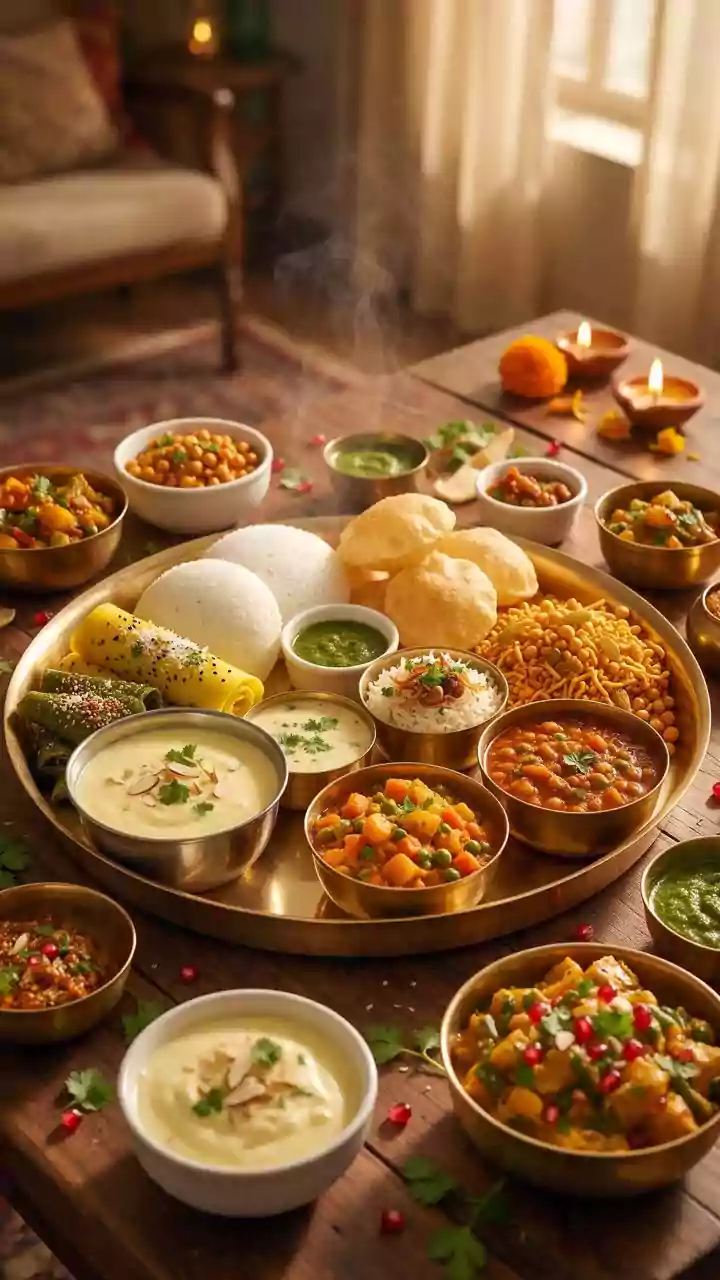
Western India presents its own unique breakfast profile. In Gujarat, you'll find thepla, a soft, spiced flatbread made with whole wheat flour and fenugreek leaves, and dhokla, a spongy, steamed cake made from a fermented batter of gram flour. Maharashtra's go-to breakfast is often poha, prepared with a light touch of turmeric, mustard seeds, and curry leaves. Heading east, Bengali cuisine offers luchi, a delicate, deep-fried puffy bread, typically paired with a spicy potato curry known as aloo dum. In Assam, a common breakfast is 'jolpaan', which consists of various forms of rice like flattened or puffed rice, often mixed with curd and jaggery.
More Than Just a Meal
The diversity of Indian breakfasts is not just about taste, but also about nutrition and tradition. Many of these dishes are inherently balanced, combining carbohydrates, proteins, and fibre. Lentil-based batters in dosas and chillas provide plant-based protein, while the addition of vegetables to dishes like upma and poha adds essential vitamins and minerals. The use of spices like turmeric and cumin isn't just for flavour; they also bring their own health benefits. These meals evolved over generations, making use of local, seasonal ingredients long before modern wellness trends. They represent a form of culinary wisdom that balances nourishment with flavour.