


A Perfect Recipe for Stargazing
What makes Langza so special for watching the stars? It’s a combination of three key factors that create a perfect celestial theatre. First is its staggering altitude of around 14,500 feet. Being so high up means there is less of Earth's atmosphere for the starlight
to travel through, resulting in a sharper, clearer view of the cosmos. Second is the near-total absence of light pollution. Far from any major city, the village is shrouded in a profound darkness that allows even faint celestial objects to shine brightly. Finally, Spiti Valley's cold desert climate ensures dry air and over 250 clear nights a year, meaning clouds rarely spoil the show, especially between late spring and autumn.
From Natural Wonder to Official Destination
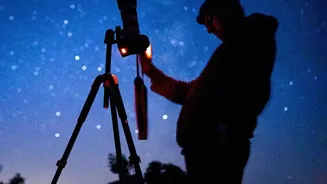
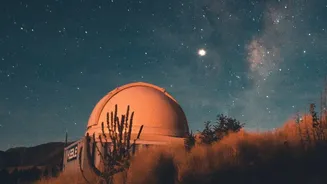
Langza’s reputation is no longer just word-of-mouth. In a significant push for astro-tourism, the Himachal Pradesh government recently launched an initiative to empower local communities. As part of this program, high-end, computerized telescopes have been distributed to trained local entrepreneurs in Langza and nearby villages like Kaza and Rangrik. The goal is to create a sustainable tourism model where local guides, including homestay owners, can offer professional, guided stargazing sessions for visitors. This effort aims to blend science with culture, turning the region's pristine skies into a source of livelihood for the tribal community and cementing Spiti's place on the global astrotourism map.
What You Can See in the Spiti Sky
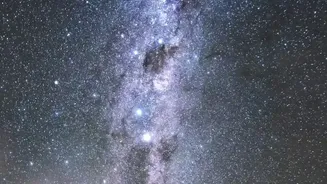
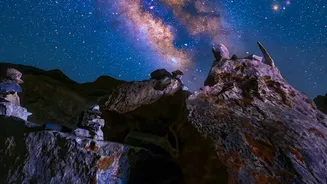
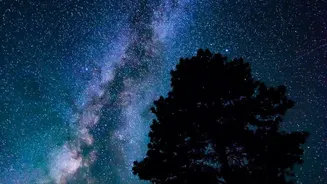
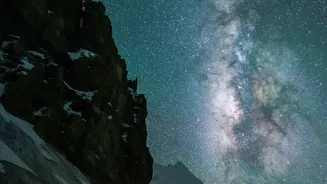
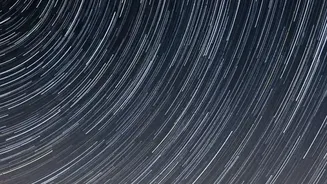
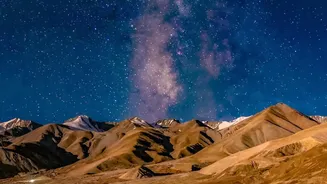
For visitors, the experience is nothing short of magical. On a clear, moonless night, the Milky Way galaxy is often visible to the naked eye, appearing as a luminous, sprawling river of stars across the sky. The view is so intense that it often stops first-time visitors in their tracks. Beyond our own galaxy, it’s possible to spot planets, constellations with remarkable clarity, and even meteor showers. The dramatic landscape, including the iconic Langza Buddha statue, provides a stunning foreground for astrophotographers, who flock here to capture long-exposure shots of the cosmos. With the new guided sessions, even amateurs can learn to identify celestial bodies and appreciate the universe in a whole new way.
Planning Your Celestial Pilgrimage
A trip to Langza requires planning. The best time to visit for stargazing is from May to October, with the peak months of July through September offering the clearest views of the Milky Way. Reaching Langza involves a long drive, typically through Kaza, the main town in Spiti Valley. Accommodation is primarily in the form of warm, welcoming homestays, which offer an authentic experience of Spitian culture and hospitality. However, the most critical piece of advice is to acclimatize properly. The sudden jump to high altitude can cause acute mountain sickness (AMS), so it is essential to spend a few days adjusting to the lower oxygen levels before heading to Langza. Slow travel is not just recommended; it's necessary for a safe and enjoyable trip.
More Than Just a Starry Night
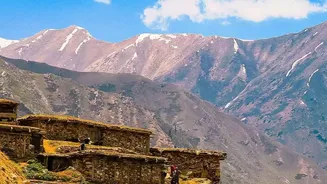
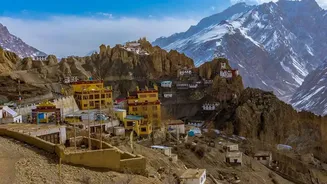
While the night sky is the main draw, Langza's daytime charm is equally compelling. The village is famously known as the 'Fossil Village of Spiti' because the surrounding lands are rich with marine fossils and ammonites, remnants of the ancient Tethys Sea that existed here millions of years ago. Visitors can often find these geological treasures while exploring the area. The colossal golden Buddha statue, which watches over the valley, is another major landmark, offering a sense of peace and tranquility against the stark, beautiful mountain backdrop. This blend of natural history, spiritual serenity, and celestial wonder makes Langza a uniquely fulfilling destination.