



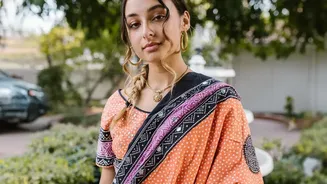

From Heirlooms to High Street
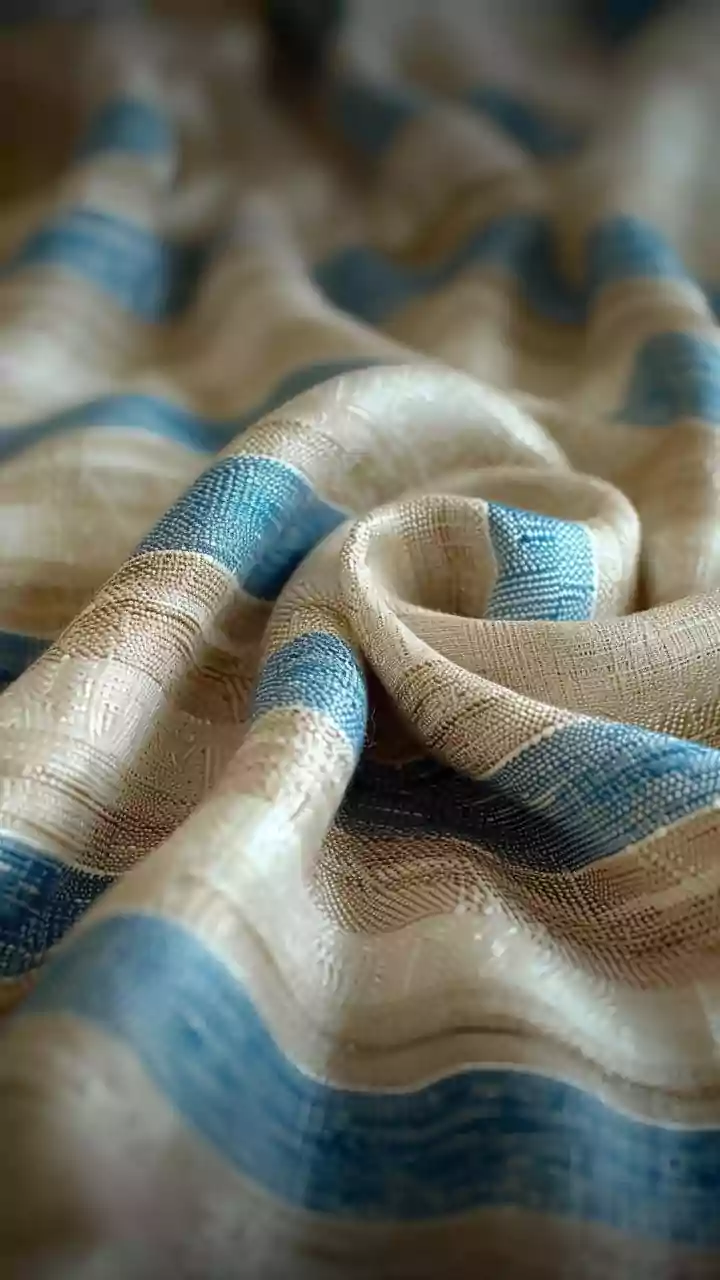
The fusion of heritage textiles with modern, global silhouettes is reshaping Indian fashion. Imagine a classic Ikat weave, known for its blurred, geometric patterns, not on a sari, but on a relaxed-fit bomber jacket. Or picture Khadi, the hand-spun and hand-woven
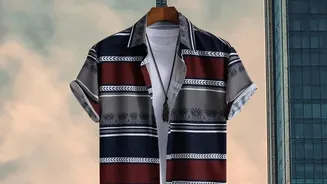
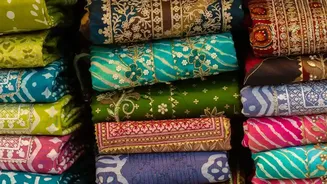
fabric symbolic of India's freedom movement, tailored into joggers and oversized shirts. This is the new aesthetic being championed by a wave of designers and brands popular with Gen Z. They are taking textiles like Jamdani, Chanderi, and Ajrakh block prints and applying them to streetwear staples. The result is a style that feels both deeply personal and globally relevant, moving these treasured crafts from the occasional festive outfit into everyday self-expression.
A Revolt Against Fast Fashion
A significant driver of this trend is Gen Z's growing disillusionment with the mass-produced, disposable nature of fast fashion. This generation demonstrates a heightened awareness of a garment's lifecycle, demanding transparency, ethical production, and environmental responsibility from the brands they support. Handloom production, with its minimal carbon footprint, use of natural fibres, and reliance on human skill over resource-intensive machinery, aligns perfectly with these values. Choosing a handwoven piece is a conscious act of slowing down. It represents a vote for quality over quantity and for supporting artisan communities directly, a narrative that resonates deeply with a generation that wants their purchases to tell a meaningful story.
Weaving a Modern Identity
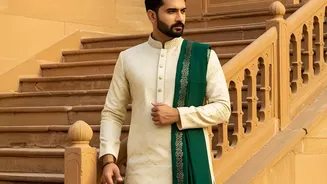
For many young Indians, this trend is about more than just sustainability; it's about identity. Gen Z is engaging with its heritage on its own terms, not as something inherited, but as something to be actively discovered and reinterpreted. They are moving away from the idea that traditional textiles are old-fashioned or difficult to wear. Instead, they see these fabrics as a way to signal individuality and cultural awareness. In a world of globalised trends, a handloom garment offers something unique and story-driven. Brands are finding that younger consumers are deeply interested in the provenance of their clothes—the story behind the fabric and the artisan who made it is as important as the style itself.
The Brands Leading the Charge
Several brands are at the forefront of this neo-traditional movement. Labels like NorBlack NorWhite have built their identity on mixing Indian artisanal textiles with global street culture, collaborating with weaver clusters to infuse handloom into contemporary silhouettes. Farak creates a difference by redefining heritage through hand-block printing and handspun fabrics in streetwear forms. Others like Johargram focus on showcasing the specific crafts of regions like Jharkhand in ethical streetwear. These brands are not treating handloom as a museum piece; they are making it vibrant, relevant, and expressive for a new generation that values authenticity. By blending traditional craftsmanship with modern aesthetics, they are finding success both at home and abroad.
Styled and Shared on Social Media
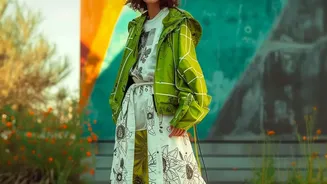
The rise of this trend cannot be separated from the influence of social media. Platforms like Instagram are the primary way Gen Z discovers new products and brands. It's here that the visual appeal of handloom streetwear comes to life. Influencers and content creators showcase how to style a Khadi jacket with sneakers or layer an Ajrakh-print shirt over a graphic tee, making the look feel accessible and cool. This digital ecosystem allows the stories of artisans and the unique textures of the fabrics to reach a global audience, levelling the playing field for smaller, story-driven labels and helping them connect with a generation hungry for authenticity.