





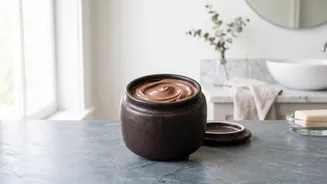
The idea of smoothing a rich, decadent chocolate mask over your skin sounds like the ultimate self-care treat. But before you indulge, it’s crucial to know that not all chocolate masks are created equal—and how you use them matters.
The Real Skin Benefits of Cocoa
The main appeal of
a chocolate face mask lies in its key ingredient: cocoa. High-quality, dark cocoa is packed with antioxidants, particularly flavonoids. These powerful compounds help protect the skin by neutralizing free radicals, which are unstable molecules that can damage skin cells and accelerate signs of aging. Some studies suggest the antioxidants in cocoa can help repair cell damage, reduce inflammation, and even improve skin hydration and circulation. Additionally, cocoa contains minerals like zinc and magnesium, which are essential for skin health and collagen formation. While many benefits are linked to eating dark chocolate, topical application is thought to provide some of these antioxidant and anti-inflammatory perks directly to the skin.
Choose Your Chocolate Wisely
When selecting a chocolate mask, or making your own, the type of chocolate is critical. Steer clear of sugary milk chocolate or chocolate syrups. The added sugars and milk solids offer no real benefit and can potentially irritate the skin or clog pores. Instead, look for products formulated with dark cocoa powder or raw cacao. Dermatologists recommend using dark chocolate with a cocoa content of 70% or higher to get the maximum antioxidant benefits. If you're going the DIY route, pure, unsweetened cocoa or cacao powder is your best bet. Mixing it with simple, calming ingredients like plain yogurt or aloe vera can create a beneficial paste without the risks of processed sugars and oils.
The Golden Rule: Always Patch Test
This is the most important step before trying any new face mask, chocolate or otherwise. A patch test helps determine if your skin will have an allergic reaction or irritation to the product. To perform a patch test, apply a small, coin-sized amount of the mask to a discreet area of skin. Good spots include the inside of your elbow, behind your ear, or on the underside of your jaw. Leave the product on for the recommended duration of the mask, typically 10-15 minutes, before rinsing. However, some experts suggest waiting at least 24 to 48 hours to see if a delayed reaction occurs. Look for any signs of redness, itching, swelling, or burning. If you experience any of these symptoms, wash the area immediately and do not use the mask on your face.
How to Use Your Mask for Best Results
Once you've successfully patch-tested the mask, you're ready for a full application. Start with a clean, dry face. Using your fingertips or a clean mask brush, apply an even layer of the chocolate mask, avoiding the delicate eye and mouth areas. Let the mask sit for the time specified on the product's packaging, usually around 10 to 15 minutes. Don't let it dry completely to the point where it's cracking and tight, as this can be dehydrating. To remove, rinse your face thoroughly with lukewarm water, gently massaging in circular motions to loosen the mask. Pat your skin dry with a soft towel and follow up with your usual serum and moisturizer to lock in hydration. To avoid over-exfoliating or causing irritation, it's best to limit use to once or twice a week.
Potential Risks and What to Watch For
While cocoa offers benefits, DIY and even some store-bought masks come with potential downsides. Natural ingredients can still be irritating or cause allergic reactions. For those with acne-prone skin, it's important to be cautious. While some sources claim chocolate masks can help with acne due to their anti-inflammatory and antibacterial properties, other ingredients mixed in, especially in homemade concoctions, could be comedogenic (poreclogging). Applying masks with unclean hands or tools can also introduce bacteria to the skin, potentially leading to breakouts. If you have sensitive skin, eczema, or active acne, it's always wise to be extra careful and perhaps consult a dermatologist before introducing a new, active treatment into your routine.