


From Forgotten Grain to Superfood Star
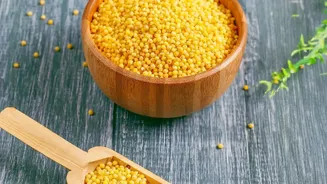
For generations, millets like jowar (sorghum), bajra (pearl millet), and ragi (finger millet) were staples in the Indian diet. They were the hardy, reliable grains of semi-arid regions, requiring less water and fewer inputs than wheat and rice. However,
the Green Revolution, while crucial for food security, shifted focus heavily onto high-yielding varieties of rice and wheat, pushing millets to the sidelines. They became stereotyped as 'the poor man's grain', their consumption declining steeply over decades. But today, that narrative is being completely rewritten. Urban India is rediscovering these ancient grains, not as a food of scarcity, but as a modern superfood packed with nutritional benefits.
A Nationwide Push For 'Shree Anna'
A significant catalyst for this resurgence was the Indian government's successful campaign to have the UN declare 2023 the 'International Year of Millets'. This initiative, supported by over 70 countries, created a massive wave of awareness both domestically and globally. Branding millets as 'Shree Anna'—the mother of all grains—the government launched numerous schemes to promote their cultivation, processing, and consumption. This policy push helped formalize the millet market, encouraging farmers and food producers to invest in the value chain, from farm to fork. The result was a spike in interest and a renewed sense of national pride in these indigenous crops.
Health Consciousness Drives a Shopping Revolution
At the heart of the millet comeback is a profound shift in consumer priorities. Modern Indian shoppers, especially in urban centers, are more health-conscious than ever before. They are actively seeking out foods that are gluten-free, rich in protein and fiber, and have a low glycemic index to manage lifestyle diseases. Millets tick all these boxes. Studies show that health benefits are the primary motivation for consumers trying millets, with many willing to replace rice and wheat if healthier alternatives are accessible. This demand for 'clean labels' and nutritious staples has moved millets from niche health food stores to the mainstream grocery aisle.
Startups and FMCG Giants Make Millets Cool
The real game-changer in shopping habits has been product innovation. Two years ago, millets were mostly found in flour form. Today, supermarket shelves are filled with an astonishing variety of ready-to-eat and ready-to-cook millet products. Agile startups like Slurrp Farm and Wholsum Foods have led the charge, creating everything from millet-based breakfast cereals and pancake mixes to noodles and cookies. This has solved a major barrier for busy consumers: convenience. Following their success, large FMCG players like ITC, Tata Consumer Products, and even PepsiCo have entered the fray, launching millet versions of popular snacks and staples, such as Kurkure Jowar Puffs and Saffola Masala Oats with ragi and bajra. This has made millets not only accessible but also appealing to a mass audience, including children.
A New Look on Supermarket Shelves
Walk into any major supermarket today, and the change is palpable. Millets are no longer hidden away. Instead, they occupy dedicated sections with sleek, modern packaging. The market for millet-based packaged foods in India has seen explosive growth, rising over 20-fold between 2020 and 2025. Retailers are expanding their offerings to include dozens of new millet products, from dosa batters to energy bars. While challenges like premium pricing and taste perception remain, the sheer availability and variety have fundamentally altered the shopping experience. What was once a specialty item is now a regular part of the weekly grocery list for a growing number of Indian households.