








The Rise of the Micro-Walk
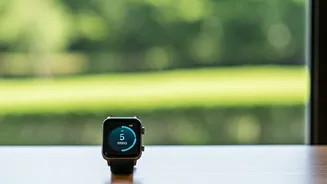
If your social media feed is a mix of green juices and high-intensity interval training, you might have noticed a gentler trend gaining traction. Dubbed 'micro-walks' or 'exercise snacks,' the concept is simple: take short, five-minute walking breaks
throughout the day. This trend is a direct response to the 'all-or-nothing' fitness culture that can feel intimidating and unsustainable. Instead of demanding a full hour at the gym, the five-minute walk is about integrating movement into your existing routine. It's a small, achievable promise you can make to yourself, whether you’re working from home or in an office, breaking the cycle of prolonged sitting that defines modern life for many. The appeal lies in its simplicity and the removal of barriers—no special clothes, equipment, or significant time commitment required.
Small Steps, Big Health Benefits
Don't let the short duration fool you; the science behind these mini-walks is robust. One of the most significant benefits is improved blood sugar regulation. Studies show that a short walk after a meal can help moderate blood sugar levels, preventing the sharp spikes and crashes that can lead to fatigue and increase the risk of type 2 diabetes over time. In fact, research suggests that taking a five-minute walk every half hour can significantly lower both blood pressure and blood sugar compared to sitting all day. These short bursts of activity also work to counteract the negative effects of a sedentary lifestyle, which is linked to a higher risk of cardiovascular disease and other chronic conditions. By regularly breaking up periods of sitting, you improve circulation and keep your metabolism engaged.
A Boost for Your Brain and Mood
The benefits of a five-minute walk extend far beyond the physical. Movement, even in small doses, is a powerful tool for mental well-being. Taking a brief break to walk can significantly improve your mood, reduce feelings of fatigue, and help manage stress by lowering levels of the stress hormone cortisol. Studies have shown that even short walks can increase happiness, attentiveness, and confidence. This mental reset is crucial for productivity and focus. Getting up and moving increases blood flow to the brain, which can enhance cognitive functions like planning, memory, and multitasking. Instead of reaching for another cup of coffee to beat the afternoon slump, a quick stroll can provide a natural and sustainable energy boost, leaving you feeling more refreshed and focused for the tasks ahead.
How to Make It a Habit
Incorporating five-minute walks into your day is about making movement an easy choice. One of the most effective strategies is 'habit stacking'—linking your walk to an existing daily routine. For example, decide to walk for five minutes immediately after you finish a meal, end a work call, or send a big email. Setting a timer to go off every hour can also serve as a simple reminder to get up and move. Forget the idea that a walk needs a destination or special gear. Simply strolling around your office floor, walking around the block, or even pacing in your living room counts. The goal is consistency, not intensity. By making the practice as frictionless as possible, you're more likely to stick with it until it becomes an automatic part of your day.