




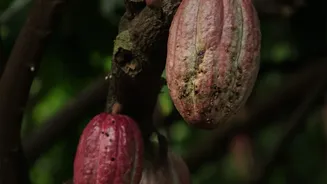

The Dawn of Indian Craft Chocolate
For decades, chocolate in India was synonymous with large corporations and sugary, nostalgic bars. The idea of a luxury Indian chocolate often meant one brought back from a trip abroad. But that landscape is changing dramatically. A burgeoning 'bean-to-bar'
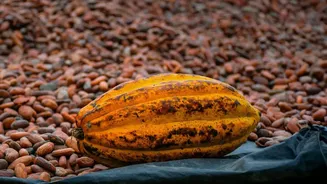
movement is taking hold, driven by a growing consumer demand for quality, transparency, and local products. At the heart of this shift is single-origin cacao, where beans are sourced from a specific farm or region, allowing their unique flavour profile—or 'terroir'—to shine through. This is a world away from blended, mass-market cacao, offering complex notes of fruit, flowers, or spice influenced by the soil and surrounding crops.
South India: The Epicentre of Cacao
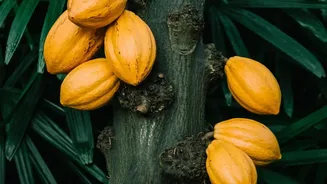
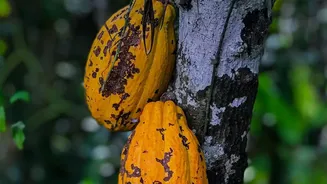
While India isn't a global cacao powerhouse, it is the leading producer in Asia, with the majority of its cultivation centred in the southern states of Kerala, Tamil Nadu, Karnataka, and Andhra Pradesh. The lush, biodiverse regions, like the Idukki hills in Kerala or the foothills of the Anamalai mountains, provide an ideal climate for cacao to thrive, often intercropped with coconut, pepper, and banana. This practice of growing multiple crops together not only supports biodiversity but also subtly influences the cacao's final flavour. Artisans are now tapping into this potential, creating chocolates that tell the story of a specific place.
Profiles in Passion: The Artisan Chocolatiers
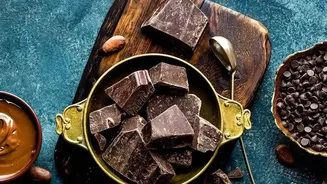
Several brands have become pioneers in this space. Auroville-based Mason & Co, for instance, works exclusively with organic certified farms in South India and employs an all-female team of local artisans to craft its chocolate by hand. Then there is Soklet, India's first tree-to-bar brand, which grows its own cacao on pesticide-free farms in the Anamalai foothills, ensuring complete control from the farm to the final product. Others, like Coimbatore’s Chitra’m Craft Chocolates, focus on reinterpreting traditional Indian flavours, creating nostalgic yet modern delicacies that have won global awards. These businesses are not just making chocolate; they are building a new identity for Indian cacao on the world stage.
A Sweeter Deal for Farmers
This craft movement offers a significant benefit that extends beyond the consumer: it creates a more sustainable and profitable ecosystem for farmers. By working directly with artisans and small brands, farmers can often secure much higher prices for their beans compared to selling to large multinational corporations. The focus on quality fermentation and drying processes, which are crucial for developing flavour, allows farmers to add value to their crop. Some brands even put the farmers' names on their packaging, giving them recognition and connecting consumers directly to the source of their food. This direct trade model fosters transparency and ensures that the people growing the cacao are fairly compensated for their skilled work.
Challenges on the Path to Premium
Despite the growing excitement, the path for these artisanal businesses is not without its hurdles. One of the biggest challenges is consumer education. After decades of a palate shaped by sweet, mass-produced chocolate, artisans must teach customers to appreciate the nuanced, often less sweet, flavours of high-quality dark chocolate. There are also logistical issues like unreliable cold chains and inconsistent ingredient sourcing. Furthermore, competing with the marketing budgets and brand recognition of international giants remains a constant battle for these small-scale entrepreneurs. Yet, the passion for the craft and the growing appreciation for authentic, locally-made products continue to drive the market forward.