
The Legend of a Hero
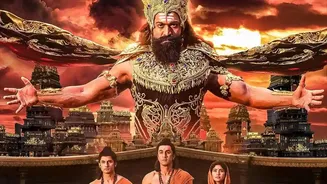
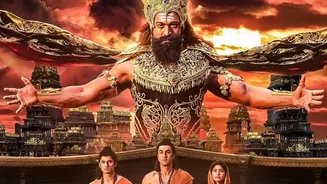
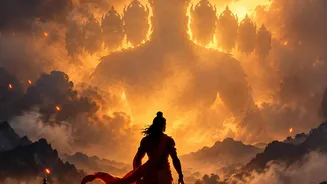
Jatayu, a demigod in the form of a vulture, was an old friend of King Dasharatha, Lord Rama's father. While Rama, Sita, and Lakshmana were in exile in the Dandaka forest, Jatayu promised to watch over Sita. True to his word, when he heard Sita’s cries
as the demon king Ravana abducted her in his flying chariot, Jatayu did not hesitate. Despite his age, he confronted the powerful Ravana in a fierce aerial battle. He fought with all his might, but Ravana ultimately clipped his wings with his sword, causing the noble bird to fall to the earth, mortally wounded. Before he died, he was found by Rama and Lakshmana, to whom he narrated the details of Sita's abduction, providing the crucial first lead in their search. In his grief, Rama performed Jatayu's final rites, granting him moksha (salvation) as he would for his own father.
Chadayamangalam, Kerala: A Monumental Tribute
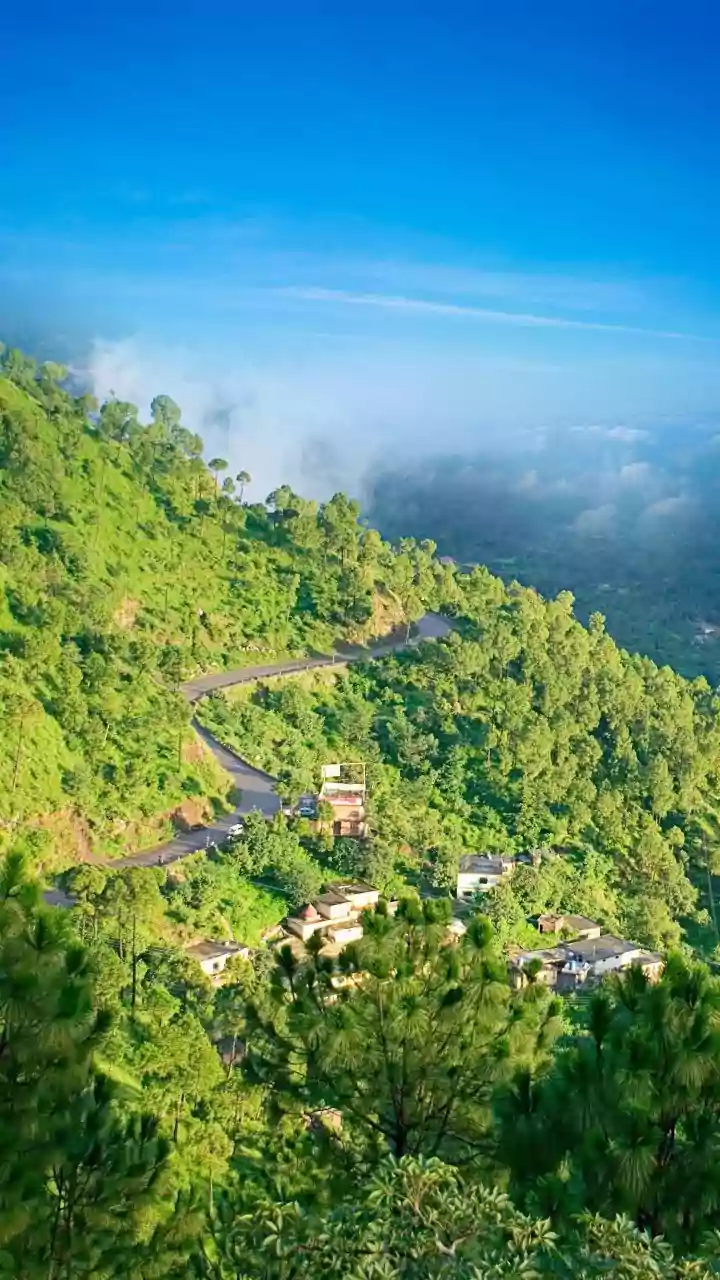
Perhaps the most famous site associated with Jatayu is Chadayamangalam in Kerala’s Kollam district. Local belief holds that this is the rocky hilltop, now known as Jatayupara, where the wounded Jatayu fell. The name of the town itself is said to have evolved from 'Jatayumangalam'. Today, it is home to the Jatayu Earth's Center, a tourism destination that features the world's largest bird sculpture. Designed by filmmaker and sculptor Rajiv Anchal, the colossal concrete statue is 200 feet long, 150 feet wide, and 70 feet tall, depicting Jatayu lying on his back, wings spread in his final moments. The sculpture is not just a monument but a functional building housing a museum and a 6D theatre. Visitors can reach the summit via a cable car and will also find a small temple, a footprint believed to belong to Lord Rama, and a pond that, according to legend, formed from the strike of Jatayu’s beak.
Lepakshi, Andhra Pradesh: Where a Hero was Told to Rise
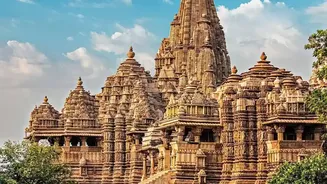
Another prominent location in the Jatayu trail is Lepakshi in Andhra Pradesh. According to this region's tradition, this is where Jatayu fell after his battle with Ravana. The name 'Lepakshi' is popularly believed to have come from Lord Rama’s words to the dying bird: 'Le Pakshi,' which means 'Rise, bird' in Telugu. The village is famous for the 16th-century Veerabhadra temple, a marvel of Vijayanagara architecture. Within the temple complex and on a nearby hillock, pilgrims can find markers of the legend, including a large, modern sculpture of Jatayu. This site offers a rich blend of mythology, history, and architectural splendour, making it a key stop for those tracing the Ramayana's path.
The Final Rites: Sites of Sanctity
While the battle and fall have their own sacred geography, the locations associated with Jatayu's last rites are also deeply revered. Several places lay claim to this solemn event. In Tamil Nadu, the Vijayaraghava Perumal Temple in Thiruputkuli, near Kanchipuram, is believed to be where Rama performed the funeral rites. The temple's name is linked to the words for 'bird' (pul) and 'pit' (kuzhi), and it features a sacred water tank called 'Jatayu Theertham'. Another temple in Tamil Nadu, near Kumbakonam, is also known as a 'Jatayu Moksha Sthalam'. In Maharashtra, near Nashik, the Sarvatirth Jatayu Mandir in Taked is another site. Local belief here holds that Rama created a spring with his arrow to quench the thirst of the dying Jatayu. This multitude of sites across different states highlights the deep and widespread cultural impact of Jatayu's story across India.