

Bridging the Convenience Gap
In our fast-paced lives, convenience is king. Packaged foods and quick takeaways are designed for speed, while traditional, wholesome ingredients like pulses, grains, and vegetables are often seen as time-consuming. This 'convenience gap' isn't about
the ingredients themselves, but our approach to them. The long soak times for chickpeas or the slow simmer for a perfect dal can seem daunting. However, the secret to making these nutritional powerhouses a daily habit isn't about finding more hours in the day; it's about acquiring skills and context to make the cooking process faster and more intuitive. People with cooking skills are more likely to make healthier food choices and eat less convenience food.
Think in Components, Not Just Recipes
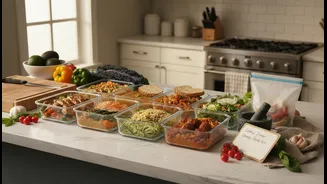
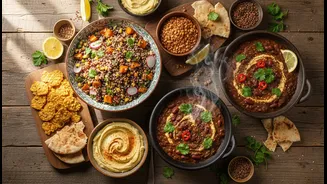
Instead of thinking about cooking one specific dish from start to finish, try thinking in components. This is the cornerstone of making your kitchen work for you. At the beginning of the week, spend an hour creating a few versatile bases. Cook a large batch of plain dal, boil a few potatoes, or prepare a simple grain like brown rice or millets. You can also make a big jar of a basic onion-tomato masala. These ready-to-go components can be stored in the fridge and quickly assembled into different meals throughout the week. Today’s plain dal can become a flavourful dal tadka tomorrow with a simple tempering of spices. Those boiled potatoes can be turned into a quick aloo sabzi or added to a vegetable stir-fry. This approach saves immense time and mental energy on busy weekdays.
Embrace Your Pressure Cooker
The pressure cooker is perhaps the most underrated tool for modern convenience in an Indian kitchen. What takes an hour to simmer on the stove can be cooked to perfection in a fraction of the time under pressure. It drastically cuts down the cooking time for most pulses and beans, often by more than half. Chickpeas can be ready in about 15-20 minutes, and lentils in even less time. This high-heat, high-pressure environment not only saves time and fuel but also helps in retaining more nutrients and intensifying flavours. Learning the right water ratios and whistle counts for different ingredients can turn this humble appliance into your greatest ally against the clock.
The Smart Soak
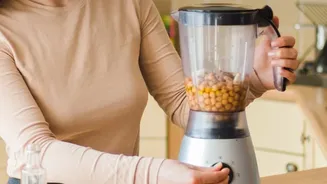
Soaking is a crucial step for many pulses and even some grains, but it doesn't have to be a rigid, overnight-only process. Soaking rehydrates dried legumes, which reduces cooking time and can make them easier to digest. While an overnight soak is ideal, a 'quick soak' method also works wonders. Simply cover your beans or chickpeas in water, bring them to a rolling boil for a few minutes, then turn off the heat and let them stand for an hour. After that, you can drain them and cook as usual. Understanding this gives you flexibility; you can decide in the afternoon that you want to have chana masala for dinner and still make it happen without a full 12-hour soak. For things like lentils and split peas, no soaking is required at all.
Vegetables Without the Work
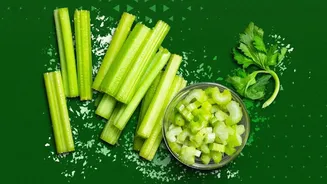
The thought of washing, peeling, and chopping a variety of vegetables can be enough to make you reach for a packet of chips. Here, a little prep goes a long way. When you bring vegetables home, wash and chop some of the hardier ones like carrots, bell peppers, and cabbage and store them in airtight containers. Grating is another fast alternative to chopping for things like carrots or zucchini. For leafy greens, wash and dry them thoroughly before storing. On busy nights, you can simply grab a handful for a quick stir-fry or sabzi. Don't discount frozen vegetables, either. They are picked at peak freshness and are already chopped and ready to be thrown into a pan, making them a perfectly healthy and convenient option.