




The Earthy Embrace of the Rains
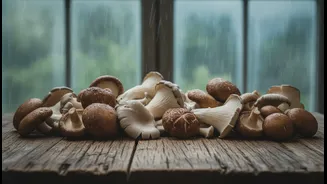
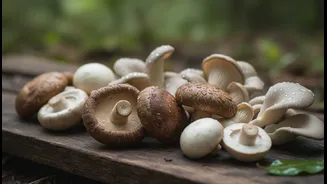
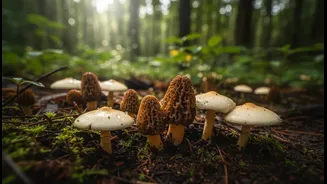
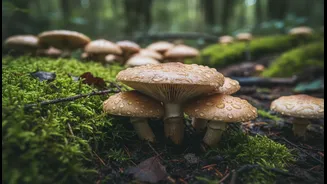
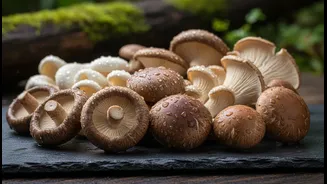
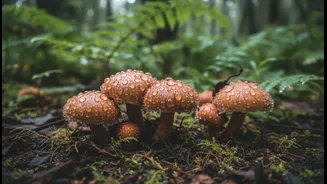
There's a natural connection between mushrooms and the monsoon. The damp, humid weather creates the perfect conditions for fungi to thrive, not just on farms but also in the wild. This seasonal abundance includes everything from the familiar button and oyster
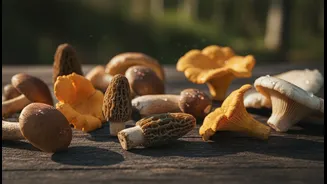
mushrooms to rare, foraged delicacies that appear for only a few weeks a year. In regions like Goa, the arrival of wild 'olmi' mushrooms, which grow on termite mounds, is a celebrated culinary event. Similarly, Jharkhand has its 'rugda', and the Nilgiris have their 'marakallan' or tree mushrooms. This seasonal magic, combined with their deep, umami flavour, makes mushrooms synonymous with the cosy indulgence of a rainy day.
A Nutritional Powerhouse
Beyond their satisfying taste, mushrooms are a nutritional powerhouse, making them a smart choice for the monsoon when immunity can be low. They are packed with protein, fibre, B vitamins, and antioxidants like selenium. These nutrients help bolster the immune system, guarding against common rainy-season illnesses like colds and flu. Low in calories and fat, they are also excellent for heart health and weight management. While some old advice suggests avoiding mushrooms in monsoon due to potential bacterial growth in damp soil, nutritionists now agree that as long as they are sourced from reliable vendors and cooked thoroughly, they are perfectly safe and beneficial to eat.
From Tandoor to Stir-Fry
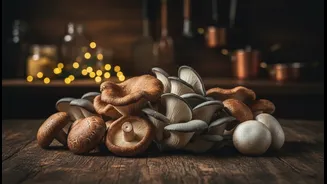
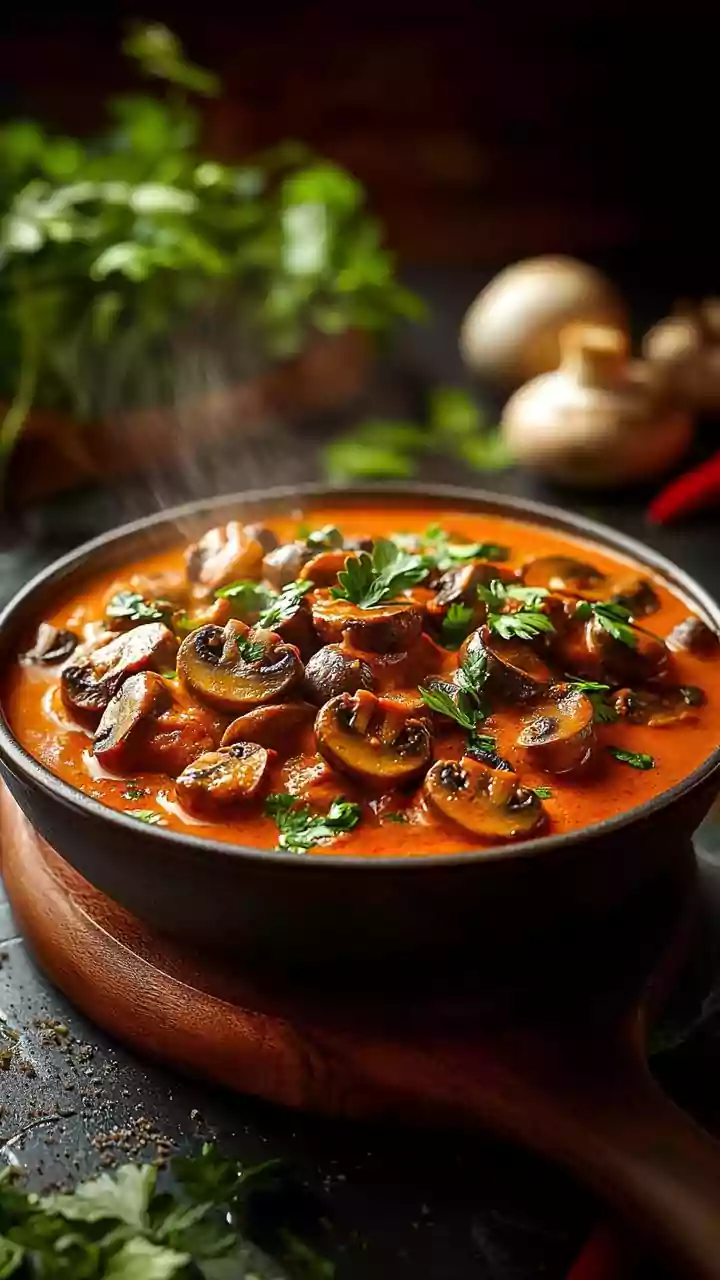
The true victory of the mushroom lies in its incredible versatility. Indian kitchens and restaurant chefs are showcasing this adaptability in a dazzling array of dishes. Classic comfort foods like creamy Mushroom Kurma, spicy Chettinad mushroom gravy, and hearty Kadai Mushroom are monsoon staples. For a quick and flavourful bite, a peppery Mushroom Pepper Fry is hard to beat. Chefs are also getting creative, using mushrooms in innovative ways. You might find Grilled Mushroom Skewers on a monsoon barbecue menu, a rich mushroom soup topped with crunchy 'murukku', or even mushrooms used as a modern, earthy filling for a dosa. The meaty texture of varieties like portobello and shiitake also makes them a popular substitute in dishes traditionally made with chicken or mutton, such as the famous Goan mushroom xacuti.
The Chef's Seasonal Darling
Top chefs across the country are putting mushrooms at the heart of their special monsoon menus. They are celebrating not just the flavour but also the story behind foraged and seasonal varieties. In Mumbai, one restaurant's tasting menu features rare Gucchi mushrooms from Kashmir, elevated with millet miso. In Goa, restaurants eagerly await the brief olmi season to prepare authentic local delicacies like 'olmi tonak' and chilli fry that are impossible to replicate the rest of the year. This focus from high-end kitchens highlights the mushroom's status as a premium, seasonal ingredient, driving the trend and inspiring home cooks to experiment.
A Word on Wild Mushrooms
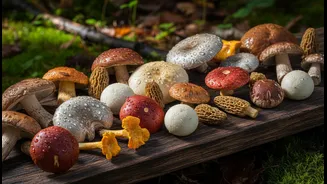
The allure of wild, foraged mushrooms is strong, but it comes with a critical word of caution. Many poisonous mushroom varieties look strikingly similar to edible ones, and consuming the wrong kind can lead to severe illness. The tradition of foraging is best left to tribal communities and local experts who have passed down knowledge through generations. For the everyday food lover, the safest and most responsible way to enjoy this monsoon bounty is to purchase mushrooms, whether cultivated or wild, from trusted and reliable sources. Always ensure they are fresh, stored properly, and washed and cooked well before eating.