






The Big Picture: More Than Just a Flight
When planning a holiday in India, it’s easy to focus on the headline expense: the flight to your primary destination. However, the sheer scale of the country means that transportation is not a single line item, but a continuous thread running through
your entire trip. A realistic budget must account for inter-city trains or buses, local taxis and autorickshaws, and maybe even a second or third domestic flight. These costs add up. Transportation is often the largest single expense on an India tour, surpassing even accommodation. A two-week trip can involve multiple modes of travel, from an overnight train journey that saves on a hotel room to a last-minute cab that costs more than expected. Ignoring these cumulative costs is the fastest way to find your travel fund shrinking much faster than anticipated.
The Dynamic Pricing Dilemma
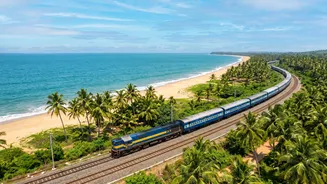
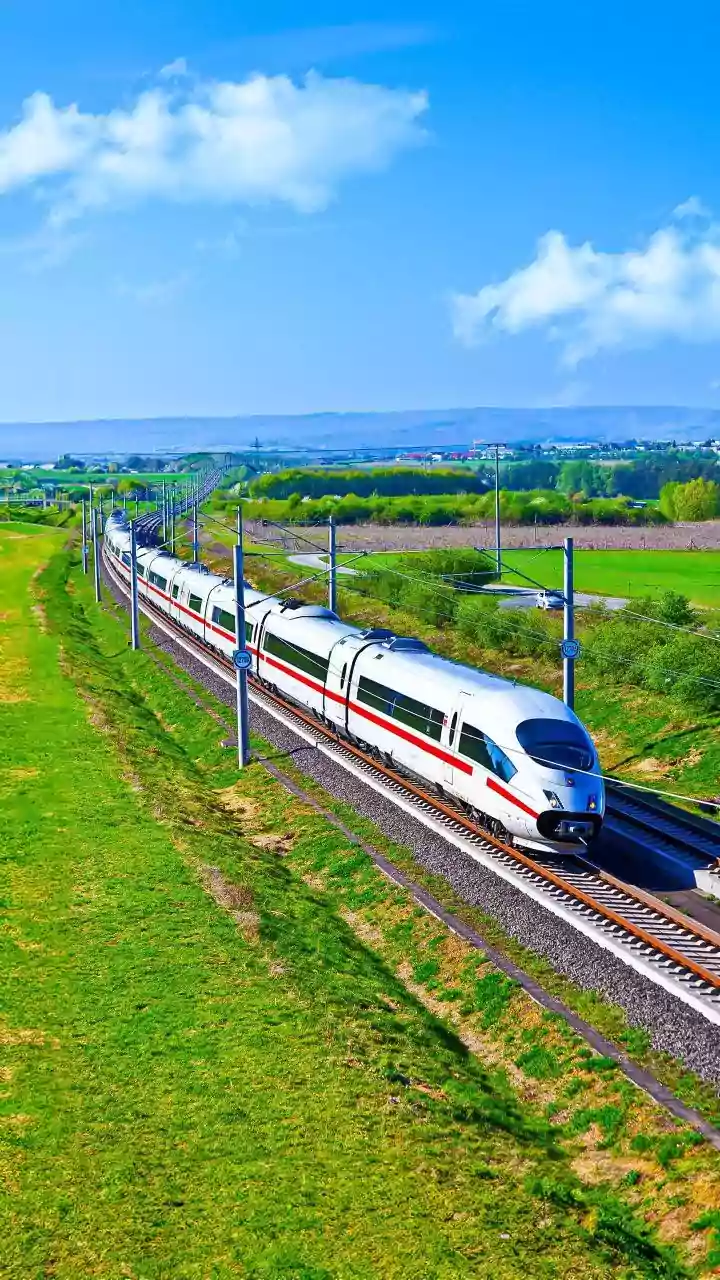
Both airlines and Indian Railways use dynamic pricing, especially for popular routes and premium trains like the Rajdhani, Shatabdi, and Duronto Express. This means fares are not fixed; they fluctuate based on demand. As more seats are sold, the price for the remaining ones increases. This is particularly intense in India due to festival surges (like Diwali or Christmas), long weekends, and a high volume of last-minute bookings. A flight from Mumbai to Delhi can have three different prices in a single day. Similarly, train fares on premium services can increase by up to 50% as the departure date nears. This system aims to maximize revenue but can come as a shock to travellers who expect fixed prices, sometimes making a last-minute train journey surprisingly more expensive than an advance-booked flight.
The Last-Mile Money Pit: Local Transport
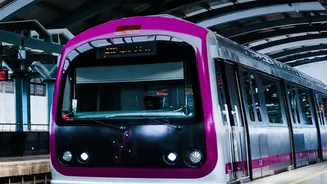
Once you arrive in a city, the spending on transport is far from over. Getting around locally, from your hotel to a monument or a market, can be a significant and often overlooked expense. In many cities, auto-rickshaw drivers may not use a meter and quote a fixed price, which can be inflated for tourists. While ride-sharing apps like Ola and Uber offer more transparency, they are subject to surge pricing during peak hours or bad weather. Metro systems in cities like Delhi, Mumbai, and Bangalore are cheap and efficient alternatives, but they don’t cover every corner of the city. Many travellers find that the daily accumulation of taxi and auto fares for sightseeing ends up being a much larger part of their budget than they ever planned for.
Smart Strategies to Control Your Costs
The key to managing transport expenses is planning. Booking inter-city trains and flights well in advance is the most effective way to secure lower prices, especially if travelling during peak season. For local travel, use public transport like the metro or city buses where possible, as they are extremely economical. When taking an auto-rickshaw, try to insist on using the meter or agree on a fare before starting your journey. Comparing prices between ride-sharing apps can also yield savings. For longer distances, consider overnight trains or buses; while not always the most comfortable, they save you the cost of a night's accommodation. Finally, travelling during the off-season (avoiding major holidays and school breaks) will almost always result in cheaper flights, trains, and hotels.