


The End of the Catalogue Home
For years, the ideal home was a picture of rigid perfection, straight from a catalogue. Every cushion was chopped, every surface was sterile, and every object was placed with stiff precision. But a significant cultural shift, accelerated by the pandemic,
has changed our relationship with our homes. With millions transitioning to remote or hybrid work, our living spaces became our offices, schools, and sanctuaries all at once. This intense, prolonged time at home made it clear that we need spaces designed for living, not just for show. The demand for functionality, like dedicated home offices and multi-purpose rooms, skyrocketed. This practical need paved the way for a psychological one: a craving for comfort over formality.
A Reaction Against Cold Minimalism
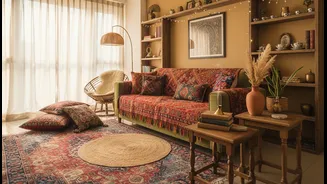
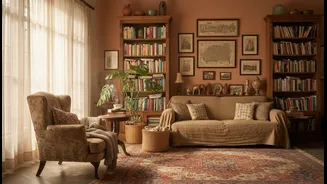
The pendulum is swinging away from the cool, impersonal minimalism that dominated the last decade. Designers and homeowners are now reacting against the 'museum-like' feel of stark white walls and sharp-edged furniture. While minimalism was praised for its clutter-free aesthetic, many now find it can feel cold and lacking in personality. The new wave of design is a direct response, embracing warmth, texture, and personal storytelling. People are craving homes that reflect who they are, filled with treasures from travels and meaningful heirlooms, rather than spaces that feel generic or uniform. This has led to a revival of more expressive styles, where rich colours and unique patterns are celebrated.
The Rise of Comfort-Core Aesthetics
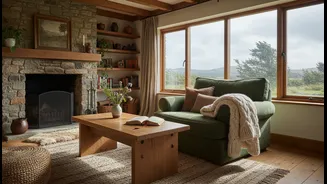
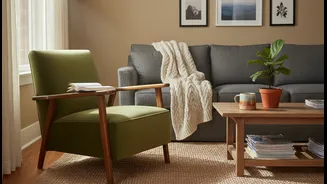
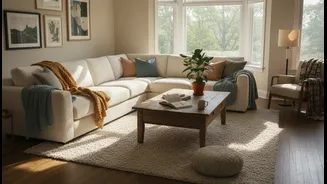
Several design movements are championing this new relaxed ethos. Japandi, a hybrid of Japanese minimalism and Scandinavian warmth, focuses on clean lines but uses natural materials, imperfect textures, and a neutral, earthy palette to create a sense of calm. Styles like Cottagecore romanticise a simpler, rustic life, incorporating vintage furniture and floral patterns. A major component is Biophilic design, which is the practice of connecting our homes with nature. This is done by incorporating indoor plants, maximising natural light, and using organic materials like wood, stone, and linen. These trends all share a common goal: to create interiors that are restorative and promote well-being.
Embracing a Lived-In Look
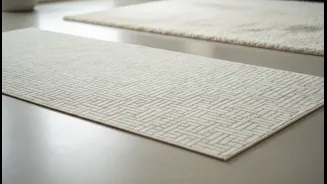
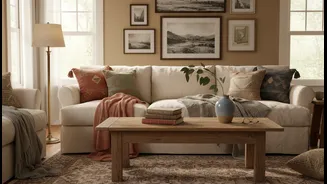
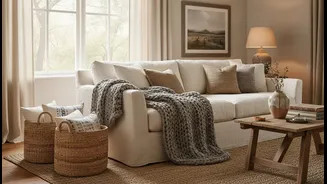
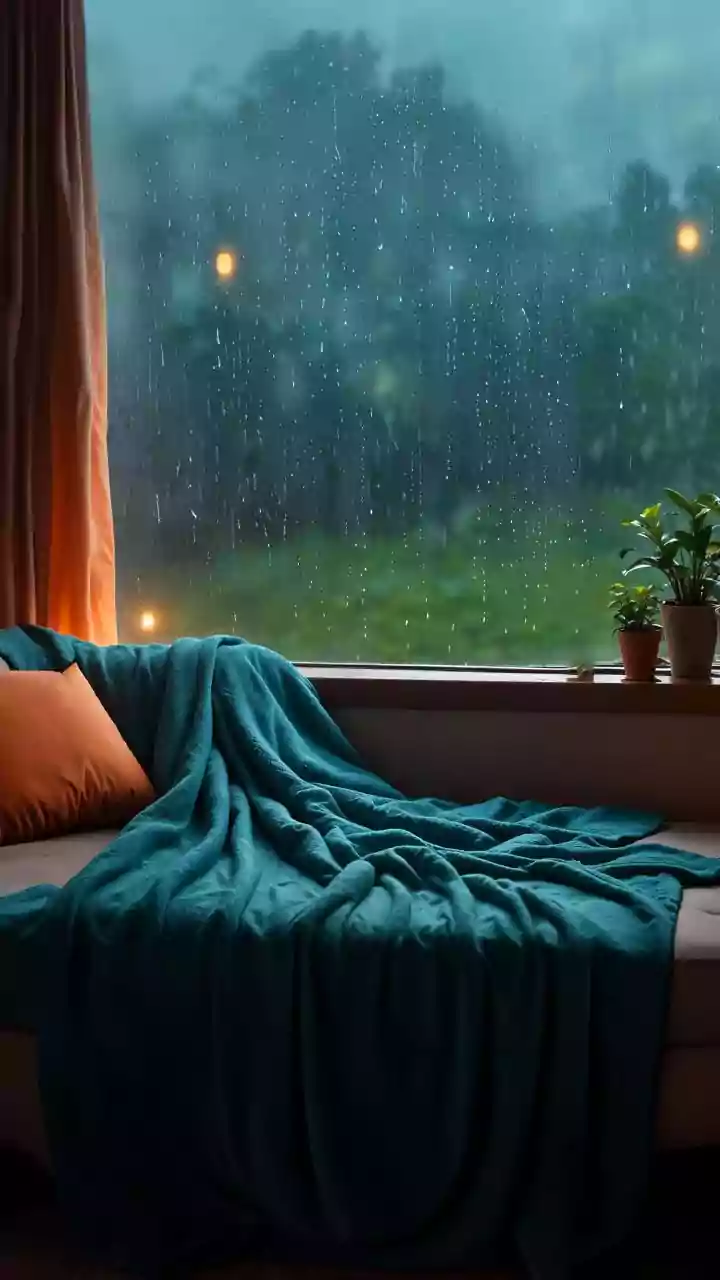
A key element of the relaxed interior is the beauty of imperfection, often associated with the Japanese philosophy of wabi-sabi. Instead of hiding signs of life, this approach celebrates them. It's about finding charm in a handcrafted ceramic piece, the patina on a vintage table, or the natural grain of a wooden floor. Furniture is changing, too. Sharp, rigid lines are being replaced by soft, curved silhouettes that feel more inviting and organic. The focus is on tactile comfort: plush rugs, soft blankets, and natural fabrics like linen and cotton that feel good to the touch. This move toward a 'lived-in' look is about creating a space that feels personal and welcoming, not staged.
Your Home as a Personal Sanctuary
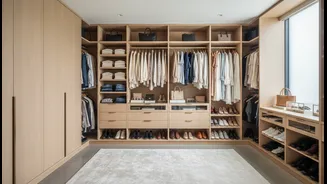
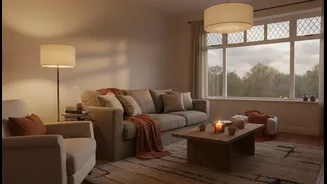
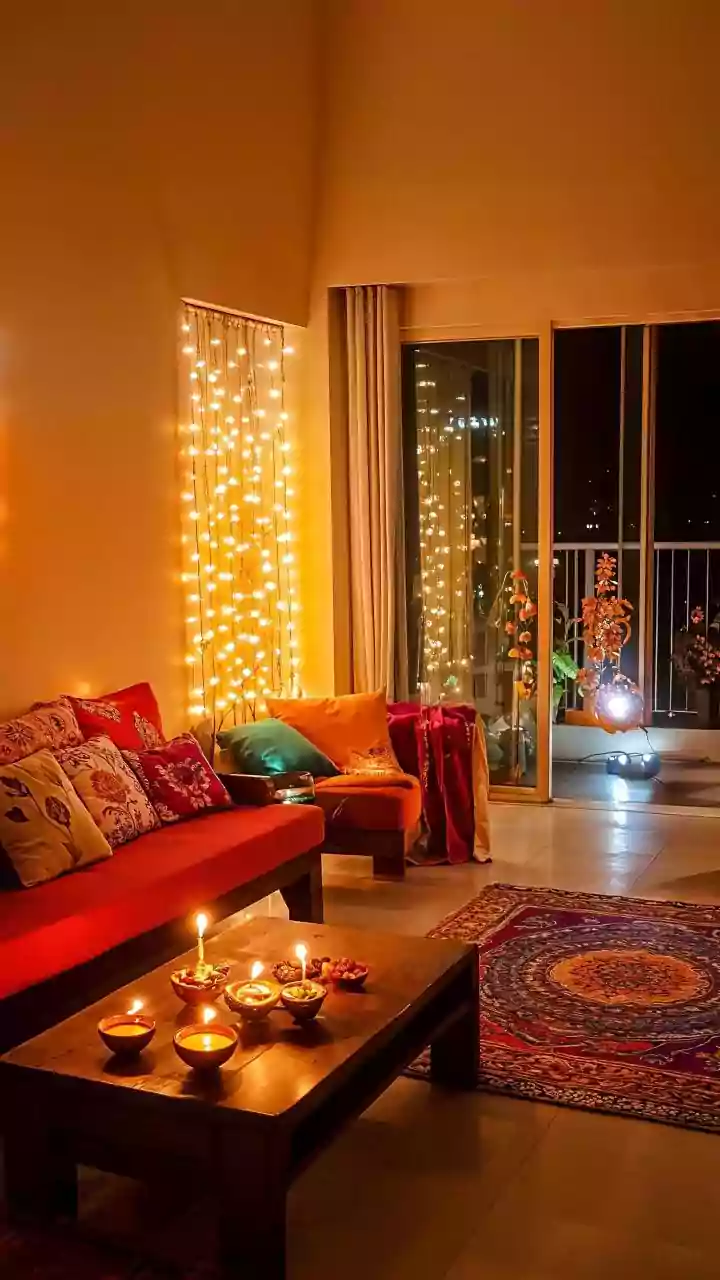
Ultimately, this trend is about shifting the purpose of a home. It's less about creating an impressive space for guests and more about building a personal sanctuary that nurtures its inhabitants. The goal is to design an environment that reduces stress and supports mental health. This involves creating defined zones for different activities—work, relaxation, socialising—to bring a sense of order and flow. It also means using layered, warm lighting and a colour palette inspired by nature, like rich browns, soft greens, and warm ochres, to create an enveloping, cocoon-like atmosphere. The best interiors today are the ones that tell a story—your story.