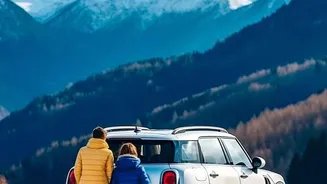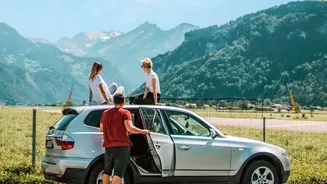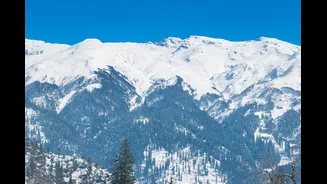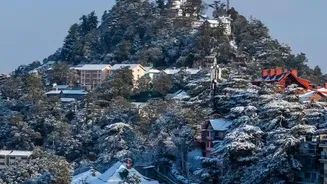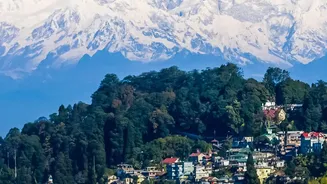

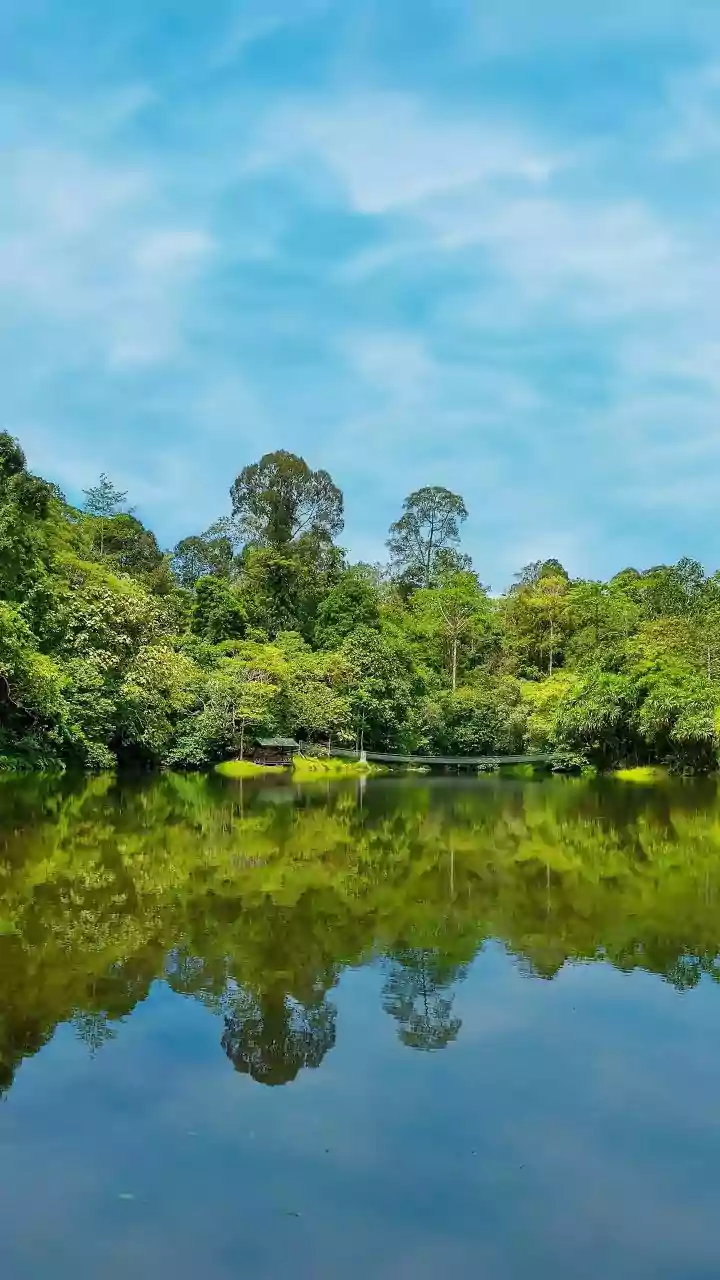



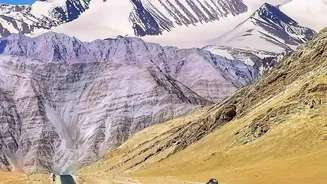
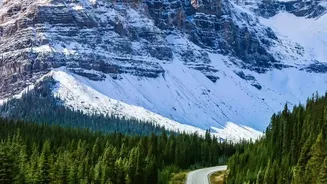
The dream is a serene Himalayan escape: misty mornings, quiet trails, and towering peaks. But the reality in many famous hill stations is now traffic jams, concrete jungles, and overflowing crowds. This has started a quiet exodus.
The Lost Charm of the Mainstream Hills
For generations, names
like Shimla, Mussoorie, and Manali have been synonymous with idyllic mountain holidays. These towns, once tranquil British summer capitals or quiet spiritual retreats, are now bursting at the seams. Today, a trip to these destinations often involves being stuck in traffic for hours just to enter the town. The iconic Mall Roads are frequently lost in a sea of tourists, and the very peace travellers seek is drowned out by the noise of relentless construction and commerce. Unchecked development has replaced colonial charm with multi-storey concrete hotels, many of them built without proper planning. This has led to a visible degradation of the natural landscape, turning once-green hillsides into a chaotic urban sprawl that strains local resources and erodes the unique culture of these mountain communities.
The Heavy Price of Unchecked Growth
The explosion in tourism numbers is staggering. In 2024, Himachal Pradesh alone received 1.8 crore tourists, a massive jump from previous years. Similarly, Uttarakhand saw nearly 6 crore visitors. These figures far exceed the carrying capacity of towns built for a fraction of that population. The consequences are severe and multifaceted. One of the most critical is the strain on water resources. During peak seasons, many popular hill stations face acute water shortages, with locals often bearing the brunt while tourist establishments consume vast quantities. Waste management is another crisis, with garbage piling up and polluting the fragile ecosystem. This over-commercialisation is not just an aesthetic problem; it’s an ecological one, contributing to landslides and other environmental hazards in a geologically sensitive region.
A Growing Search for Authenticity
In response to this disillusionment, a different kind of traveller is emerging. They are not looking for a checklist of popular sights but for genuine connection and tranquillity. This traveller is willing to trade the convenience of a bustling town for the quiet authenticity of a remote village. The desire is for immersion—in nature, in local culture, and in silence. The rise of homestays has been central to this shift, offering a chance to experience local life and ensure that tourist money directly supports families instead of large corporations. This trend reflects a deeper understanding that the true magic of the Himalayas lies not in crowded viewpoints but in its untouched landscapes and the unhurried pace of life in its more secluded corners.
The Rise of Quieter Alternatives
As mainstream destinations become saturated, lesserndown Himalayan gems are gaining attention. Places like Tirthan Valley in Himachal Pradesh, with its pristine river and access to the Great Himalayan National Park, offer a serene alternative focused on eco tourism. Similarly, Munsiyari in Uttarakhand, known as the 'Gateway to the Johar Valley', provides stunning views of the Panchachuli peaks without the chaos of its more famous counterparts. Other emerging destinations include the tranquil valleys of Sainj and the remote beauty of Pangi Valley in Himachal, or the cultural richness of Ziro Valley in Arunachal Pradesh. These locations promise what the commercial hubs have lost: quiet trails, opportunities for trekking, birdwatching, and a chance to engage with local communities in a meaningful way.
The Path to Sustainable Exploration
The shift towards offbeat travel brings its own responsibilities. The very appeal of these pristine places is their untouched nature, and it is crucial that they do not follow the same path as the overstalled towns. Responsible tourism is key. This involves simple but impactful practices : carrying reusable water bottles to reduce plastic waste , respecting local customs , hiring local guides , and staying in community run homestays . The goal is to leave no trace , ensuring that the beauty that draws travellers to these remote corners is preserved for future generations . As more people venture off the beaten path , the hope is that they do so with a sense of care , becoming guardians of the very wilderness they have come to enjoy .