



Rethinking the Monsoon Getaway
For many, monsoon travel means navigating slippery roads, cancelled sightseeing, and the disappointment of a beach holiday spent indoors. The impulse is often to seek destinations that promise less rain, but this approach misses the point of the season
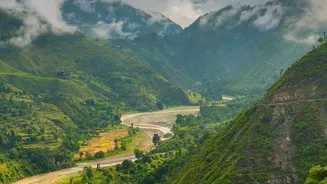
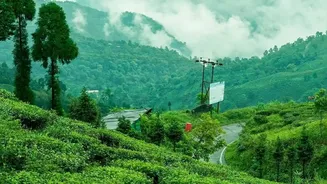
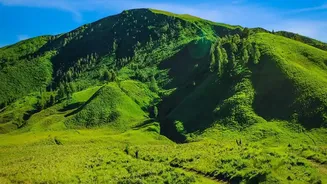
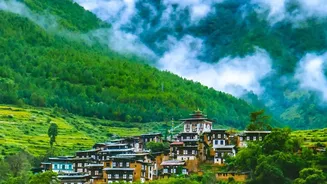
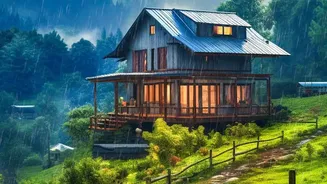
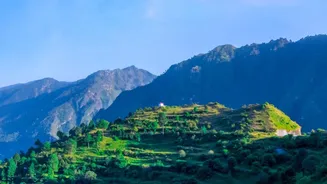
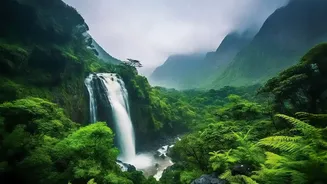
entirely. Experienced travellers know a better way: lean into the weather. Instead of fighting the rain, choose a destination that is brought to life by it. During these months, India's forests and wetlands undergo a breathtaking transformation, offering experiences far more memorable than a damp, off-season trip to a conventional tourist spot. The landscape turns a vibrant, saturated green, seasonal waterfalls appear on nearly every trail, and the usual crowds thin out, leaving you with a sense of peace and discovery.
The Magic of a Monsoon Forest Walk
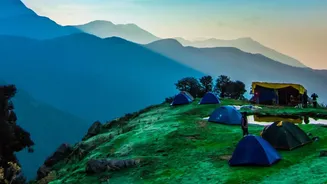
Walking through a forest during the monsoon is a complete sensory immersion. The air, cleansed by the rain, feels fresh and is rich with the earthy smell of wet soil and blooming flora. You’ll breathe in phytoncides, airborne chemicals released by plants that can help boost your immune system. Trails that are dusty and quiet in summer become cinematic, with mist rolling through the canopy and streams roaring back to life. Destinations in the Western Ghats like Coorg, Agumbe, and Periyar in Kerala become a paradise of lush trails and thunderous waterfalls. In the Himalayas, Uttarakhand's Valley of Flowers opens only during this season, presenting a spectacular carpet of hundreds of blooming flower species—a sight that depends entirely on the rains. This is when forests are truly alive, revealing a secret world of frogs, fungi, and flora you would never see in drier seasons.
Why Wetlands Shine in the Rains
While many national parks close core zones during the monsoon, several wetland sanctuaries and reserves flourish, offering unique wildlife experiences. The rains rejuvenate these ecosystems, filling up lakes and marshes, which in turn attracts an abundance of life. Keoladeo National Park in Rajasthan, a UNESCO World Heritage site, becomes a lush haven for resident breeding birds like herons, egrets, and kingfishers. Boat rides become possible, offering photographers close access to nesting sites. Similarly, the mangrove forests of the Sundarbans in West Bengal take on a mysterious beauty. The widened rivers and mist-covered waterways create a surreal atmosphere for boat safaris, with fewer crowds and a chance to spot crocodiles and other wildlife along the banks. The monsoon is also when the region celebrates the Hilsa festival, offering a cultural and culinary bonus to the natural spectacle.
Essential Tips for a Safe and Dry Adventure
Embracing the rain requires preparation. Your gear is the most critical element for a comfortable and safe trip. Invest in trekking shoes with excellent grip to handle slippery paths and waterproof jackets or full-body ponchos. A rain cover for your backpack is non-negotiable to keep your electronics and extra clothes dry. When trekking in forest areas, especially in the Western Ghats, be prepared for leeches; wearing leech-proof socks or carrying salt or a sanitiser can help. Always check the weather forecast before you leave and listen to local advice, as conditions can change rapidly. Hiring an experienced local guide is highly recommended, as they can navigate trails safely and point out areas prone to flash floods or landslides. Finally, start your treks early in the morning to avoid the reduced visibility that often comes with afternoon showers.