


The Basic Science of Cooking Protein
At a molecular level, cooking is all about changing the structure of protein. When you apply heat, protein chains unfold (a process called denaturation) and then link up with each other (coagulation). This is what turns a liquid egg solid and firms up a piece
of raw meat. The key is that different proteins—from meat, dairy, or plants—have different structures, moisture content, and connective tissues, meaning they denature and coagulate at different speeds and temperatures. Matching your cooking method to the specific protein is the foundation of great cooking.
Poultry: The Lean vs. Fatty Divide
Not all parts of a chicken are created equal. Chicken breast is very lean with little fat, making it prone to drying out. It's best cooked quickly over high heat—think searing, stir-frying, or grilling—to keep it moist. Overcooking is its biggest enemy. Chicken thighs, on the other hand, have more fat and connective tissue. This makes them more forgiving and flavourful. They excel with methods that allow that fat to render and tissues to break down, such as roasting, braising, or slow-cooking in a curry.
Red Meat: Taming the Tough Cuts
The main challenge with tougher cuts of red meat like mutton or lamb shoulder is breaking down the abundant connective tissue, primarily collagen. High, fast heat will only make these cuts tougher. The solution is low, slow, and moist cooking. Methods like braising, stewing, or pressure cooking are ideal. Cooking mutton for several hours on a low flame allows the collagen to melt into rich gelatin, resulting in that fall-off-the-bone tenderness everyone loves. A good marinade with an acidic ingredient like yoghurt can also help begin this tenderising process before the cooking even starts.
Fish: The Delicate Protein
Fish has far less connective tissue than land animals, and its proteins are more sensitive to heat. This is why fish cooks so quickly and can go from perfectly flaky to dry and chalky in a matter of moments. For most delicate fish, gentle and quick cooking is best. Steaming, pan-frying, or baking at a moderate temperature preserves its moisture. Fish proteins begin to set at much lower temperatures than meat, so the window for perfect cooking is narrow. Overcooking is the most common mistake, causing the proteins to squeeze out all their moisture.
Paneer: Handling Dairy Protein with Care
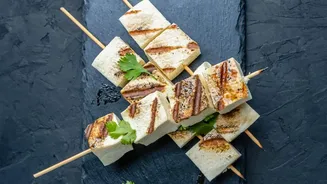
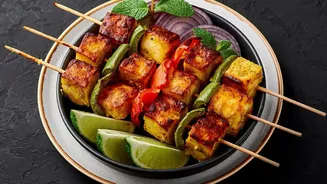
Paneer can be tricky; it can go from soft and creamy to hard and rubbery if mishandled. This is because high, dry heat causes the milk proteins to tighten and squeeze out moisture. To keep paneer soft, avoid overcooking it. Many cooks recommend soaking store-bought paneer in warm water for 10-15 minutes before use to rehydrate it and improve its texture. When adding it to gravies, it's best to add it towards the end of the cooking process and simmer it for just a few minutes. A quick pan-fry until lightly golden is great for texture, but prolonged frying will make it tough.
Lentils and Legumes: The Importance of Hydration
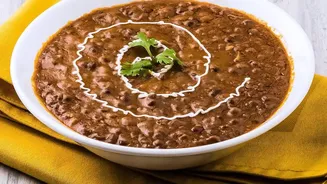
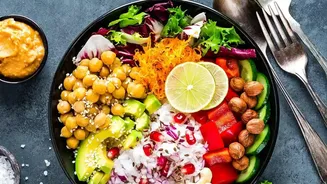
Plant-based proteins like dals (lentils) and chana (chickpeas) have a different structure entirely, composed of starches and fibres that need to be broken down. The key here is sufficient water and time. Lentils need to be simmered until they are completely soft and start to break down, creating the creamy consistency of a good dal. Fast-cooking lentils like masoor dal might take less time, while heartier ones like chana dal require longer simmering or pressure cooking. Unlike meat that gets tougher with prolonged cooking, these legumes need that extended time in liquid to become tender and digestible.