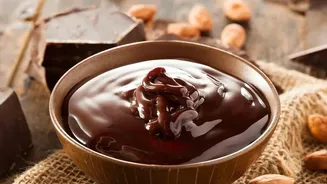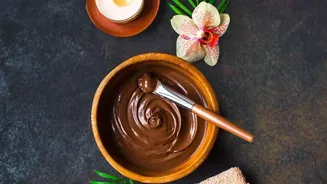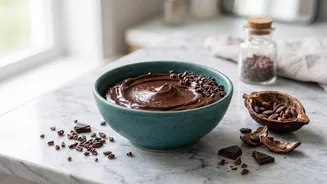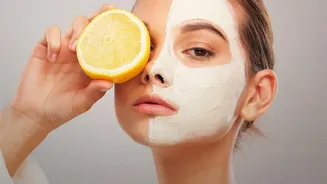


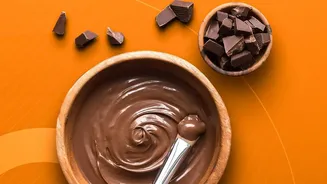
The idea of a chocolate face mask sounds like the ultimate self-care treat. It’s decadent, smells incredible, and promises a radiant glow. But beyond the luxurious experience, what’s really going on when you put chocolate on your skin?
The Allure of Chocolate Skincare
Chocolate face masks
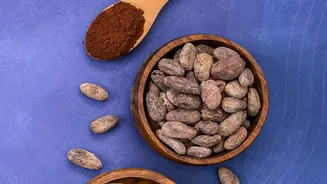
have become a popular feature in spas and DIY beauty routines, often marketed as a secret weapon for vibrant skin. The logic seems simple: dark chocolate is known for being rich in antioxidants when you eat it, so applying it topically must be good for you too, right? This idea taps into our desire for natural, food-based skincare. The core of these claims lies in cacao, the raw, unprocessed bean from which cocoa and chocolate are made. Cacao is packed with beneficial compounds, and its use in skincare dates back centuries to Mayan and Aztec cultures, who used it to moisturize and soothe the skin. Today, the promise is that these ancient benefits, now backed by modern marketing, can deliver everything from anti-ageing to a luminous complexion.
Claim: A Powerhouse of Antioxidants
The biggest claim for chocolate skincare is its antioxidant content. Cacao is genuinely rich in a class of antioxidants called flavonoids. These compounds are known to help neutralize free radicals, which are unstable molecules from pollution and UV rays that can damage skin cells and lead to premature ageing. Studies have shown that the antioxidants in cocoa, like catechins and epicatechins, can penetrate the top layer of the skin when applied topically. These flavonoids have anti-inflammatory properties, which can help calm irritated skin. So, in theory, the antioxidant properties of a high-quality cocoa powder can offer some level of protection and soothing benefits to the skin.
Reality: Formulation and Concentration Matter
While the antioxidant potential is real, its effectiveness in a face mask is complicated. For one, the benefits are largely tied to dark chocolate or pure cacao powder, not milk chocolate, which contains milk solids and more sugar. Furthermore, many of the impressive scientific studies on cacao's skin benefits involve consuming it, which improves skin hydration and elasticity from the inside out. When applied topically, the formulation is key. A DIY mask made with store-bought cocoa powder has particles that may be too large to deliver significant benefits beyond gentle exfoliation. Professionally formulated cosmetic products, on the other hand, use specific extracts and concentrations designed for skin absorption. Often, the immediate 'glow' from a mask comes from other ingredients like hydrating honey, exfoliating yogurt, or moisture-locking cocoa butter, rather than the cocoa powder itself.
Claim: A Guaranteed Glow and Fewer Wrinkles
Many masks promise an instant, radiant glow and a reduction in fine lines. The 'glow' part is often temporarily true. Ingredients like theobromine in cacao can slightly boost blood flow to the skin, creating a brighter, more vibrant appearance for a short time. The moisturizing fats in cocoa butter can also plump the skin, making fine lines less noticeable. The antioxidants are said to support collagen production, which is essential for skin elasticity and firmness, but this is more of a long term protective benefit rather than an instant fix. The immediate smoothness and radiance are more likely due to temporary hydration and the removal of dead skin cells, an effect you could get from many types of masks.
Reality: Potential Downsides and Risks
Not all chocolate is created equal for your face. Applying a mask made from a chocolate bar means you’re also applying sugar, which can be inflammatory and potentially disrupt your skin’s balance. Furthermore, while cocoa powder itself is generally safe, cocoa butter can be comedogenic, meaning it can clog pores for those with acneprone skin. As with any new product,' there's always a risk of irritation or allergic reaction. DIY concoctions carry their own risks,' as kitchen ingredients aren't formulated for the specific pH and sensitivity of facial skin. Some dermatologists advise caution with homemade masks,' as they can sometimes do more harm than good by damaging the skin barrier.
The Final Verdict
So,' are chocolate face masks worth it? As a sensory selfcare ritual,' absolutely. They feel luxurious,' smell wonderful,' and can provide temporary hydration and a fleeting glow. They can be a fun and relaxing part of a skincare routine. However,' it's wise to be skeptical of promises for a 'guaranteed glow' or dramatic antiageing results. The real,' lasting benefits of cacao's antioxidants are more subtle and protective. If you want to try one,' opt for a wellformulated product from a reputable brand that uses highquality cacao and is designed for skincare,' or if making one at home,' use pure,' unsweetened cocoa powder and be mindful of other ingredients. Think of it as a delightful treat for your skin,' not a miracle cure.