




Understanding the Rupee's Recent Moves
In 2026, the Indian Rupee (INR) has seen considerable volatility, trading in a wide range against the US dollar. As of early September 2026, the rupee is trading around the 94.5 mark against the dollar. This follows a period where it weakened past 95,
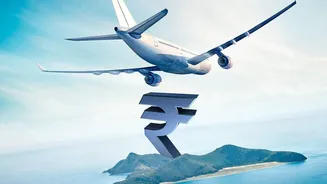
making international travel and imports more expensive. The Reserve Bank of India (RBI) has been actively intervening to stabilise the currency, using its significant foreign exchange reserves to sell dollars and prevent extreme swings. However, global factors like high crude oil prices and geopolitical tensions continue to exert pressure, meaning that sudden changes can still impact your travel costs. This volatility means the price of your dream vacation in rupee terms can change from one day to the next.
How a Weaker Rupee Impacts Your Budget
The connection is simple: when the rupee weakens, you need to spend more rupees to buy the same amount of foreign currency. A trip that costs $2,000 would require ₹1,80,000 if the exchange rate is ₹90 per dollar. But if the rupee weakens to ₹95 per dollar, that same trip now costs ₹1,90,000—an increase of ₹10,000 without any change in your itinerary. This price hike affects everything, from your airfare and hotel bookings to the cost of a meal or a museum ticket abroad. Recent analysis shows that a combination of a weaker rupee and higher airfares has made international trips 15-25% more expensive in rupee terms compared to previous years.
Smart Booking and Destination Strategies
In a volatile market, timing is everything. To counter rising costs, Indian travellers are adapting by booking their trips much earlier—often 6 to 10 weeks in advance—to lock in prices for flights and accommodation. Another popular strategy is shifting focus from expensive long-haul destinations like the US and Europe towards more budget-friendly, short-haul locations. Countries in Southeast Asia (like Thailand and Vietnam) and Central Asia (like Uzbekistan) are gaining favour because the rupee often offers better value there. This shift allows travellers to still enjoy an international experience without feeling the full pinch of an unfavourable exchange rate against the US dollar.
Managing Your Money: Cards vs. Cash
How you pay abroad is just as important as where you go. Relying solely on Indian debit or credit cards can be costly due to foreign exchange markup fees, which typically range from 2% to 3.5% on every transaction. A smarter choice is a prepaid forex card. These cards allow you to load foreign currency at a locked-in rate before you travel, protecting you from on-the-spot fluctuations. Many forex cards, such as the Niyo Global Card, offer zero forex markup, which can lead to significant savings. It is wise to carry a mix of payment methods: a forex card for major purchases, a credit card for emergencies and rewards, and a small amount of local cash for taxis and small vendors. When using cards, always choose to pay in the local currency, not Indian Rupees, to avoid high 'Dynamic Currency Conversion' fees set by merchants.
Tips for Buying Foreign Currency
Where you exchange your money matters significantly. Airport currency exchange counters are notoriously expensive, often charging rates 5-7% higher than dealers outside. The best approach is to plan ahead. Exchange a portion of your currency at an authorised dealer or your local bank in India at least a week before your trip. This allows you to monitor exchange rates and buy when they are more favourable. Using online platforms to compare rates from different authorised dealers can also help you secure the best deal. Avoid exchanging money with unlicensed street vendors abroad, as you risk receiving counterfeit currency.