

Makhan Mishri: The Divine Favourite
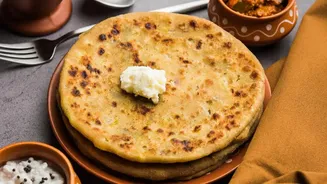
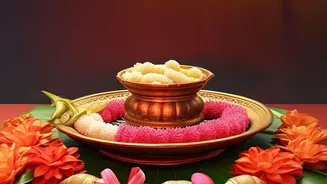
No Janmashtami bhog (offering) is complete without Makhan Mishri. This dish represents the playful innocence of Bal Krishna, fondly called 'Makhan Chor' or the butter thief. It’s a simple, no-cook preparation of freshly churned, unsalted white butter mixed
with coarse rock sugar, or mishri. This offering connects devotees directly to the stories of Krishna's childhood in Braj, where he would delight in stealing butter from the gopis. The purity of the homemade butter and the sweetness of the mishri are seen as symbols of pure, unadulterated devotion.
Dhaniya Panjiri: A Prasad with Purpose
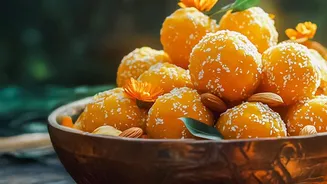
A unique and essential prasad, especially in North India, is Dhaniya Panjiri. Unlike the more common wheat-flour panjiri, this version is made with roasted and ground coriander seeds, ghee, powdered sugar, and a generous mix of dried fruits and nuts like makhana (fox nuts), almonds, and cashews. This preparation is particularly significant for devotees who observe a fast (vrat) on Janmashtami, as grains are often avoided. The coriander gives it a distinct, aromatic flavour that is both earthy and sweet, making it a warming and nutritious offering to break the fast after midnight prayers.
Panchamrit: The Five Nectars
Panchamrit, which literally translates to 'five nectars', is a sacred concoction used in Hindu rituals, including the ceremonial bathing (abhishek) of the deity's idol. It is prepared by mixing five key ingredients: raw milk, curd (yoghurt), honey, ghee (clarified butter), and sugar or jaggery. Each ingredient holds symbolic meaning: milk for purity, curd for prosperity, ghee for strength, honey for unity and sweet speech, and sugar for bliss. Once offered to the deity, this divine mixture is distributed among devotees as Charanamrit, considered a blessed food that purifies the body and soul.
Gopalkala: A Savoury Symbol of Unity
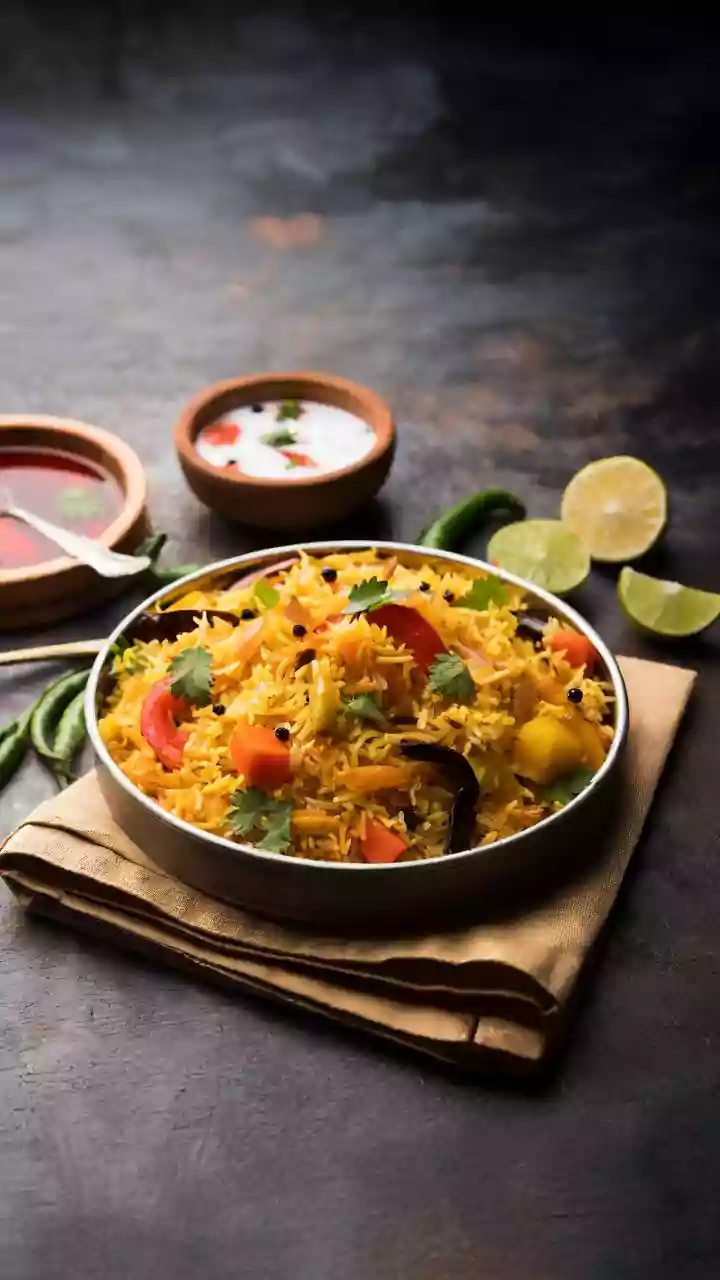
While sweets dominate the Janmashtami menu, Gopalkala offers a savoury counterpoint, especially popular in Maharashtra and Gujarat. This dish has a beautiful story behind it. It is said that Krishna, while grazing cattle with his friends (gopas), would pool together whatever food they all had, mix it, and share it. Gopalkala recreates this communal meal. It’s a simple, no-cook mixture of flattened rice (poha), curd, cucumber, coconut, and sometimes fruits, tempered with ghee and spices. The dish beautifully symbolizes equality and togetherness, as it is often prepared potluck-style, with everyone contributing an ingredient. It is the main dish found inside the famous Dahi Handi pots.
A Southern Spread: Murukku and Seedai
In South India, the festival, often called Krishna Jayanthi or Gokulashtami, features a distinct array of snacks. Two non-negotiable items are Seedai and Murukku. Seedai are small, crispy, deep-fried balls made from rice flour. They come in two versions: Uppu Seedai (savoury) and Vella Seedai (sweet, made with jaggery). Murukku, a crunchy spiral-shaped snack, is also prepared with great care. Given Krishna’s legendary love for butter, butter-based sweets and snacks like butter murukku hold a special place in the day's offerings. These preparations reflect a different but equally devoted culinary tradition.
The Grandeur of Chappan Bhog
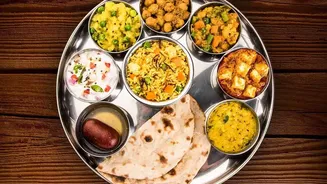
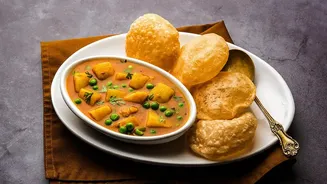
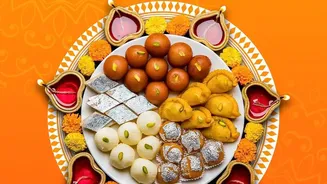
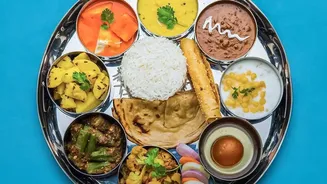
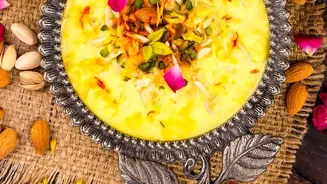
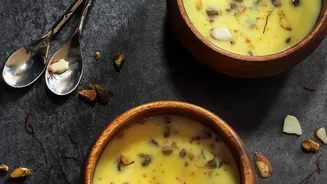
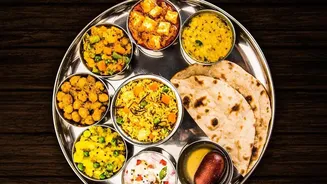
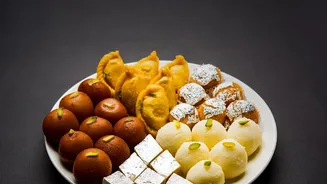
The ultimate feast for Krishna is the 'Chappan Bhog', a grand offering of 56 distinct food items. According to legend, this tradition began when Krishna lifted the Govardhan Hill to protect the people of Braj from torrential rain for seven days. To show their gratitude, the villagers offered him 56 dishes—representing the eight meals he would have normally eaten each day for those seven days. This lavish spread includes a spectacular variety of sweets, savouries, grains, fruits, and drinks, from Kheer and Peda to Kachori, rice, and dal, showcasing the immense love and gratitude devotees feel for their lord.