








What is Seasonal Living, Really?
At its heart, seasonal living is the practice of aligning your life with the natural cycles of the year. It’s a philosophy that suggests we thrive when we move in harmony with the world around us, rather than fighting against it. This isn't a new-age
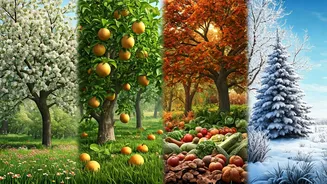
fad; it’s ancient wisdom that our grandparents and their ancestors understood instinctively. Think about it: our festivals, our traditional architecture, and our regional cuisines are all deeply rooted in the seasons. Seasonal living invites us to pay attention again—to eat foods when they are naturally harvested, to adjust our activities to the weather, and to honour the different energies that each season brings, from the vibrant burst of spring to the quiet introspection of winter.
Eating with the Rhythm of Nature
The most accessible entry point to seasonal living is through your kitchen. When we eat seasonally, we eat food at its peak. A mango in May tastes infinitely better and is more nutrient-dense than a waxy, imported version in December. Winter in North India brings an abundance of leafy greens like sarson ka saag and root vegetables perfect for hearty stews or a warm gajar ka halwa. The summer monsoon blesses us with gourds and cucumbers that are hydrating and cooling. Eating this way has multiple benefits. Firstly, the food is fresher, tastier, and packed with more nutrients. Secondly, it’s often cheaper because you’re buying what’s in abundance locally, not what’s been shipped across the country or the world. Finally, it’s a more sustainable choice, reducing the carbon footprint associated with long-distance food transport and refrigerated storage.
More Than Just Your Dinner Plate
While food is a huge part of it, seasonal living extends to all areas of life. It’s about how you move, work, and rest. The long, bright days of summer might inspire you to be more social, take early morning walks, and tackle big projects. Conversely, the shorter, darker days of winter are a natural invitation to slow down, rest more, and turn inward. This doesn't mean hibernating for three months, but perhaps swapping a late-night party for a cosy evening with a book. The monsoon, with its dramatic skies and downpours, is often a time for reflection and indoor creativity. By listening to these natural cues, we stop pushing our bodies and minds to operate at 100% capacity all year round, which is an unnatural and exhausting expectation.
The Mental and Physical Payoff
Living in opposition to nature’s clock can take a toll. Artificial lighting disrupts our circadian rhythms, affecting sleep quality. A diet disconnected from local harvests can lack vital micronutrients. The constant pressure to be ‘on’ contributes to burnout and anxiety. Embracing a seasonal rhythm can be a powerful antidote. Aligning with natural light cycles can improve sleep. Eating fresh, seasonal produce boosts your immune system and overall health. There’s also a profound mental benefit. The practice cultivates mindfulness, forcing you to slow down and observe the small, beautiful changes in the world around you. It provides a sense of grounding and connection in an often chaotic and disconnected digital age. It replaces the anxiety of endless choice with the simple comfort of what is right, right now.
Your Gentle Start to Seasonal Living
Adopting this lifestyle doesn't require a radical overhaul. You can start small. The next time you go grocery shopping, visit the local vegetable vendor and ask what’s in season. Challenge yourself to cook one meal a week using only seasonal ingredients. Try to wake up a little earlier to catch the morning light, or take a moment to notice the evening sky. Pay attention to the plants and birds in your neighbourhood. These small acts of observation are the first step. It's not about achieving perfection, but about cultivating awareness and intention. It’s a gentle rebellion against the notion that we should have everything we want, exactly when we want it.