




Think Like a Hunter
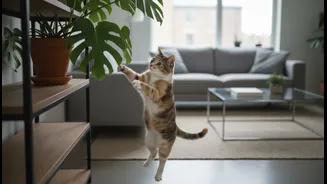
The core reason cats thrive on short play sessions lies in their DNA. They are natural predators, designed for the stalk-and-pounce, not long-distance marathons. In the wild, a cat's day is made up of multiple short hunting expeditions that follow a distinct
pattern: stare, stalk, chase, pounce, and capture. This requires intense, focused bursts of energy, not sustained endurance. Play for a domestic cat is simulated hunting. By engaging them in several short, 10-to-15-minute play sessions, you are mimicking this natural cycle, which satisfies their instincts and provides crucial mental and physical stimulation.
The 'Short Burst' Strategy in Practice
So, how do you put this into practice? Experts recommend scheduling two to four brief playtimes each day. Many cats are most active at dawn and dusk—a biological holdover from when their ancestors hunted—making morning and evening ideal times for a game. A session before you leave for work can help your cat settle in for the day, while a pre-bedtime romp can curb those midnight 'zoomies' by expending their final energy reserves. Even a quick five-minute game with a wand toy during your lunch break can make a huge difference in an indoor cat's day, breaking up long periods of inactivity.
Why Long Play Sessions Can Fail
A common mistake owners make is trying to tire their cat out with one long, epic play session. This can often backfire. Cats have short attention spans for play and can become bored, overstimulated, or physically exhausted if a session drags on too long. A cat that simply walks away or starts grooming itself mid-game is signaling that it's done. Forcing it can lead to frustration and may even create a negative association with playtime. Short, focused sessions keep the activity novel and exciting, ensuring your cat is always eager for the next game.
The Right Tools for a Good Hunt
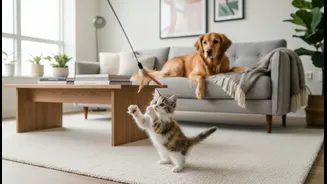
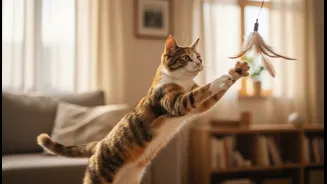
The best toys for short-burst play are interactive ones that allow you to mimic prey. Wand and feather toys are classic for a reason; you can make them flutter, twitch, and hide like a bird or mouse. Let the toy move across the floor, behind furniture, and into the air to engage your cat’s stalking instincts. Always allow your cat to 'catch' the toy at the end of the session to provide a satisfying conclusion to the hunt. Puzzle feeders are another excellent tool, engaging their minds by making them work for their food, simulating the problem-solving part of hunting.
More Than Just Fun and Games
Adopting a short-burst play strategy offers benefits that extend far beyond simple entertainment. Regular, engaging play helps maintain a healthy weight, tones muscles, and supports joint health. It's also a powerful tool for preventing common behavioral issues like destructive scratching, boredom, and aggression, which often stem from pent-up energy. Furthermore, these shared moments of fun are one of the best ways to strengthen the bond you have with your cat, building trust and confidence, especially in shy or anxious felines.