



Why Your Gut Needs Extra Care in Monsoon
The arrival of the monsoon often brings a collective sigh of relief, but it can also put a strain on our digestive system. According to Ayurveda, the body's digestive fire, or 'Agni', tends to weaken during the rainy season. The increased humidity and
dampness can slow down our metabolism, leading to common complaints like bloating, gas, and a general feeling of heaviness after meals. This environment is also ideal for the growth of microbes, making us more susceptible to stomach infections from contaminated food and water. A weakened immune system, common during seasonal transitions, further underlines the need to focus on gut health as a primary line of defence.
The Ancient Magic of Fermentation
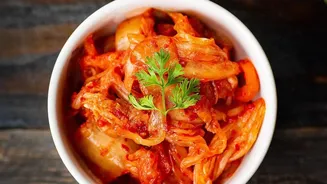
Fermentation isn't a new wellness trend; it's an age-old preservation technique that's a cornerstone of Indian culinary heritage. The process involves beneficial microorganisms like bacteria and yeast breaking down the sugars and starches in food. This transformation does more than just preserve the food and create tangy, complex flavours. It also enriches the food with probiotics—live beneficial bacteria that help maintain a healthy balance in your gut microbiome. A thriving gut microbiome is crucial for smooth digestion, efficient nutrient absorption, and a robust immune system. By pre-digesting the food, fermentation also makes nutrients more easily available for your body to use.
Panta Bhat: The Cooling Fermented Rice
Known as Panta Bhat in Bengal, Poita Bhat in Assam, and Pazhaya Sadam in Tamil Nadu, this humble dish is a probiotic powerhouse. It's made by simply soaking leftover cooked rice in water overnight, allowing it to ferment naturally. Consumed the next day, often with a pinch of salt, onion, and green chillies, this dish is cooling, incredibly easy to digest, and rich in beneficial bacteria that can soothe the gut. Studies have shown that the fermentation process increases the bioavailability of micronutrients like iron, calcium, and B vitamins, particularly Vitamin B12.
Kaanji: The Quintessential North Indian Probiotic Drink
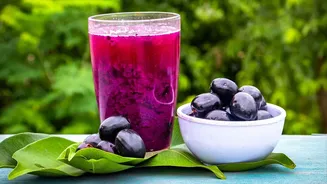
Kaanji is a traditional fermented beverage from North India, typically made with black carrots, mustard seeds, and water. This tangy, savoury drink is left to ferment for several days, a process that cultivates a wealth of probiotics. It's celebrated for its ability to aid digestion, reduce bloating, and boost immunity. While traditionally a winter and spring drink, its gut-healing properties make it an excellent choice to counteract the digestive sluggishness of the monsoon. Versions can also be made with beetroot for a year-round gut tonic.
Gundruk and Axone: Fermented Treasures of the Himalayas
From the Himalayan regions and Northeast India come unique fermented foods like Gundruk and Axone (or Akhuni). Gundruk is made by fermenting and drying leafy greens like mustard or radish leaves, which are then used in warming soups perfect for a rainy day. Axone, a fermented soybean product from Nagaland, provides a deep, umami flavour to dishes, especially when cooked with smoked pork and bamboo shoots. These foods were born from the necessity of preserving vegetables for leaner times and are rich sources of probiotics that support gut health.
Achar and Idli: Everyday Fermented Staples
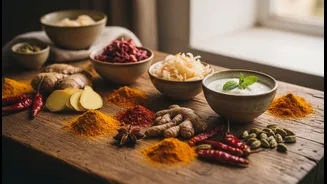
Many of us consume fermented foods without even realising it. Traditional Indian pickles (achar), when made without vinegar and allowed to ferment naturally in salt and oil, are a great source of probiotics. Just a small portion alongside a meal can aid digestion. Similarly, the beloved South Indian staples of idli and dosa are made from a batter of rice and lentils that is fermented overnight. While the heat from steaming or cooking kills the live bacteria, the fermentation process breaks down the starches and proteins, making them significantly easier to digest and gentler on the stomach during the monsoon.