




Understanding the Post-Feast Feeling
That familiar sluggishness after a big festive meal isn't just in your head. Rich, fatty, and sugary foods are harder for your body to process, often leading to indigestion, gas, and bloating. In Ayurveda, this is described as dampening the digestive
fire, or 'Agni'. When we overload our system with heavy meals and irregular eating times, our digestion slows down, making us feel tired and uncomfortable. The stress of the season can also interfere with the gut-brain connection, further disrupting your body's natural rhythm. Recognising this physical response is the first step toward finding a more comfortable way to celebrate.
Strategy 1: Mindful Indulgence, Not Deprivation
The goal isn't to avoid your favourite dishes, but to enjoy them with intention. Practising portion control by using a smaller plate is a simple but effective strategy. It allows you to sample a variety of foods without overeating. Eating slowly and chewing thoroughly gives your brain time to receive fullness signals, preventing that 'stuffed' feeling. The digestive process actually begins in the brain; taking a moment to appreciate the sight and smell of your food can stimulate the release of digestive juices. Try not to stand and graze near the food table at gatherings; instead, prepare a plate and move away to enjoy it. This shifts the focus from mindless snacking to a conscious, more satisfying experience.
Strategy 2: The Art of the Smart Swap
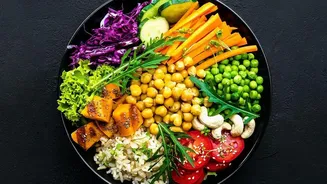
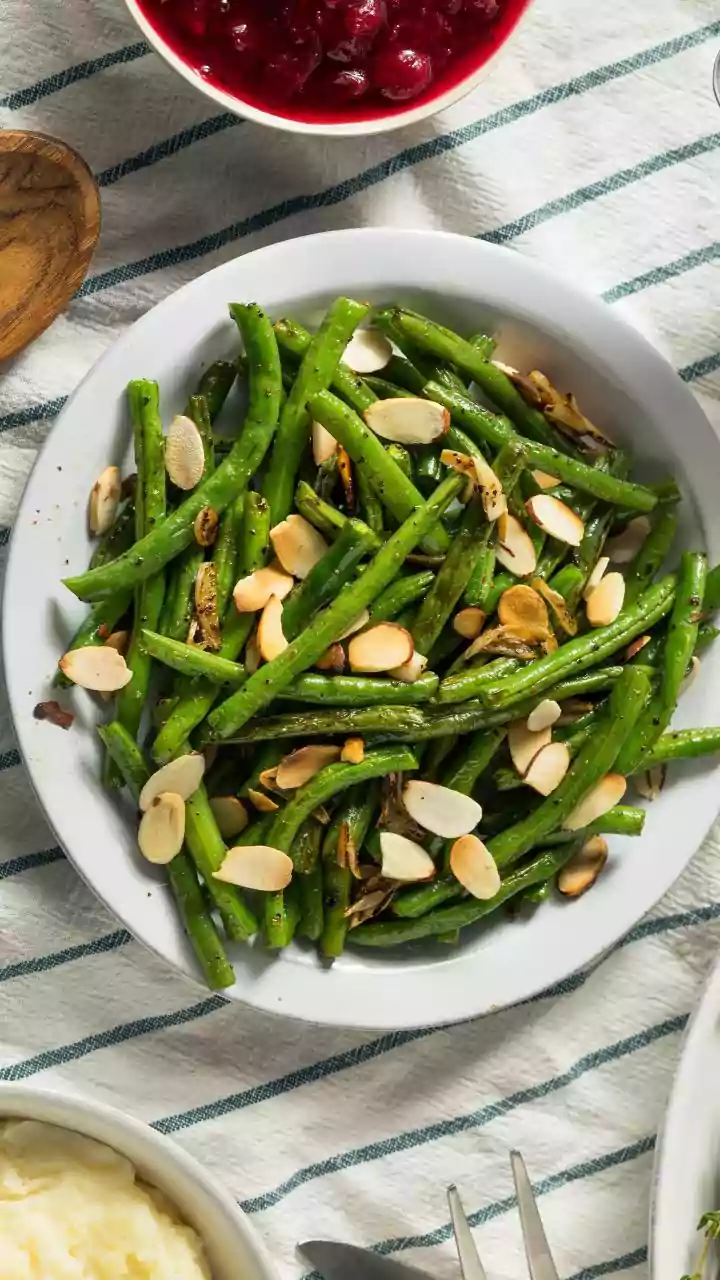
Simple modifications can make a huge difference to how you feel, without sacrificing flavour. Roasting or baking dishes instead of frying them reduces excess fat. You can substitute Greek yogurt for sour cream or mayonnaise in recipes, and use applesauce or mashed bananas in place of some butter when baking. Incorporating digestive spices like ginger, cumin, cardamom, and cinnamon into your cooking can help enhance digestion and reduce bloating. When it comes to desserts, consider fruit-based options or share a richer sweet with someone else. Even small changes, like adding more colourful roasted vegetables to your plate, boost fibre and nutrient intake, helping to balance the heavier items.
Strategy 3: Support Your System with Fluids and Fibre
What you drink is as important as what you eat. Staying hydrated with water throughout the day is crucial for efficient digestion and preventing constipation. Sometimes, our bodies mistake thirst for hunger, so sipping water can also help manage cravings. Try to drink warm water or herbal teas like ginger, peppermint, or chamomile, which can soothe the stomach. It's also wise to limit very cold drinks with meals, as they can hamper digestion. Balancing rich foods with fibre from whole grains, leafy greens, and vegetables promotes regular bowel movements and can reduce gas buildup. A balanced plate should ideally be half vegetables, a quarter protein, and a quarter carbs.
Strategy 4: Gentle Post-Meal Recovery
What you do after the meal is also part of the practical approach to festive eating. Instead of slumping on the sofa immediately, a short 10 to 15-minute walk can significantly aid digestion and ease bloating. Gentle movement helps stimulate the digestive system. If you can, avoid eating a large meal right before bed; try to eat earlier in the evening to give your body time to digest. Sipping on a warm digestive tea made with fennel, coriander, and cumin seeds can also help soothe the gut. Should you overindulge one night, it's okay to have a lighter breakfast the next day, like hot water with lemon or ginger tea, until genuine hunger returns.